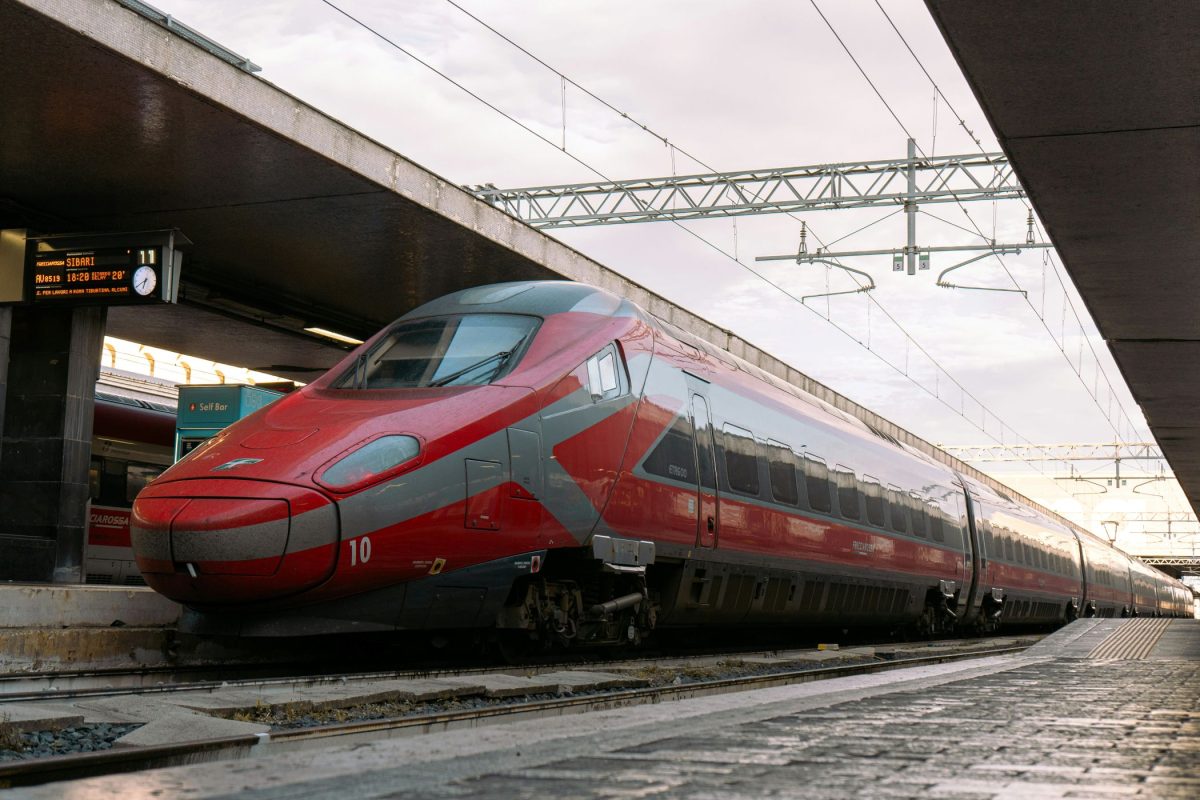
Here's something that hasn't happened in two decades: you'll soon be able to step onto a train in Oslo, sit down, and not move until you reach Berlin. No changing cars. No confusion at border crossings. Just you, a comfortable seat, and roughly 14 to 15 hours of uninterrupted European rail travel.
The Danish firm DSB, Germany's Deutsche Bahn, and Norway's Vy just announced they're making this real. Starting in 2028, passengers will have two daily departures connecting these two capitals across four countries. The route threads through Norway, Sweden, Denmark, and Germany, stopping at some genuinely interesting places along the way. Think Gothenburg's canals, Copenhagen's energy, and Hamburg's charm. You're not just getting from point A to point B. You're actually seeing Europe.
What this route looks like
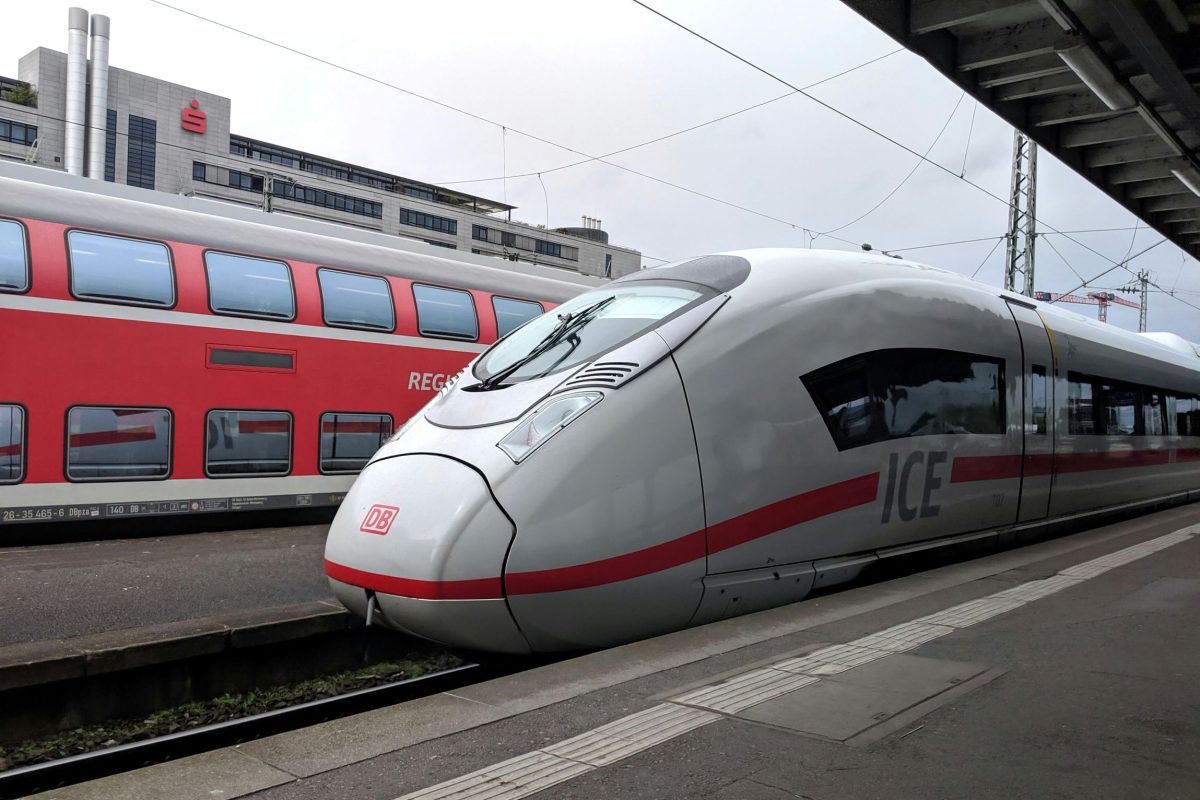
The full journey runs through Moss, Fredrikstad, Sarpsborg, Halden, Trollhättan, Gothenburg, Halmstad, Helsingborg, Lund, Malmo, Copenhagen Airport, Copenhagen Central, Odense, Kolding, Padborg, Hamburg, and finally Berlin. That's a lot of stops, but each one is strategically placed to catch major cities and regional hubs. The trains themselves are ICE L models, which means low floors for easy boarding and amenities like restaurant cars, family sections, and first-class cabins if you want to splurge.
Even better, a shorter Hamburg-to-Copenhagen route starts this coming winter (2027), so the infrastructure will be tested and refined before the full service launches. This phased approach is smart. It lets operators work out logistics while giving travelers an earlier taste of what's coming.
The infrastructure game changer
Here's the catch, and it's a good one: the current 14 to 15-hour journey will drop to just 13 hours when the Fehmarn Belt tunnel opens between Germany and Denmark. That tunnel, which should be operational by 2029 (though 2031 is more realistic), will shave off a full 90 minutes by eliminating a ferry crossing. The new route could run for up to three years at the longer duration before that happens, giving you extra time to decide whether you prefer scenic train rides or speed.
This isn't just business as usual. Gro Bakstad, CEO of Vy, called it "fantastic" and emphasized something crucial: this connection means "we will be able to connect Norway more closely to Europe, and in the long term, this could open up direct trains to more European cities." Rail operators across the continent are watching partnerships like this one. If it works, expect more direct connections spreading across Europe in the coming years.
Why train travel is suddenly winning
Michael Peterson, CEO of DB Fernverkehr, didn't mince words about why this matters right now. "If you want to experience Europe, jump on the train," he said, pointing to rising fuel costs and environmental concerns that make trains look smarter than ever. Airplanes burn serious fuel for short-haul routes. Cars sit in traffic and drain your wallet. Trains? They move hundreds of people at once with minimal emissions, and you can actually relax or work while you travel.
The timing aligns with shifting flight costs and climate awareness. As Europe grapples with sustainability, rail infrastructure investments like this one signal a genuine shift in how the continent wants to move people. Similar projects are underway across the continent, suggesting rail is finally getting the investment attention it deserves.
Why this matters for travelers
For you, the practical wins are obvious. A single ticket covers four countries. You pack light, board once, and wake up somewhere entirely new. The restaurant car means you can eat decent food instead of airport sandwiches. Family sections keep kids happy without disturbing everyone else. First-class passengers get extra space and quiet if they want it.
But the bigger picture matters too. Flemming Jensen, DSB's CEO, emphasized that "strong rail connections in Europe depend on strong partnerships between railway companies." This route proves it. When major operators stop competing on every detail and start collaborating on the infrastructure that serves everyone, travelers win. It becomes possible to dream up trips that would have been logistical nightmares five years ago.
Mark 2028 on your calendar. The Oslo-Berlin train is coming, and it's going to change how people think about moving through Northern Europe. The days of seeing the continent from 35,000 feet are fading. The future is ground level, with decent coffee and a view that doesn't disappear after two hours.