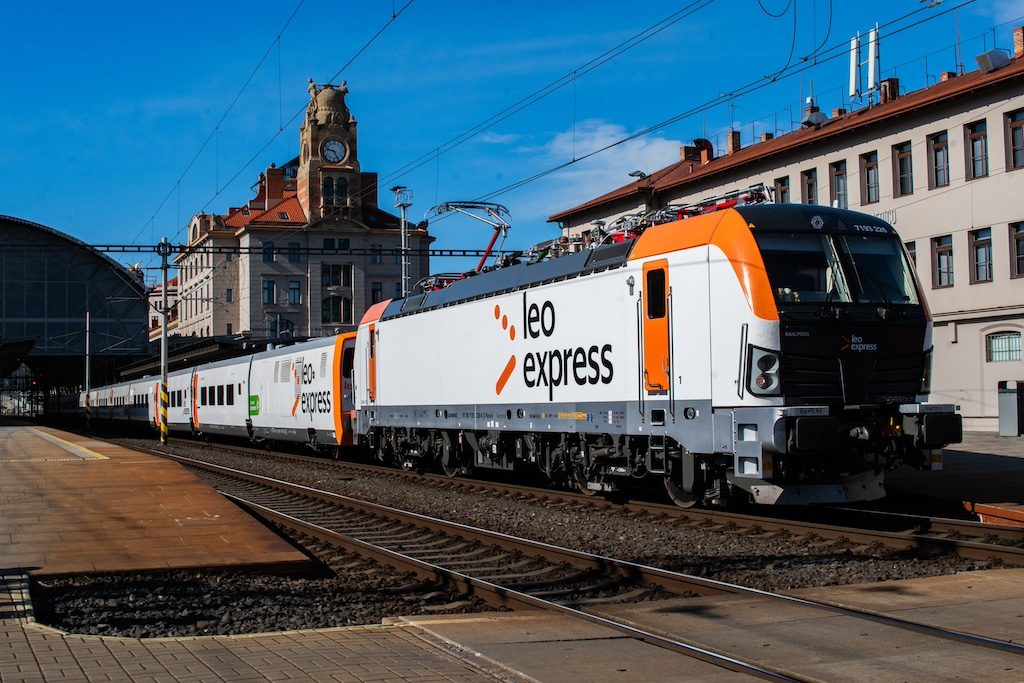
The romance of European rail travel is experiencing a genuine comeback. Starting June 25, Czech operator Leo Express will roll out a new 1,300-kilometer daily service connecting Przemyśl in Poland (near the Ukrainian border) all the way to Frankfurt am Main in Germany. The route loops through some of Europe's most compelling cities: Kraków, Prague, Dresden, and Leipzig. The full journey takes around 18 hours, and seats start at just 10 euros.
This isn't just another train route. The timing matters. Przemyśl has become a crucial gateway since Russia's invasion of Ukraine in February 2022, shuttling refugees, aid workers, and travelers constantly in and out of the country. Now, for the first time, a direct rail spine connects this vital entry point to one of Germany's major transport hubs. CEO Peter Köhler framed it bluntly: the service will "break down the symbolic rail barrier between eastern and western Europe."
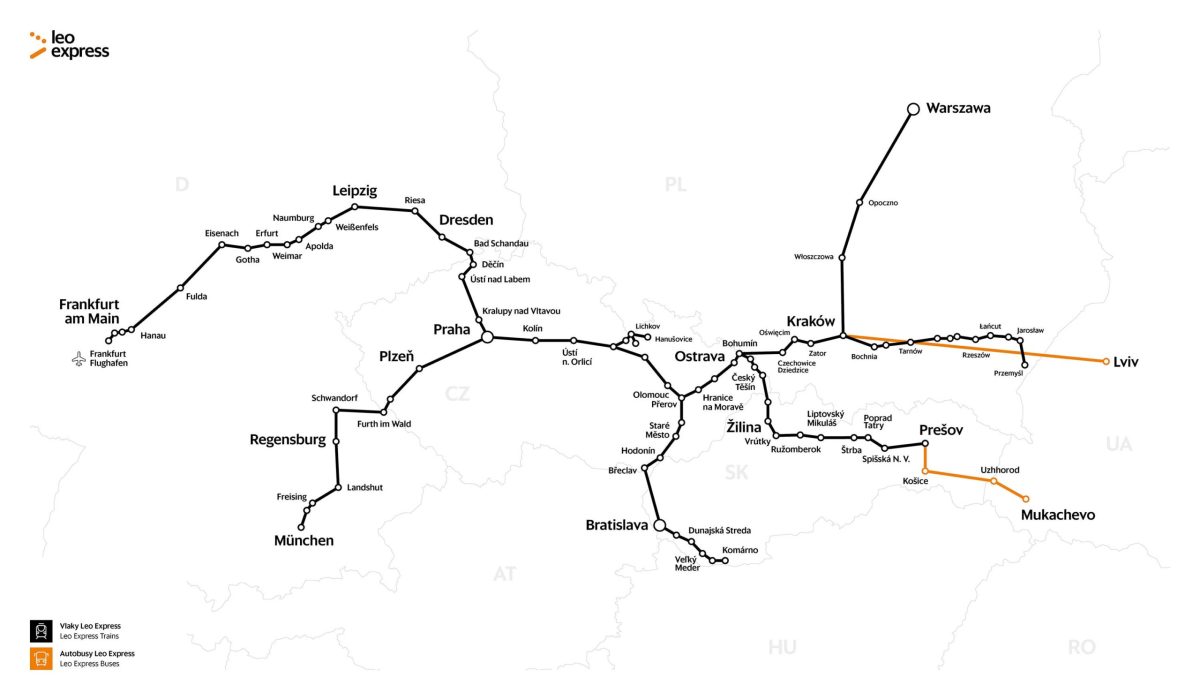
Leo Express has thought strategically about timing. The northbound train arrives in Frankfurt at 7:53 a.m., perfectly positioned for connections to European and intercontinental flights. The return service departs Frankfurt at 8:27 a.m., enabling daily round-trip travel to Prague and later arrivals back in Kraków and Przemyśl. Passengers get Wi-Fi, power outlets, refreshments, and air conditioning throughout the journey. For budget-conscious travelers, the pricing is hard to beat.
Poland's long-distance rail market is heating up. Demand has surged dramatically since the Ukraine crisis, pushing PKP Intercity, the country's public operator, to expand timetables across 14 new international destinations including Croatia, Austria, and Slovakia. Even bus operators are reshuffling their Poland networks, seeing appetite for cross-border travel. But this expansion is also creating friction. PKP Intercity recently filed a complaint with Poland's Office of Rail Transport, arguing that Leo Express's plans could damage the "economic equilibrium" of existing public contracts. Competition between operators is intensifying.
A Continent Reconnecting by Rail
This single route is part of a much broader story. Across Europe, operators are resurrecting long-distance trains that were abandoned over the past two decades when budget airlines made flying cheaper and simpler. Several new cross-border connections have already launched, and more are scheduled for 2026. Eurostar itself is eyeing expansion into Germany and Switzerland by 2030. The vision of a Europe stitched together by train is clearly gaining real momentum as both a more sustainable alternative to flying and a way to rediscover the continent beyond the usual airport corridors.
The obstacles are real, though. Europe's rail network remains frustratingly fragmented. Different signalling systems across borders, separate ticketing platforms, and conflicting national regulations turn what should be seamless journeys into logistical puzzles. The booking experience itself remains painful for many travelers, lagging far behind what you get with planes or buses. These problems aren't insurmountable, but they require European governments and operators to align standards and create genuine interoperability.
For now, Leo Express is betting that cheap fares, decent amenities, and a genuine purpose will draw passengers. The service addresses a real gap in the network, connects major cities that lack direct rail links, and arrives at precisely the moment when Europeans are reconsidering how they travel. Whether this single route can eventually inspire the deeper infrastructure fixes Europe desperately needs remains to be seen. But it's a start and a signal that the train era isn't finished yet.