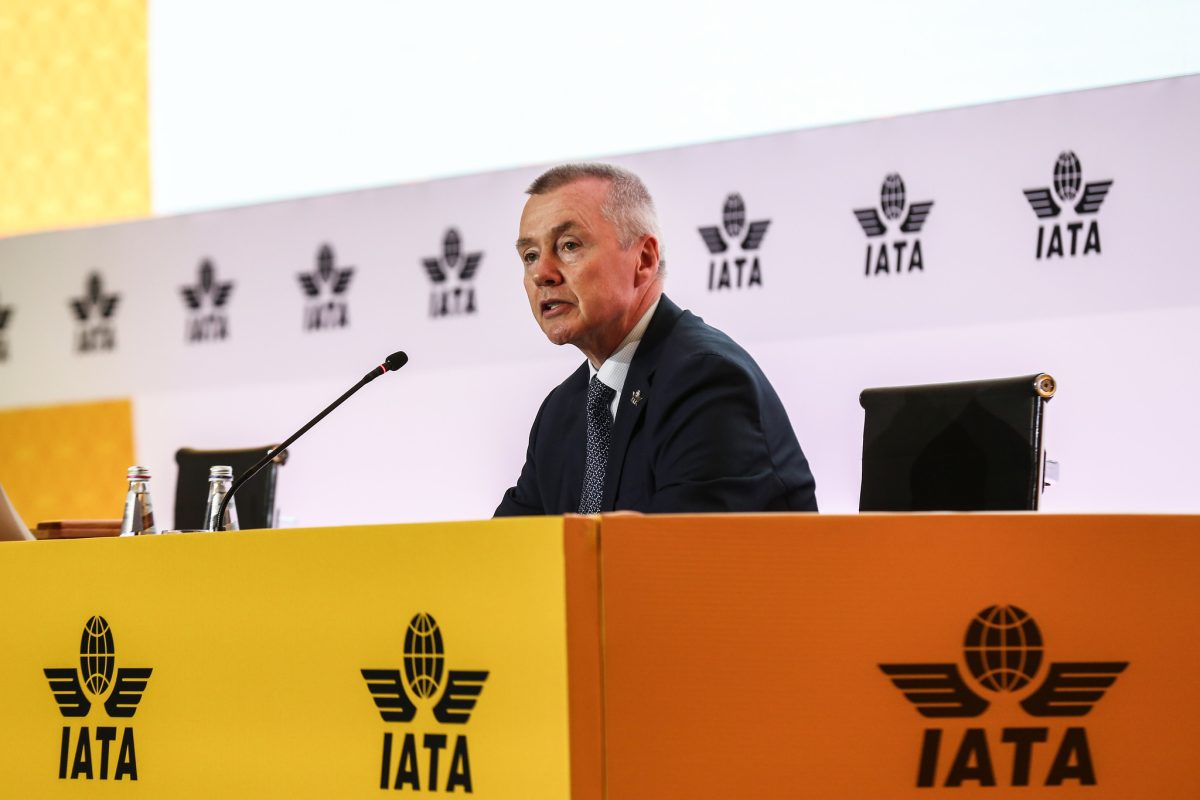
If you're booking a flight to Europe for July or August, brace yourself. Willie Walsh, boss of the International Air Transport Association (representing over 360 airlines across 120-plus countries), delivered blunt news to the BBC: ticket prices are about to climb, and there's no way around it.
The culprit is oil. Geopolitical tensions involving Iran have disrupted fuel supplies, sending prices skyward. Walsh put it plainly: "Over time it's inevitable that the high price of oil will be reflected in higher ticket prices." He's not being pessimistic. He's describing basic economics.
The Summer Crunch Nobody Asked For
Here's where it gets trickier for travelers. Summer is already when airlines burn through fuel at maximum rates. July and August typically see a 25% spike in flights and fuel demand compared to quieter months like March. Now layer a global supply squeeze on top of that baseline surge, and you've got a perfect storm.
"The major problem facing the UK is timing," Walsh explained. If alternative fuel sources don't materialize fast enough, shortages could hit precisely when demand peaks. Airlines want to avoid cancellations (the EU has made them liable for passenger compensation during disruptions), but even without outright cancellations, airlines facing summer 2026 pressures will simply make passengers pay more.
The Strait of Hormuz, a critical chokepoint for global oil shipping, remains under strain. Analysts now believe this situation could drag into 2027, far worse than initial predictions. Some officials are less alarmed. Tui's chief executive and the EU's energy commissioner have downplayed near-term fuel shortage risks, though they haven't ruled out longer-term pain.
Nations Get Creative With Fuel Solutions
Governments worldwide are scrambling to find fixes. Some countries are clearing imports of US fuel for European carriers. Others are ramping up domestic refinery output. The UK is pushing local production. But here's the uncomfortable part: many solutions run counter to climate commitments.
Indonesia, one of the world's largest coal exporters, is now hoarding its own supply instead of shipping abroad. Bangladesh has cranked up coal-fired power generation. India, which depends on coal for nearly 75% of its electricity, is running coal plants flat-out and canceling planned maintenance windows. South Korea postponed shuttering coal-fired plants scheduled to close in 2040. Vietnam is eyeing coal imports from the US and Laos. The Philippines is burning more coal under emergency measures. Japan temporarily lifted restrictions on aging, inefficient coal plants.
The shift reveals a hard truth for environmental advocates: when energy security feels threatened, climate pledges bend. Even with conflict disrupting the region, Europe's travel appetite shows no signs of cooling, which means demand for fuel (however it's sourced) remains relentless.
What This Means for Your Booking
Expect to see price tags 10 to 25% higher than last summer for transatlantic and intra-European routes. Budget carriers will pass along costs just like full-service airlines. Fuel surcharges are now transparent in pricing, so you'll see exactly what you're paying extra for, but that doesn't make the number sting less.
If you're flexible, traveling in June or September will be cheaper than peak July-August weeks. Train travel, particularly developing rail networks across the continent, offers an alternative that sidesteps fuel market volatility entirely. And yes, flying earlier or later in the year does sound less romantic than a summer escape, but your wallet will thank you.
Walsh's message is straightforward: higher fares are locked in. Airlines will absorb some costs, but passengers will carry the weight of the rest. The only real question is whether you'll adjust your travel dates to soften the blow, or pay peak pricing for peak season.