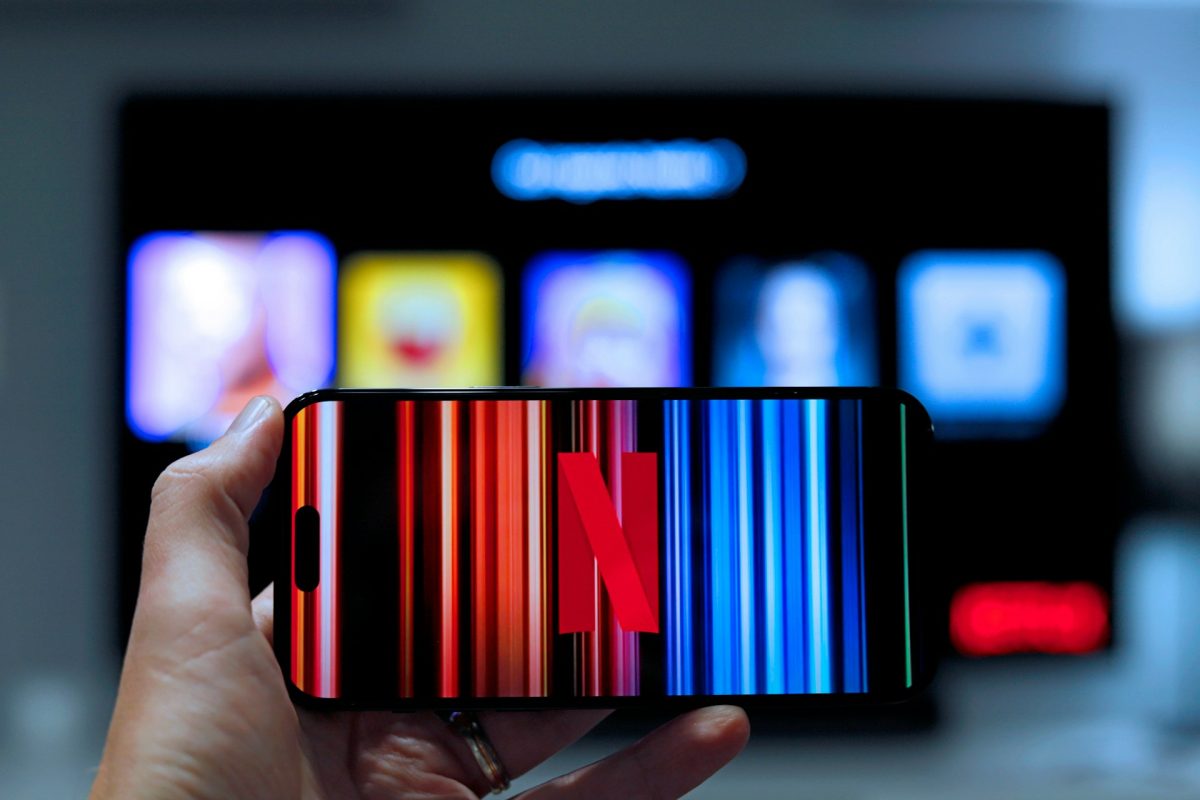
Netflix is about to feel less like a menu and more like a stream. The platform is launching a vertical video feed this year, borrowing the scroll-and-discover model from TikTok and Instagram. Instead of hunting through menus or typing search queries, you'll swipe through quick clips from films, series, and video podcasts. One tap starts the full title. Another saves it for later or shares it with friends.
This shift reflects how people actually consume content now. Passive browsing has won. YouTube proved the format works. Short-form video has eaten into the attention spans of millions, especially on mobile devices. Netflix watched this happen and realized it couldn't ignore the trend. The vertical feed compresses decision-making time and makes choosing what to watch feel less like work.
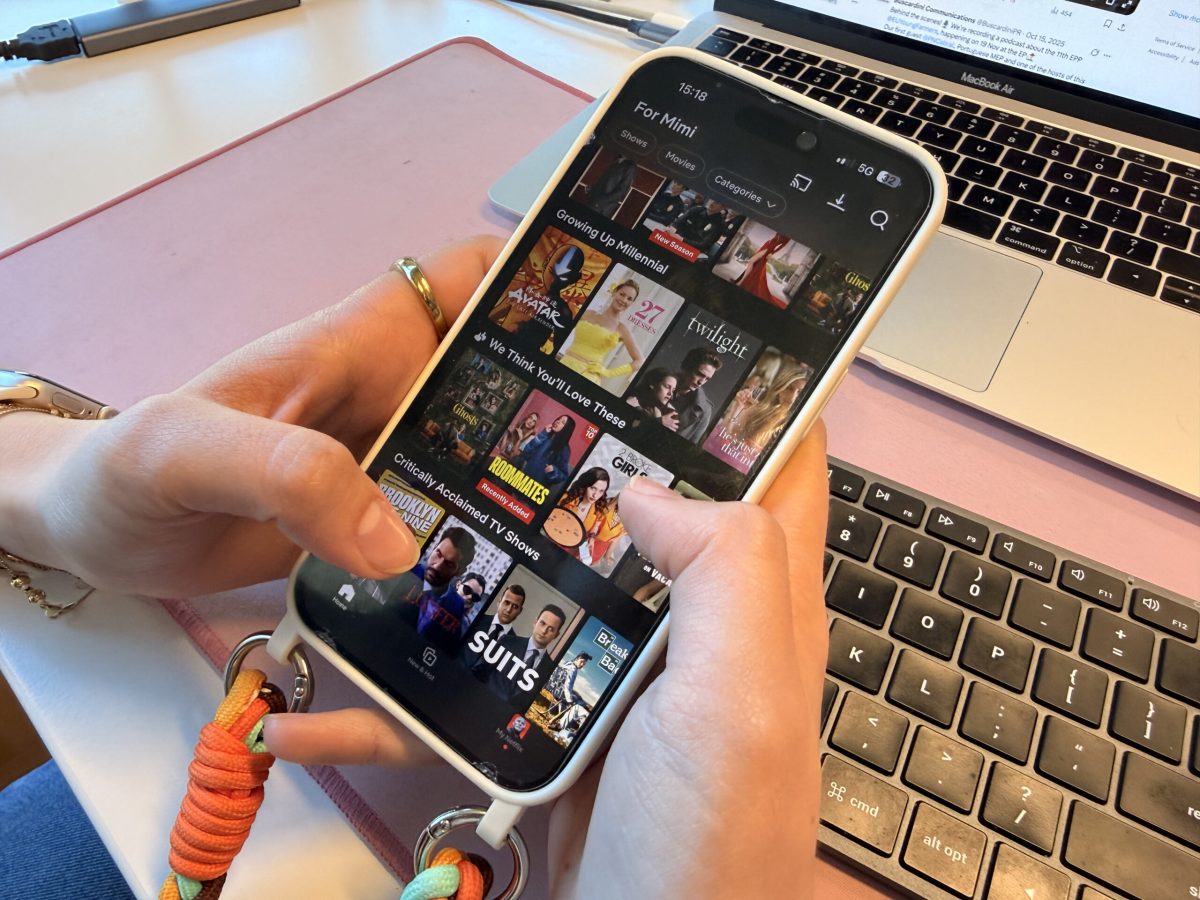
The company tested this feature quietly for over a year before expanding it widely. The logic is simple: short clips don't just entertain viewers between selections. They actually funnel people into watching full-length content. Netflix is also using the feed to promote video podcasts, a format gaining serious momentum, which means the platform is no longer just competing on films and series.
AI is the real game-changer
Beyond the interface, Netflix is overhauling its recommendation engine with newer artificial intelligence tools. The company has spent two decades perfecting recommendations, but executives believe there's still significant room to improve. Last year, Netflix rolled out an AI-powered search tool that understands natural language queries, so you can describe what you're in the mood for rather than guessing exact titles.

Gregory Peters, Netflix's co-chief executive, explained that updated AI systems don't just suggest better content. They also speed up how the platform learns what you watch. Whether you're binge-watching a thriller series or skipping through a 15-second travel clip, the algorithm notices patterns faster and adjusts recommendations accordingly.
Why travelers should care
Here's where this matters for people constantly moving. Airports, flights, commutes, hotel rooms, layovers between destinations. Travelers live on mobile screens. A quick vertical feed solves a real problem: finding something watchable in the next 20 minutes without spending 15 minutes browsing. Netflix originals have already shaped where people travel, and this discovery model could surface travel documentaries and location-based series you'd never stumble upon otherwise.
The platform becomes more flexible for people on the move. Instead of settling for whatever looks decent, travelers might actually discover hidden gems about destinations they're about to visit or reminisce about places they've been.
The streaming wars are changing shape
Netflix isn't just competing with other streaming services anymore. YouTube, TikTok, Instagram, and dozens of other platforms are competing for the same eyeballs during the same minutes. Short video culture has fundamentally altered how people behave in transit, and Netflix had to adapt or lose relevance.
The company's financial position is solid enough to take risks. Netflix reported revenue of 12.25 billion dollars in the first quarter of 2026, a jump of over 16 percent year-over-year. Profit surged to 5.28 billion dollars. With more than 300 million subscribers globally, the platform can afford to experiment with new formats and discovery methods.
The vertical feed could reshape how content gets made too. Creators might start building shorter clips specifically for mobile discovery. Marketing departments will rethink how films and series are promoted. If this approach works, rival streaming platforms won't be far behind copying it. What Netflix is building now is a hybrid model: marry the binge-ability of long-form storytelling with the addictive speed of short-form video.
Whether you're scrolling at 35,000 feet or waiting for your hotel room to be ready, the new Netflix experience is designed for people who don't have the luxury of sitting down to commit to a two-hour decision process. It's streaming that adapts to how modern travelers actually live.