Sometimes one piece of culture can shift where the entire world wants to travel. That's what happened to Seoul after Netflix's KPop Demon Hunters hit screens in June 2025. The film, which follows a K-pop girl group battling supernatural forces, became a streaming phenomenon with over 500 million views and swept the Oscars for best animated feature and best original song. A sequel is already in the works.
The numbers tell the story. In July 2025 alone, 1.36 million international travelers landed in Seoul, representing a 23.1% jump from the previous year. Global flight bookings surged 25% in the months after release, with visitors arriving from the US, Canada, China, Japan, and Australia. By year's end, South Korea had welcomed a record 18.9 million foreign tourists. This wasn't organic growth fueled by a gradual trend. This was a cultural moment colliding with destination marketing at exactly the right angle.
The appeal crosses generations and continents. Younger travelers from Australia to America, particularly Millennials and Gen Z, arrived wanting to experience K-pop culture, Korean skincare, and the real-world locations where the story unfolded. What started as fandom tourism evolved into something deeper: fans genuinely wanting to understand Korean traditions, food, and wellness practices.
Where the Movie Magic Becomes Real
The most pilgrimage-like spot is Bukchon Hanok Village, where two main characters meet in the film. It's now a pilgrimage site in its own right. Myeongdong Street, COEX K-Pop Square, Naksan Park, and N Seoul Tower round out the must-see circuit. Christine Kim, a tourist from Hawaii, described watching her daughter experience the jarring moment when fictional locations became tangible: "My daughter seemed totally shocked that the places from the movie were real. She was speechless."
The city capitalized on this momentum fast. Seongsu-dong became ground zero for pop-up experiences: multi-floor themed cafés featuring character cutouts, interactive games, glow-in-the-dark installations, and meet-and-greet opportunities. Families who might have skipped traditional cultural tourism found themselves genuinely engaged, drawn in by the film's narrative. Set-jetting, once a niche travel trend, went mainstream.
Wellness and Culture as Tourist Attractions
What's remarkable is how the film functioned as a gateway drug to authentic Korean experiences. Every major cultural element featured in the movie, from traditional hanbok clothing to jjimjilbang (Korean spas), became bookable experiences tourists actively sought out.
The data on wellness tourism is striking. Jjimjilbang bookings exploded 115% between spring and summer 2025, according to the platform Creatrip. Visitors weren't just visiting these spas; they were booking the seshin exfoliating scrub treatments, acupuncture, cupping, and herbal medicine (hanyak) remedies. These bookings jumped 409%. "Every major cultural element in the film, hanbok, jjimjilbang, gimbap, samgyetang, K-pop dance, traditional medicine, is something a tourist can book and experience in Korea," noted Haemin Yim, CEO of Creatrip.
This mirrors what we've seen in other destinations where entertainment drives tourism surges. But Seoul's advantage was that the film's cultural content aligned with actual, accessible experiences. Visitors weren't chasing fiction; they were using fiction as a map to reality.
The Sustainability Question
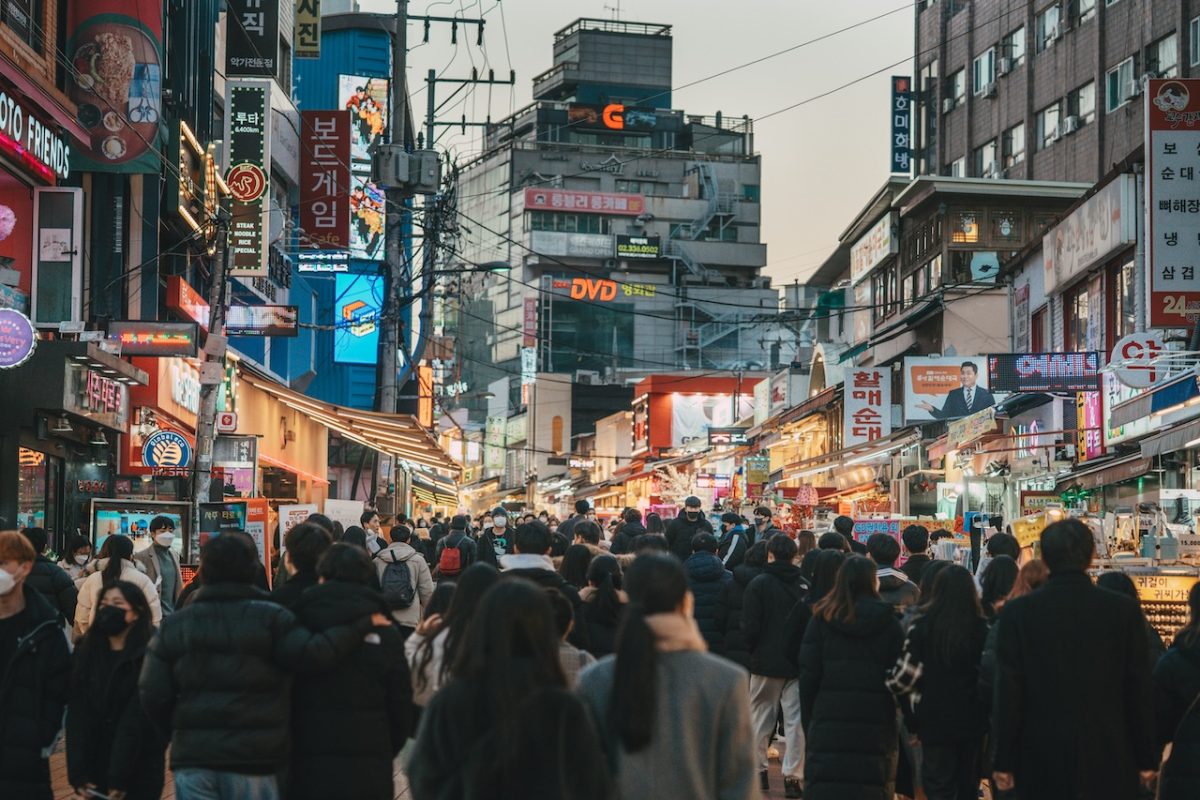
One concern with viral tourism spikes is whether they're sustainable or if they exhaust infrastructure and local goodwill. Seoul's tourism board seems aware of this risk. Rather than centralizing all visitor traffic at a few hotspots, the pop-up experiences and themed cafés encourage fans to explore neighborhoods more widely. Visitors organically discover alleys, local restaurants, and secondary attractions while hunting for movie locations.
The trend shows no signs of slowing. With Oscar wins cementing the film's cultural legitimacy and a sequel confirmed, industry analysts expect sustained interest. For travelers planning a Seoul trip, the convergence of accessible culture, Instagram-worthy locations, and genuine local traditions makes this an unusually rich moment to visit. The film opened a door; what's behind it turns out to be worth exploring.