The flight from Miami to Tampa was supposed to be routine. Then a passenger decided to play a video on her phone at full volume, no headphones. What happened next became a cautionary tale about airline rules, passenger rights, and the tension that builds fast in 30,000 feet of recycled air.
The cabin crew asked politely twice. Stop the video or plug in some headphones. Sounds reasonable, right? The passenger refused. According to witnesses, things escalated quickly. She began arguing with crew members and used offensive language during the exchange. What started as a noise complaint became a full-blown confrontation that police ultimately had to resolve.
When officers boarded the aircraft, the passenger was asked to leave before departure. As she was escorted off, she insisted the video had only played for about 30 seconds and that it wasn't even that loud. She continued arguing with both officers and other travelers as she exited the cabin. Then something unexpected happened: several passengers applauded.
Why airlines are serious about headphones now
This wasn't an isolated incident. United Airlines now kicks off loud phone watchers, and other carriers including Delta have faced similar controversies. Airlines are increasingly strict about enforcing quiet cabin policies, and they have legitimate reasons for doing so.
The rules live in your conditions of carriage, that long legal document nobody reads when booking a ticket. Hidden in there is language requiring you to follow crew instructions and behave respectfully. Break that agreement, and airlines can deny boarding, remove you mid-flight, or impose travel bans. These aren't empty threats.
From an airline's perspective, the confined space of a cabin makes noise exponentially more annoying. One person's entertainment becomes everyone's irritation. Headphones solve the problem instantly. But passengers who refuse to use them create conflict that disrupts the entire flight experience for hundreds of people.
The headphones debate gets complicated
There's another layer to this. Flight attendants sometimes ask passengers to remove headphones entirely during interactions, not just pause whatever they're watching. This happened on a Delta flight that sparked significant online debate. The crew member insisted passengers completely take off their earbuds when being served or spoken to.
Why? Safety. Crew members need to know passengers can hear emergency announcements, seatbelt warnings, and turbulence instructions. They also can't always tell if someone's earbuds will automatically pause when they start talking. So they ask for full attention during conversations. Removing headphones every time a flight attendant passes might feel inconvenient, but it's not arbitrary.
That said, the Delta incident highlighted genuine frustration. Many travelers wear headphones for entire flights to watch movies, listen to music, or catch up on podcasts. Constantly removing them during meal service or bathroom breaks feels disruptive to your own travel experience. Finding the balance between crew safety needs and passenger comfort remains tricky.
What this means for your next flight
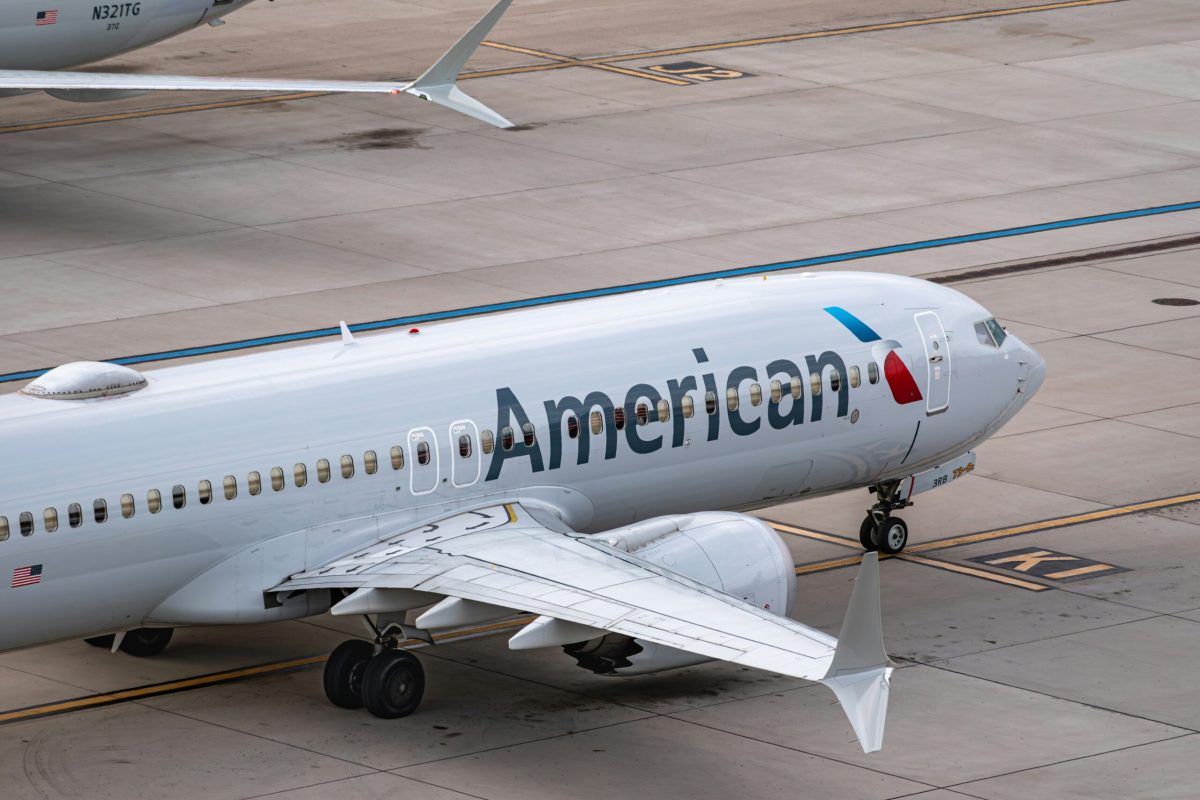
The American Airlines incident shows how quickly things can deteriorate. A simple request about headphones spiraled into a police intervention because one passenger decided to argue. That's the real lesson here. Crews aren't being unreasonable when they enforce these rules. They're trying to protect the cabin environment for everyone on board.
When booking your next flight, accept that modern air travel includes noise management policies. Use headphones when watching videos or listening to music. If a crew member asks you to remove them for a conversation, do it quickly and respectfully. These small acts of cooperation keep the cabin calm and safe for everyone else. The passenger who got escorted off learned that lesson the hard way.