There are moments in the mountains when the line between death and survival collapses to a single decision, a single breath, a single moment of refusal to quit. On June 4, 2026, Hillary Dawa Sherpa crossed that line and came back alive.
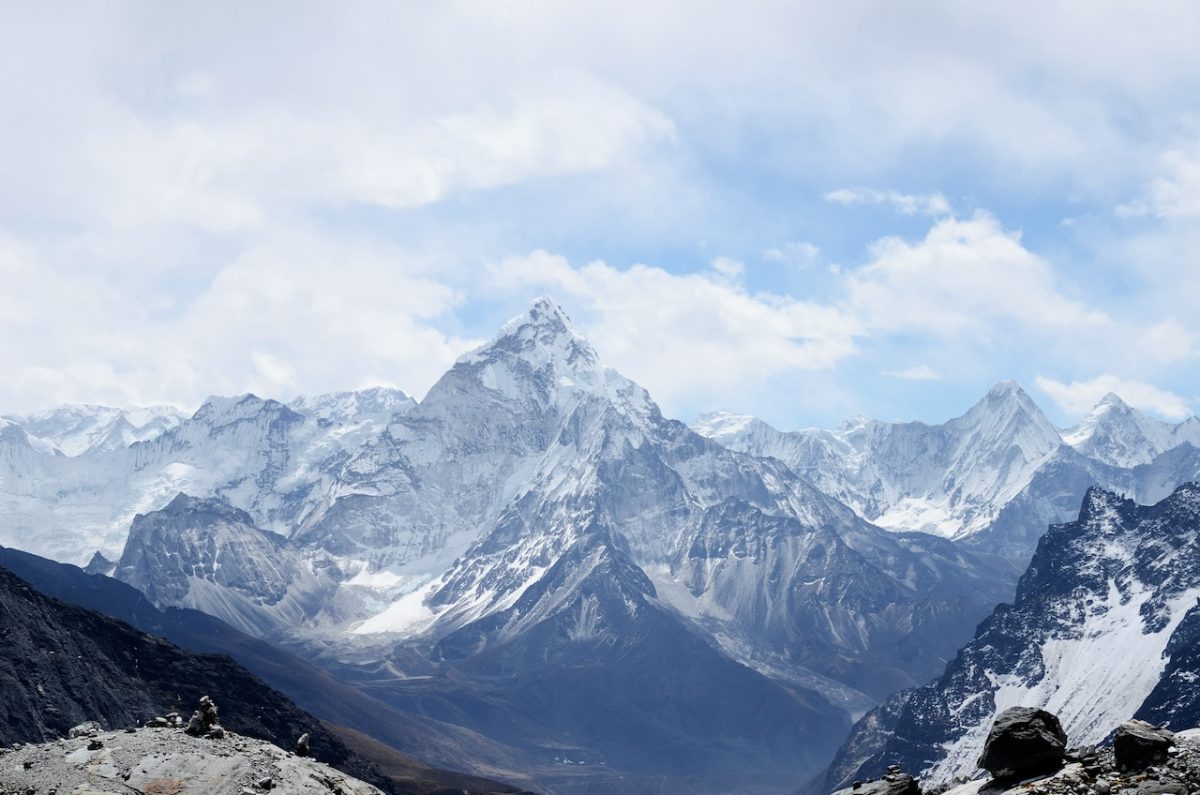
The 52-year-old Nepali guide vanished on May 29 at Camp 3, roughly 23,000 feet above sea level, during what should have been a routine expedition. His climbing party from a Kathmandu-based company noticed he was missing and made the only decision they could: complete their descent. The climbing season was ending fast. The ladders through the notoriously treacherous Khumbu Icefall had already been dismantled. Search helicopters found no trace of him. His family, out of hope, started preparing his funeral rites.
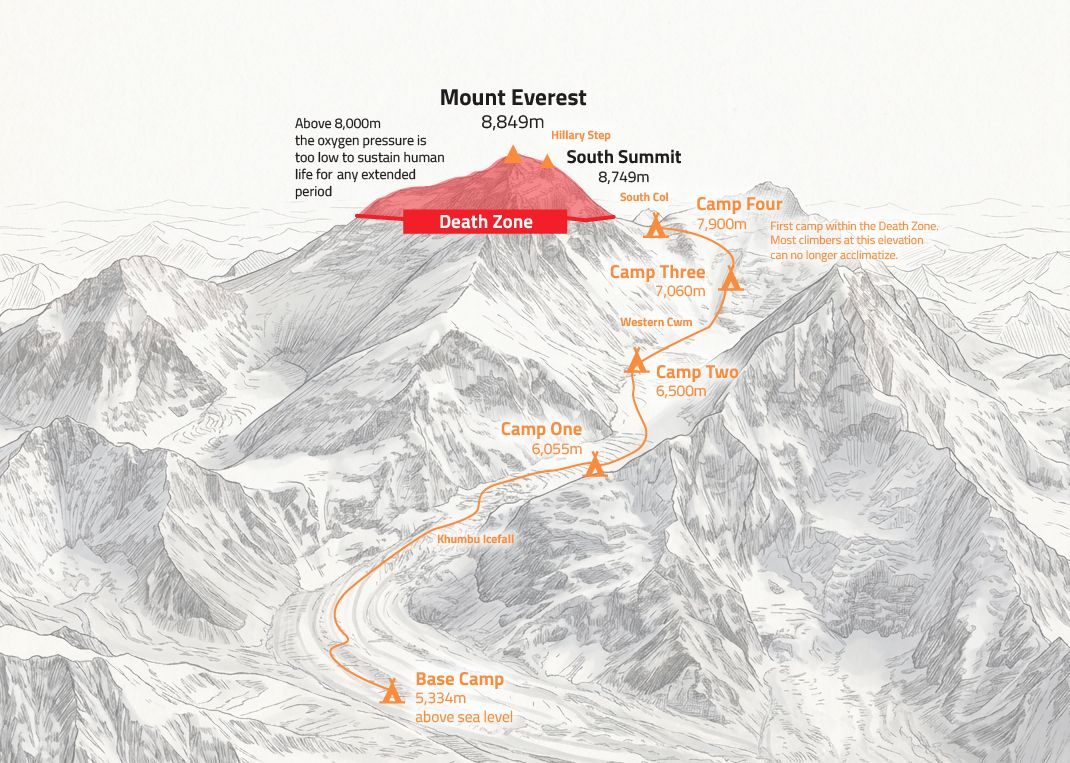
Six days later, members of the Sagarmatha Pollution Control Committee (SPCC), the team responsible for establishing and removing the mountain's routes each season, spotted a figure moving across the ice near Base Camp. It was Hillary Dawa, alone, descending through conditions that should have killed him.
In a video statement released after his rescue, Hillary Dawa explained what happened. He had fallen into a crevasse near Camp 1, around 20,000 feet, and spent two days trapped inside that icy tomb with no way out. Somehow, he freed himself. What came next was even more brutal: a descent without food, without oxygen bottles, without any real chance of reaching safety. Yet he moved. One foot down. Then another. For days.
"When we first heard about it, we could not be sure if that person was indeed our father," his daughter Mendo Lhamu told the Associated Press. "So to be certain we asked for photos to be sent and then only we were sure and very happy." The SPCC members gave him water and food, then had him carried the rest of the way down before airlifting him to a hospital in Kathmandu. He arrived with frostbite and other injuries, but alive. Conscious. Telling his story.
Other climbing guides on the mountain were quick to call it what it was. "This is nothing short of a miracle," said Ang Tshering Sherpa in an interview, "surviving so many days in the mountains facing such harsh conditions." His rescue, however, also reignited a simmering debate about how Everest actually functions as a workplace. Hillary Dawa had been abandoned because the logistics were inconvenient. Because the season was over. Because the infrastructure for rescue had already been dismantled. These decisions, made by the industry, now feel far less defensible.
His story arrived at the tail end of Everest's busiest season ever. The spring window opened on April 29, delayed by weeks due to warnings about a massive serac, a towering block of glacier ice that could collapse without warning. When climbers finally got their chance, they flooded the mountain. More than 1,000 people summited the south side. On May 20 alone, 274 climbers reached the peak. Photographs of queuing climbers in the so-called death zone went viral, forcing uncomfortable questions about whether climbing Everest in an age of climate change and overcrowding can ever really be called responsible.
Hillary Dawa's emergence from the ice presents a harder question still. Yes, he survived through luck, physical toughness, and sheer will. But he should never have been in that position. The mountain continues to extract its toll, and the systems built around it continue to fail its workers.