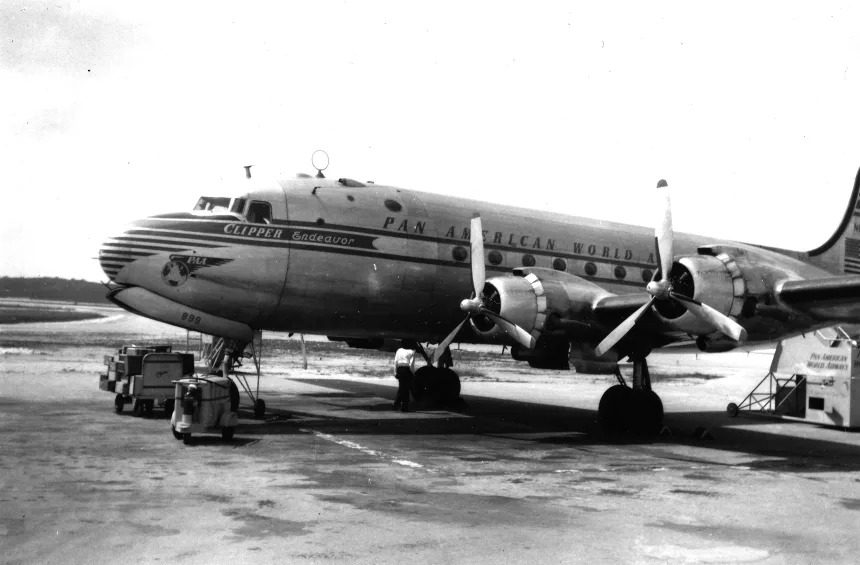
Somewhere in the deep Atlantic waters off Puerto Rico's northern coast, 2,000 feet below the surface, rests a piece of aviation history that went missing for 74 years. On June 2, explorers finally located the wreckage of the Douglas DC-4 Clipper Endeavor, a Pan American World Airways aircraft that crashed in 1952. The discovery brings closure to one of the deadliest mysteries in US commercial aviation and honors the lives of those who perished in the disaster.
The team behind this underwater archaeological feat reads like an adventure novel cast list: the Air/Sea Heritage Foundation, the deep-sea specialists at Deep Sea Vision, and the explorers from Discovery Channel's Expedition Unknown. They didn't stumble upon the wreck by accident. Years of archival detective work, historical research, and countless underwater surveys preceded the moment a sonar-equipped autonomous vehicle finally spotted the scattered remains on the seabed.
What Happened That April Morning
April 11, 1952 should have been a routine flight. Pan Am Flight 526A was bound for New York from San Juan with 69 passengers and crew aboard. Minutes after takeoff, something went catastrophically wrong. Both engines on the right side of the aircraft failed simultaneously. The pilots made the split-second decision to attempt a controlled water landing in the Atlantic, a maneuver that required nerves of steel and flawless execution.
At first, it seemed they might pull off the impossible. All 69 people survived the impact. But as the Clipper Endeavor sank into the ocean within minutes, chaos erupted. When the rescue operation concluded, only 17 souls had been pulled from the water. Fifty-two people were lost, including 39 whose bodies were never recovered. The ocean had claimed them completely.
A Tragedy That Changed Everything
What made this disaster particularly devastating wasn't just the death toll. Investigations revealed systemic failures in passenger safety protocols that seem almost unthinkable today. Pre-flight safety briefings didn't exist. Passengers had little idea how to use flotation equipment. Confusion and panic during the evacuation contributed directly to the loss of life.
But from this tragedy emerged lasting change. The Clipper Endeavor accident became the catalyst for sweeping aviation reforms. Mandatory safety demonstrations before every flight became law. Emergency equipment was redesigned and improved. Every time you board a plane today and listen to the safety spiel (even if you're tuning it out), you're benefiting from lessons learned by those 52 passengers and crew members who didn't make it home that day.
The Search That Took Decades
Russ Matthews, president of the Air/Sea Heritage Foundation, became obsessed with solving this mystery in 2019 after learning a remarkable detail: a luggage tag from the flight had washed ashore in Florida. That single artifact sparked an investigation that would consume the next five years. Matthews assembled a team of researchers, historians, and underwater exploration specialists who combed through archives, studied crash reports, and analyzed old nautical maps.
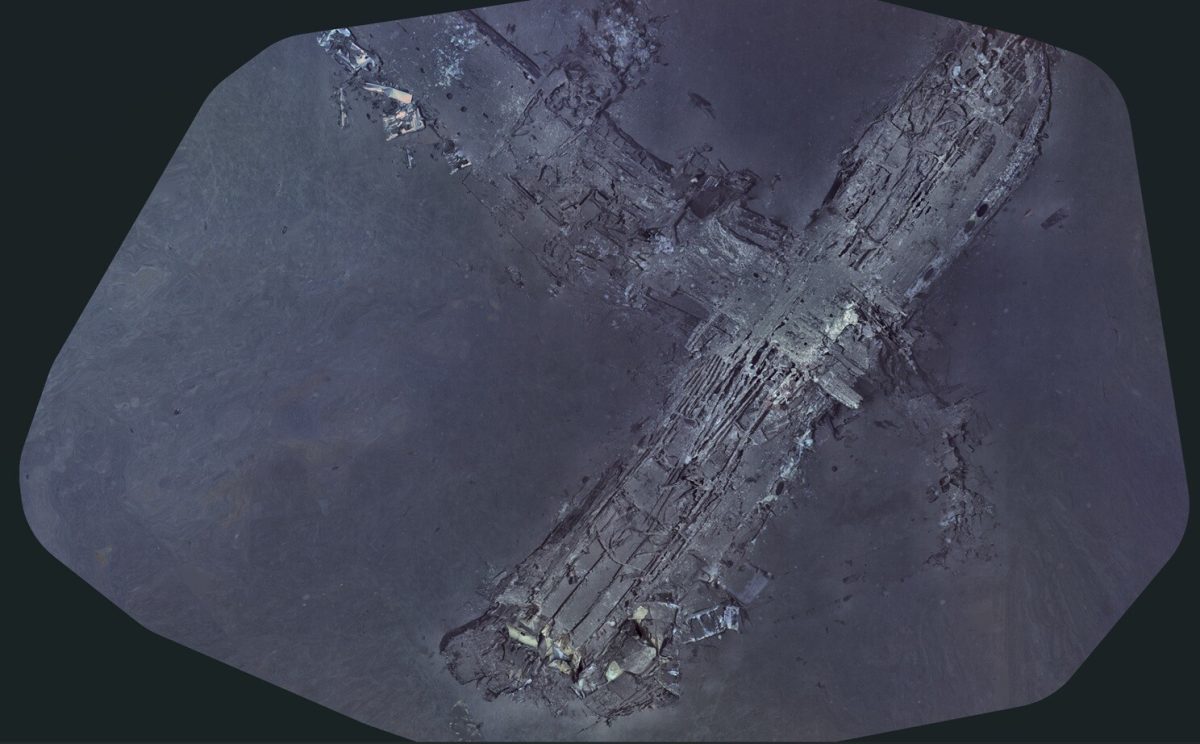
The breakthrough came from technology that didn't exist in 1952. Deep Sea Vision deployed an autonomous underwater vehicle equipped with advanced sonar imaging. The data painted a clear picture on the seabed: the aircraft had split into two sections, its landing gear and engines scattered across the ocean floor. And remarkably, the distinctive Pan Am logo remained visible after seven decades underwater, a ghostly reminder of the airline's golden age.
"We are all stunned and elated by this discovery, yet also humbled to remember what happened in that place so long ago," Matthews said upon the discovery. Josh Gates, host of Expedition Unknown, added perspective that speaks to travelers today: "Every time you step onboard an airplane, you are safer because of what happened to Clipper Endeavor and her passengers three-quarters of a century ago."
The full story of the Clipper Endeavor's rediscovery will premiere in an upcoming episode of Expedition Unknown this autumn. For anyone fascinated by maritime mysteries, aviation history, or the human stories behind the technology that moves us around the world, this discovery closes one of the longest and most compelling searches for a missing aircraft in American waters. The wreck may have rested in darkness for decades, but its legacy has been illuminating the path to safer skies ever since.