Picture this: you land at Almaty airport after a long flight. Instead of sitting in traffic for two hours, you walk to a nearby vertiport, book an electric air taxi on your phone, and are soaring over the city within minutes. This isn't science fiction. Kazakhstan is building it right now, and ambitious officials say passenger flights could start as early as 2027.
The country just crossed a major milestone. On May 19, engineers successfully completed the first-ever eVTOL (electric vertical takeoff and landing) demonstration flight in Central Asia, operating a 2-ton electric aircraft from Almaty's newly built vertiport in the Alatau district. This wasn't a prototype tethered to a launch pad. It was a proper test flight, and it worked.
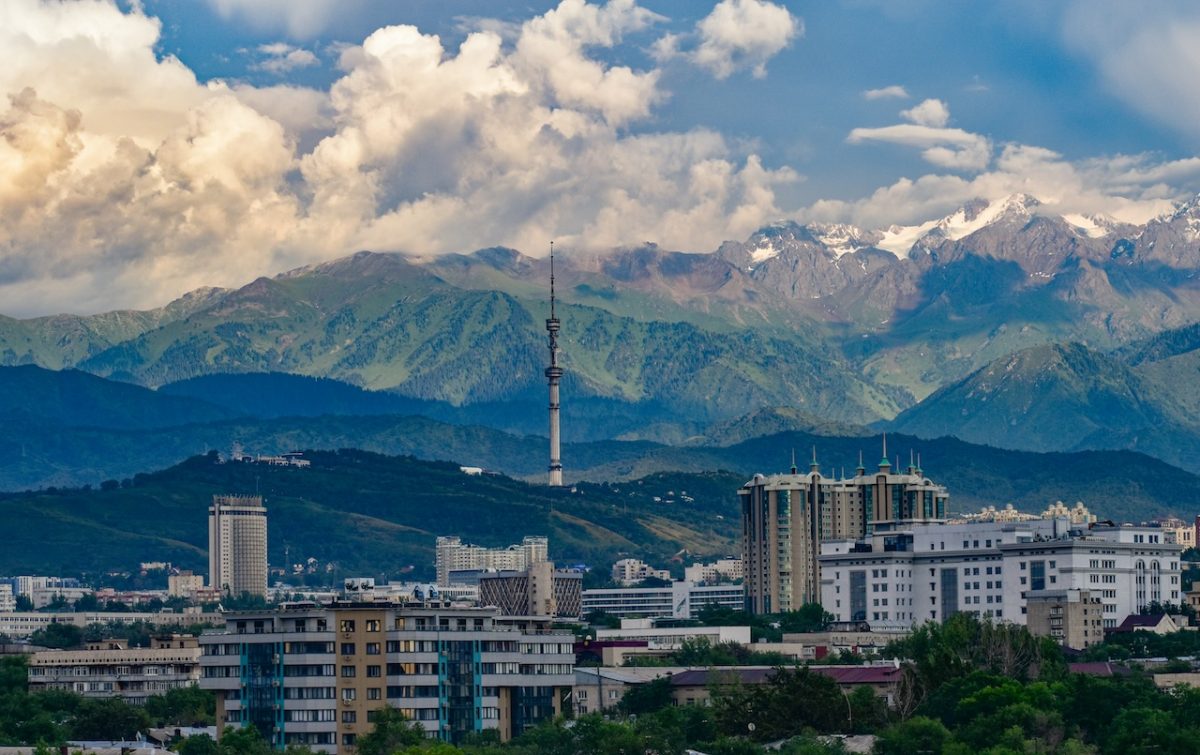
Deputy Prime Minister Kanat Bozumbayev sketched out the vision during a recent press conference: passengers arriving at Almaty International Airport would bypass gridlocked streets entirely. Instead, they'd head to one of several planned vertiports stationed strategically around the city and book a flight in advance. The speed gain is staggering. That dreaded two-hour airport crawl could become a smooth 15-minute flight over traffic.
The Real Cost to Ride the Sky
Here's what matters to travelers: price. Early estimates suggest flights would cost approximately $1 per kilometer. A typical 15-kilometer journey from the airport to central Almaty would run about $15. That's comparable to a taxi ride without the gridlock, and significantly faster than struggling through congested streets.
The timeline is aggressive but not reckless. Officials plan to spend 2026 on rigorous testing and safety verification. This year will focus on mapping safe flight corridors, studying wind patterns throughout the four seasons, analyzing terrain, and identifying hazards like high-voltage power lines and aeromagnetic zones. The government is taking a serious approach here, not cutting corners.
Proposed routes connect major travel hubs: Almaty International Airport, railway stations, the emerging Alatau City development, the city of Konayev, and the Kapshagai Reservoir area. That last route opens intriguing possibilities for tourism. As Kazakhstan accelerates its wilderness tourism development, air taxis could fundamentally reshape how visitors access mountain resorts and outdoor destinations across southeastern Kazakhstan.
Who's Paying for This
Here's the pragmatic part: the government is counting on private investment, not state coffers. Chinese and American specialists are collaborating on the project, tapping expertise from the two countries leading the global air taxi race. This isn't Kazakhstan going it alone. It's Kazakhstan plugging into established supply chains and technical know-how.
Beyond passengers, planners see cargo and last-mile delivery potential. Imagine urgent packages arriving across the city in minutes instead of hours. The technology could reshape regional logistics entirely.
Kazakhstan isn't alone in this bet. Cities worldwide are exploring urban air mobility as an escape from gridlock and a path toward cleaner transport. Just as Vietnam launches high-speed rail connections to tourism hotspots, Kazakhstan is building a different kind of rapid transit. Both represent the same impulse: make travel faster and less painful for both locals and visitors.
For travelers, the implications are significant. Transfer times between airports and city centers could drop from hours to minutes. Access to mountain tourism clusters and emerging developments could improve dramatically. The hassle of Almaty arrivals might soon feel quaint, something you tell people about, the way pilots once told stories about how long flights actually took.