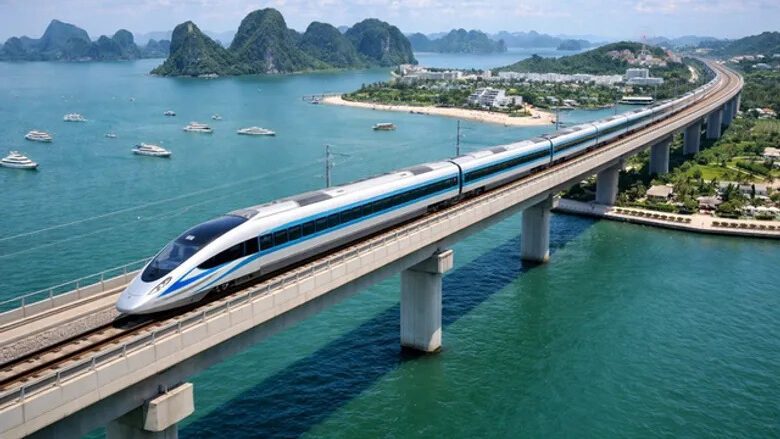
Picture this: you wake up in Hanoi, sip coffee watching the city wake up, board a sleek high-speed train, and by mid-morning you're kayaking through Halong Bay's emerald waters. Sounds impossible? Welcome to 2028, when Vietnam's new electrified rail line makes this day trip entirely real.
The 120-kilometer line will connect Hanoi straight to Quang Ninh province, home to the UNESCO World Heritage Site Halong Bay. Trains will hit speeds of 350 kilometers per hour (217 mph), cutting what is currently a grueling three-hour road journey down to just 30 minutes. For anyone who's endured that drive through traffic and winding mountain passes, this feels almost magical.
The project isn't just about convenience. Vietnam's national strategy positions this rail as a critical economic bridge. The line will thread through Bac Ninh and Hai Phong on its way to the coast, connecting four provinces and supporting five stations. More significantly, Quang Ninh sits just across the border from China's Guangxi Zhuang region, making this rail a logistics lifeline that could reshape trade patterns across Southeast Asia and beyond. Vietnamese officials view it as a gateway to broader Asia-Europe supply chains.
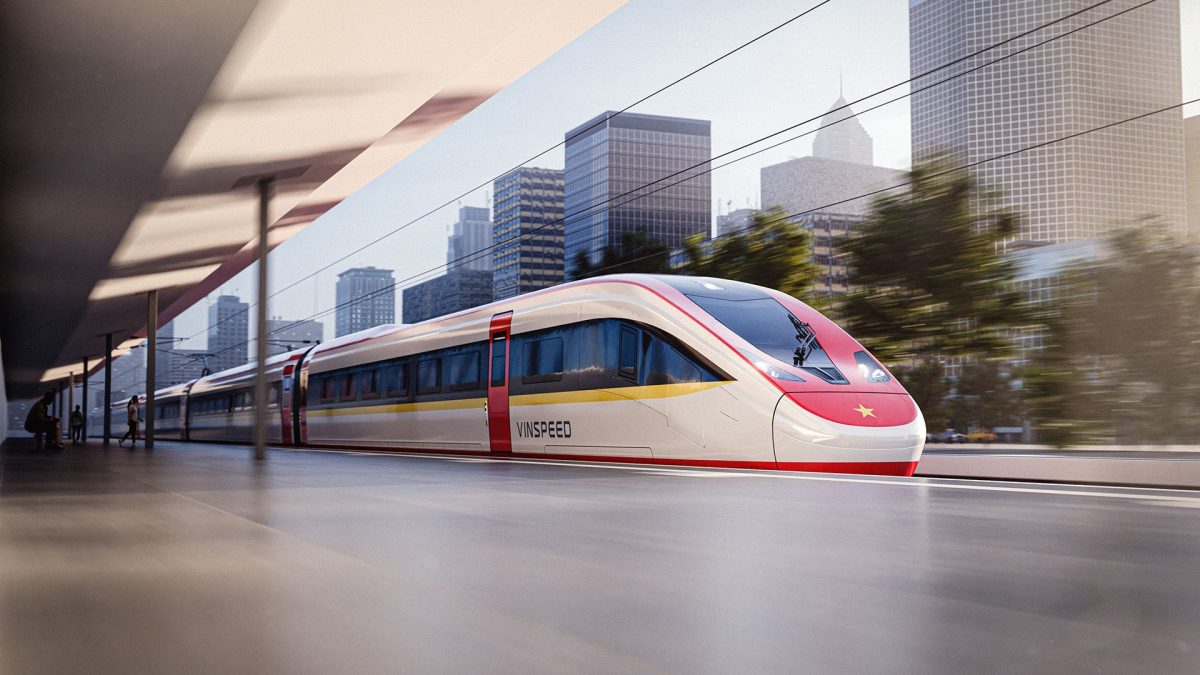
Vingroup's VinSpeed is driving construction, with German engineering firm Siemens handling the trains and technology. When operations begin in 2028, this becomes Vietnam's second high-speed corridor after the North-South line connecting Hanoi and Ho Chi Minh City (expected by 2035). Both projects reflect a global push toward faster rail networks. Like Dubai's 50-minute link to Abu Dhabi and Europe's ongoing network expansion, nations are betting that speed equals economic dynamism.
For travelers, the implications are massive. Getting from the capital to Halong Bay no longer requires a full day commitment. You can explore Hanoi's museums, temples, and Old Quarter in the morning, hop the train, and dive into boat cruises or cave exploration by afternoon. That flexibility alone could reshape how visitors plan their Vietnam itineraries, particularly appealing to business travelers juggling tight schedules and leisure travelers wanting more bang for their buck.
Vietnam isn't resting on rail infrastructure alone. The government recently rolled out a 10-year golden visa program targeting international residents, investors, and professionals. Visa applications went mostly online, and exemptions expanded to include Belgium, France, Germany, and other European nations. The National Authority of Tourism is betting on 23 million foreign arrivals by year-end 2025, banking on easier entry and improved transportation networks to deliver.
Sustainability plays a quiet but important role here. By shifting travelers from road transport and flights onto rails, Vietnam reduces carbon emissions while easing congestion on increasingly crowded highways. The line supports the country's broader environmental commitments while delivering the practical benefit of faster travel. It's proof that green infrastructure and tourist convenience don't have to compete.
Construction kicks off in 2027, with the first trains rolling in 2028. For travelers planning ahead, this means the Hanoi-Halong combination just moved from a long day trip into something genuinely manageable. Pair it with the visa reforms and expanded international access, and Vietnam's positioning itself as a destination that takes visitor experience seriously. Whether you're chasing limestone karsts, street food, cultural immersion, or all three, the infrastructure is getting faster and friendlier to actually get there.