Something unexpected is happening in Central Asia. While travelers across Europe fret about geopolitical tensions and seek refuge in stable destinations, Kazakhstan is quietly becoming one of the continent's hottest travel discoveries. And the government is moving fast to capitalize on the moment.
The numbers tell the story. In 2024 alone, Kazakhstan's 14 national parks drew 2.8 million visitors, a jump of 18 percent from the year before. That's not a trickle anymore. It's a tidal wave. And officials have noticed. The response? A sweeping announcement to nearly triple the country's protected land area, adding 20,000 square kilometers of new reserves by 2035. To put that in perspective, the total protected area will rival the size of Finland.
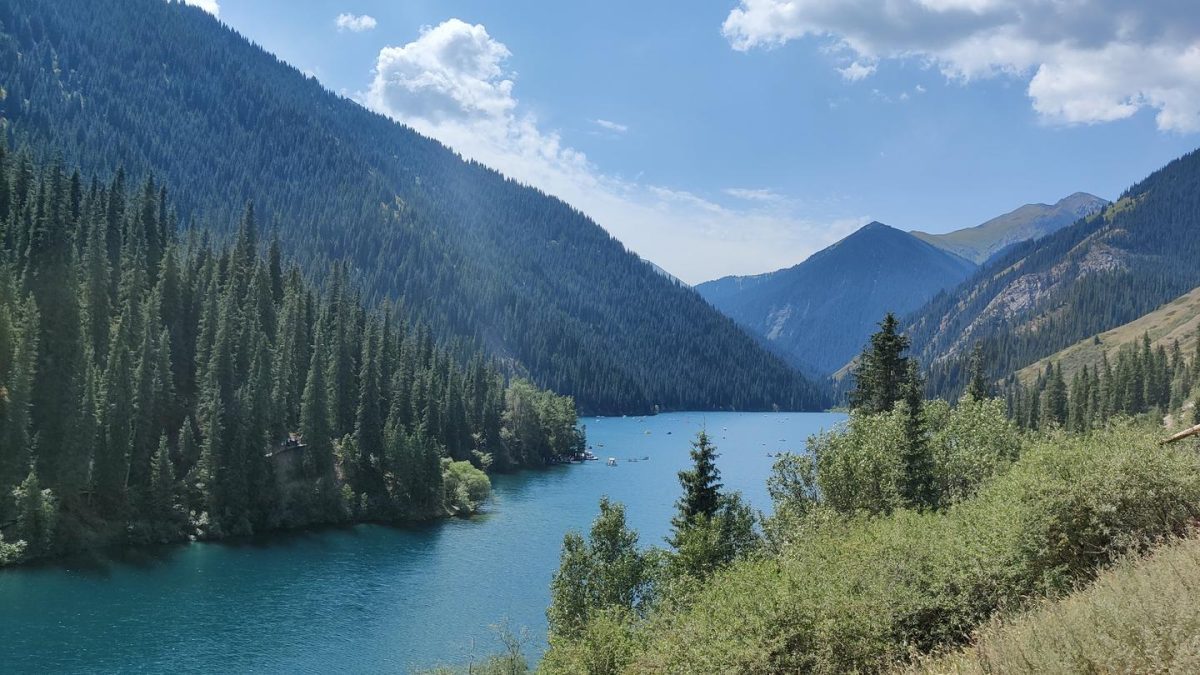
The official framework, developed by Kazakhstan's Ministry of Ecology and Natural Resources with support from UNDP and the Global Environment Facility, targets the conservation of 8,000 square kilometers of forests alongside the preservation of the Aral Karakum desert's shifting dunes and the snow leopard-populated peaks of the Tian Shan mountains. It's conservation on a scale that matches the ambition of the country's tourism goals.
Why Europe is suddenly looking east
Here's what's really driving this boom. Conflicts simmering in the Middle East have thrown a wrench into traditional tourism flows. The World Travel and Tourism Council estimates the region's instability is costing the global travel industry roughly $600 million per day. Travelers who once booked Gulf vacations are now searching for alternatives. Enter Kazakhstan.
Data from Turkish Airlines shows Brussels-to-Kazakhstan flights have surged. The timing is no accident. European travelers want safety, natural beauty, and something different from the usual circuit. Kazakhstan offers all three. The country sits at the crossroads of Europe and Asia, making it accessible to Europeans while also positioning it to capture spillover from traditional Chinese and Turkish source markets.
Removing friction for travelers
Smart travel policy isn't just about parks. It's about removing barriers. Kazakhstan understands this. The government recently scrapped visa requirements for all EU citizens for stays up to 30 days, a gesture that says "we want you here" louder than any marketing campaign. For digital nomads, there's a new "neo nomad visa" allowing workers from 48 countries to base themselves in Kazakhstan for an entire year.
The infrastructure push backs this up. New airports are under construction near three resort areas: Zaisan, Katon-Karagai, and Kendirly. Once complete, they'll connect directly to Almaty and Astana, eliminating the hassle of long ground transfers. When you're trying to attract leisure travelers accustomed to convenience, cutting friction at every stage matters.
The economics of conservation
This isn't altruism wrapped in environmental language. It's smart economics. Kazakhstan wants 10 million visitors by 2029, and the government knows that high-spending tourists are drawn to places that offer wildlife spotting, hiking, birdwatching, and cultural experiences. A traveler who comes for snow leopards also wants local food, guide services, and accommodation.
By expanding protected areas and promoting biodiversity, Kazakhstan is building credentials in the lucrative "nature tourism" niche. These aren't backpackers on $20-per-day budgets. They're affluent travelers willing to spend on experiences that feel authentic and meaningful. The expansion of national parks positions Kazakhstan as a serious contender in this market.
Timing and momentum
What makes this moment special is convergence. Geopolitical shifts are pushing Europeans toward new destinations. Kazakhstan is building infrastructure to receive them. The government is protecting the very landscapes that make the country magnetic. And the EU has made travel there friction-free. It's a rare alignment of policy and circumstance.
The next few years will reveal whether this momentum sticks. Middle Eastern tourism could stabilize, drawing travelers back to familiar routes. Or Kazakhstan's combination of accessibility, natural wonders, and genuine safety could cement its position as Europe's go-to adventure destination in Asia. Either way, one thing's certain: the wilderness areas being protected now will determine what travelers actually find when they arrive. The government is betting that preserving the snow leopards, the desert, and the mountains will prove worth far more than extracting their resources ever could.
For curious travelers, this is exactly the kind of moment that opens doors. Before the crowds figure out what Kazakhstan has to offer, there's still space to find something real.