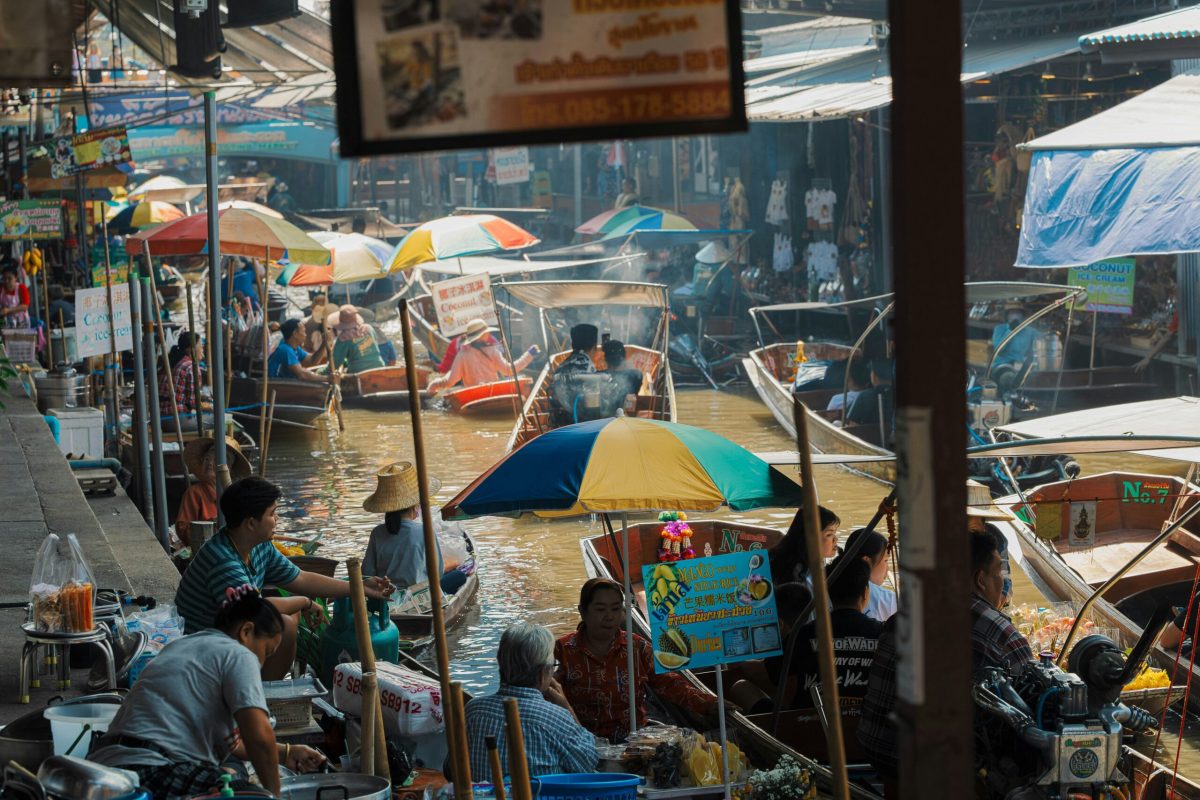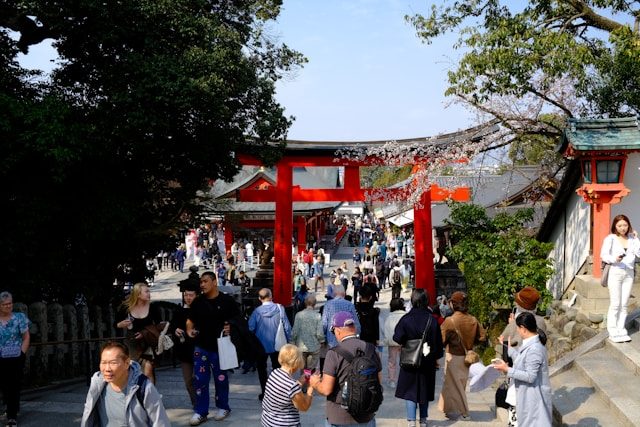
Starting 1 July 2026, Japan is making it noticeably pricier to visit and leave the country. The government has tripled its departure tax while simultaneously hiking visa fees to levels not seen in five decades. If you're planning a trip to Japan, the timing and cost structure of your visit just became a real planning consideration.
The departure tax gets serious
Since 2019, Japan has collected what locals call the Sayonara Tax from everyone departing by air or sea. At 1,000 yen (around €5.40), it was barely noticeable. Most travelers never even realized they were paying it because airlines and cruise operators quietly included it in ticket prices. Over a year, this modest levy generated roughly 50 billion yen (€269 million) in revenue.
That's changing fast. From July onwards, the departure tax triples to 3,000 yen (€16.10). While that still won't break the bank, it signals Japan's shift toward using tourism fees as a serious funding mechanism. The new system is expected to pull in around 120 billion yen (€648 million) annually. The government plans to funnel this money into managing overtourism, promoting lesser-known regions, expanding accommodation, and upgrading infrastructure nationwide.
There's a loophole worth knowing: the new rate applies only to tickets purchased from 1 July 2026 onward. If you've already booked your flight, you're grandfathered in at the old price. Children under two, transit passengers staying less than 24 hours, airline crew, and certain diplomats are exempt entirely.
Visa costs are jumping like never before
The bigger shock for most visitors lies in visa fees. Japan is raising them for the first time in 50 years, and the increases are steep. Single-entry visas are climbing from 3,000 yen (€16) to 15,000 yen (€80). Multi-entry visas jump from 6,000 yen (€32) to 30,000 yen (€160). These changes hit citizens of countries without visa-waiver agreements with Japan, which means travelers from much of the world will face significantly higher entry costs.
If you're a resident applying for a 10-year passport online, there's one silver lining: Japan dropped passport fees from 15,900 yen (€85) to 8,900 yen (€48). It's a small win in an otherwise expensive season of change.
Cities are piling on their own charges
National fees are just part of the story. Local authorities are introducing their own tourism taxes to manage crowding. Kyoto raised hotel taxes in March 2026, and the jump is dramatic. Hotels charging over 100,000 yen per night can now impose up to 10,000 yen (€53.90) per person per night in taxes, up from a previous cap of 1,000 yen. Similar battles over overtourism are playing out globally, but Japan's approach is more direct: make tourism pricier to manage demand.
Why the sudden price hikes
Numbers tell the story. In 2025, Japan welcomed 42.4 million international visitors. The government is gunning for 60 million annual arrivals by 2030. That's ambitious. The problem is that iconic destinations like Mount Fuji and Kyoto are already struggling. Local infrastructure, accommodation capacity, and services aren't keeping pace with the volume. Congestion on hiking trails, packed temples, and overbooked hotels have become genuine issues for travelers trying to experience Japan authentically.
By raising costs, Japan is attempting a dual strategy: generate funds to upgrade infrastructure and reduce visitor numbers through pricing. Venice has experimented with similar tourist taxes, and Greece has successfully managed tourism growth by investing in dispersed destinations.
What this means for your trip
If you're thinking about Japan, the calculus has shifted. Budget travelers should factor in these new costs, especially if you need a visa. Consider looking at alternative experiences in lesser-visited regions, which is exactly where the new revenue is supposed to flow. You'll avoid crowds, spend less on accommodation, and help spread tourism benefits beyond the usual suspects.
Japan remains worth the trip, but start planning now if you're considering a visit. Book flights before July 1st if you can, and think carefully about visa timing if you need one. The window for cheaper travel to Japan is closing, and it won't reopen anytime soon.