Brussels is gearing up for a serious conversation about the future of travel. On 9 and 10 November 2026, the Royal Museums of Fine Arts of Belgium will host the Global Tourism Forum Annual Meeting, and the guest list reads like a who's who of global tourism. More than 2,000 delegates from over 50 countries are expected, and they're not coming to swap postcards. The theme is Investment and Security, and the agenda is packed with hard questions about how destinations fund their dreams and keep travelers feeling safe.
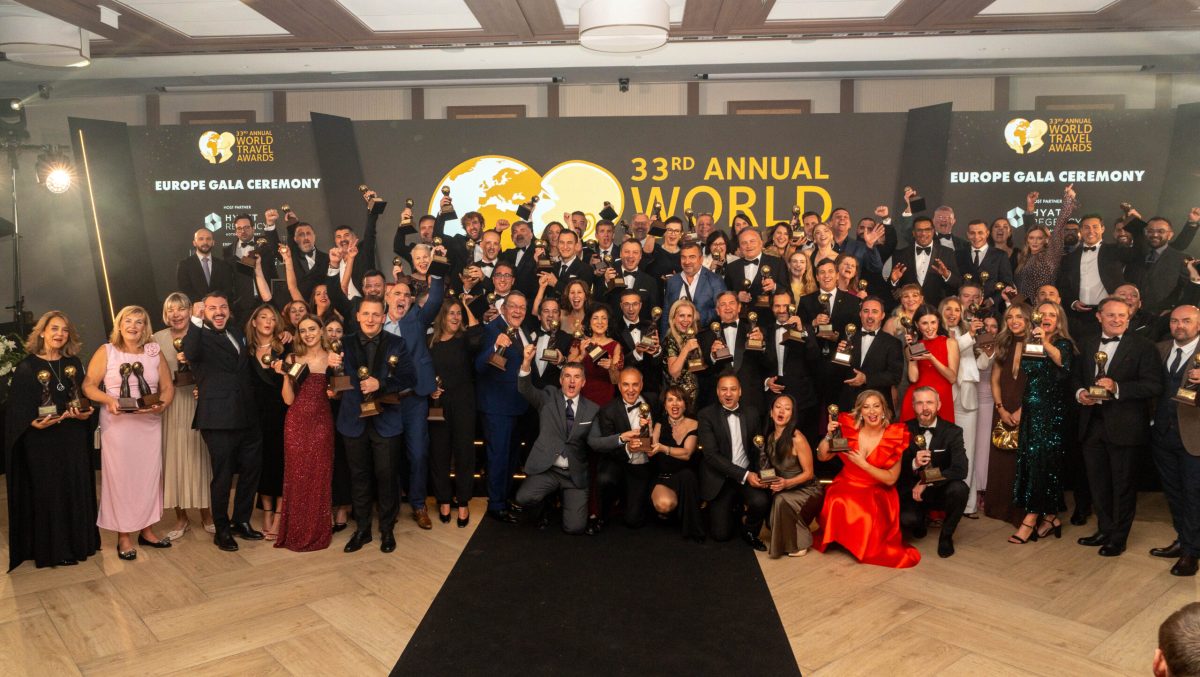
The forum, organized by the World Tourism Forum Institute, is positioning itself as the bridge between big ideas and real money. Bulut Bağcı, the institute's president, put it plainly: the goal is to turn dialogue into projects and partnerships that destinations can actually deliver. That means connecting governments with investors, hotel operators, and development banks, all while tackling the confidence gap that can make or break a tourism economy. It's a tall order, but the organizers have a track record. Their Angola Investment Summit in Luanda this past June wrapped up with ten memoranda of understanding covering everything from hotel operations to sustainability and tech.
Day one in Brussels will zero in on how tourism plans become bankable projects. Expect sessions on public-private partnerships, hospitality development, and the delicate art of mixing public funds with private capital. There's also an Investment Deal Room, which sounds like the kind of place where handshakes turn into contracts. The second day shifts to the darker side of travel: cybersecurity, border systems, crisis management, and the resilience needed to weather climate shocks and health scares. It's a reminder that tourism isn't just about pretty photos. It's about infrastructure, trust, and the systems that keep planes flying and borders open.
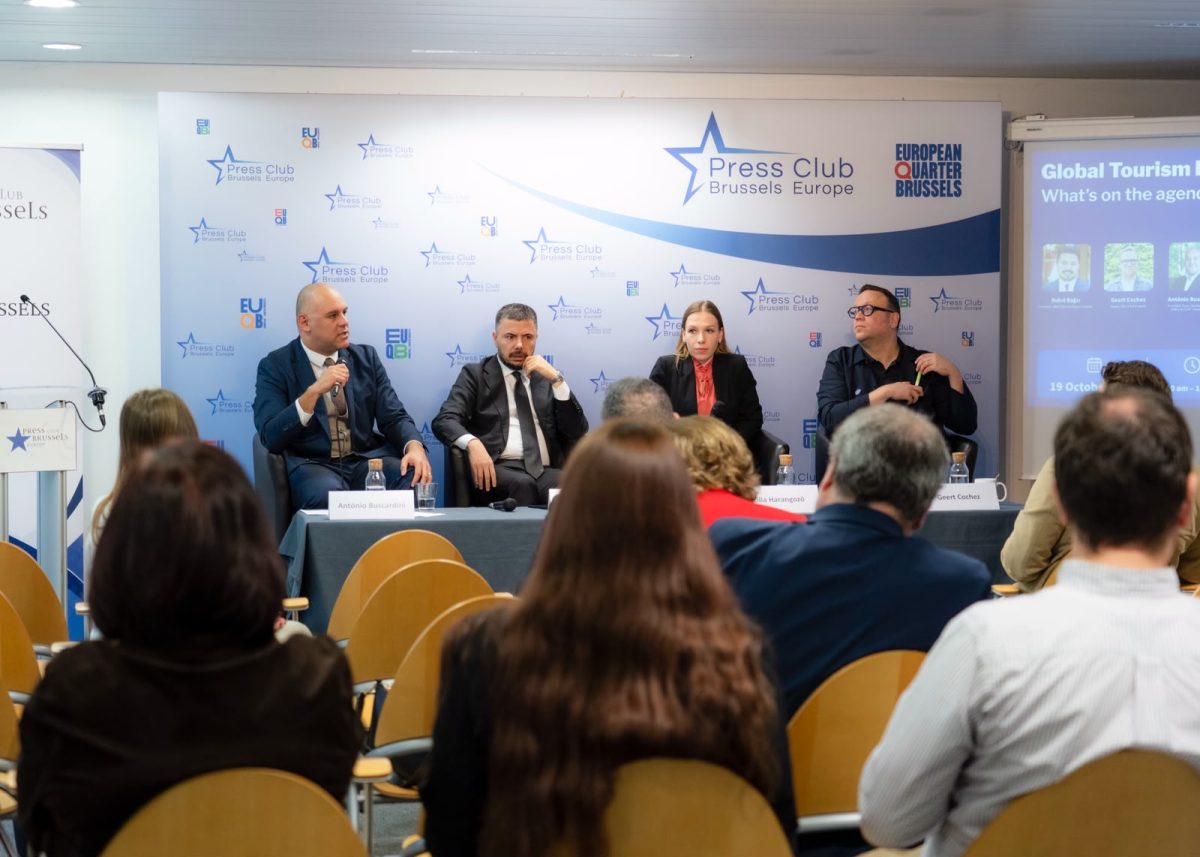
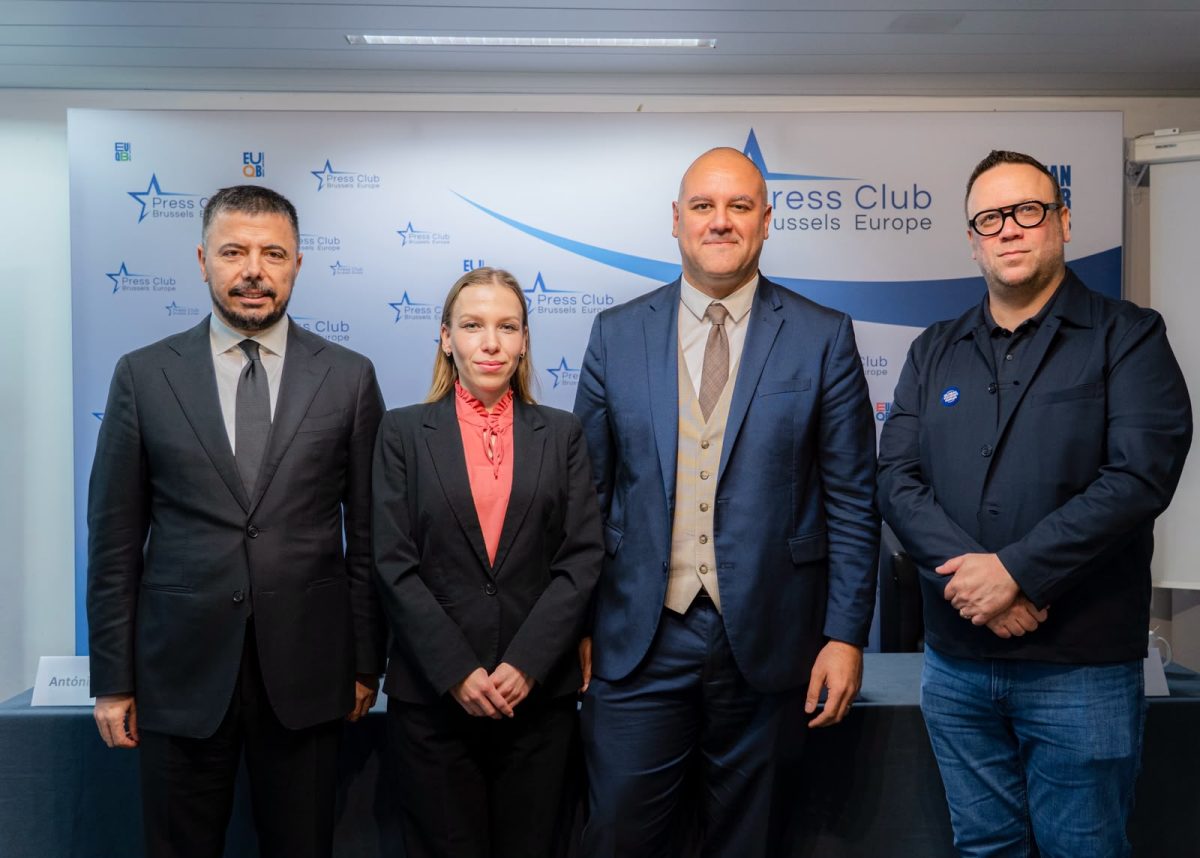
António Buscardini, who heads the Press Club Brussels Europe and moderated the agenda launch, made a compelling case for why this matters beyond the conference hall. He pointed to Europe's lopsided tourism flows, where a handful of hotspots get overwhelmed while other regions struggle for attention. Investment can help spread the wealth, easing pressure on overcrowded cities and giving lesser-known destinations a fighting chance. That's a message that resonates anywhere, but especially in a city like Brussels, which knows a thing or two about balancing tourism with daily life. If you've ever wondered how cities manage the tourist tide, this is the conversation to watch.
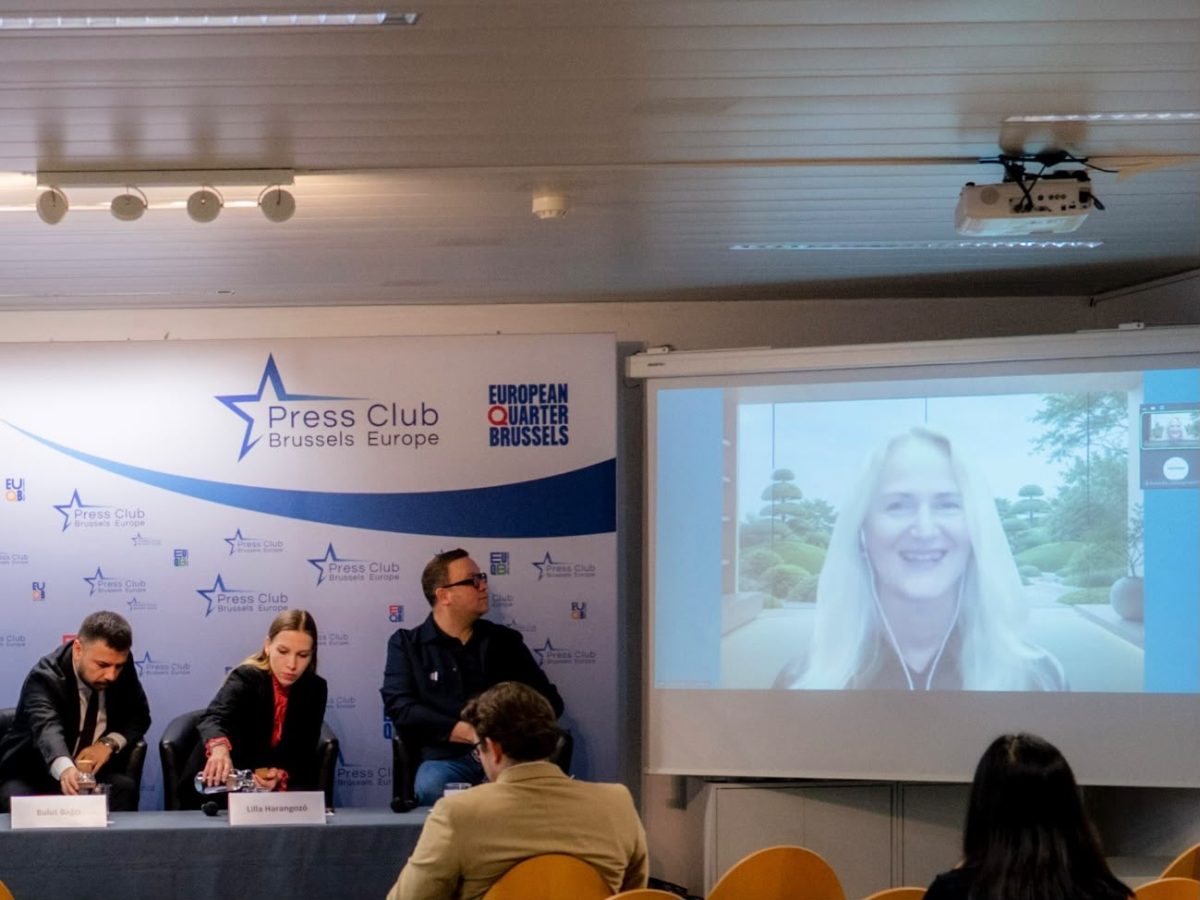
The forum also brings a health tourism angle, thanks to Csilla Mezösi of the European Spas Association. She highlighted a network of more than 1,400 health resorts and clinics across Europe, making the case that wellness travel is a serious economic player. It's a reminder that tourism isn't just about sightseeing. It's also about recovery, relaxation, and the kind of experiences that make you feel human again.
For Brussels itself, hosting this event is a win. Geert Cochez from visit.brussels shared some numbers that make the case: international congress delegates spend an average of €456 per person, with organizers adding another €416 per head. That's real money flowing into local hotels, restaurants, and shops. But Cochez was quick to note that the value goes beyond the cash register. International congresses create knowledge and professional relationships that outlast the event itself. They put a city on the map for the right reasons, and they open doors for future collaborations.
Brussels has been making moves to position itself as a hub for smart tourism thinking. The city has experimented with late-night museum openings and grappled with airport chaos, but this forum feels like a step up. It's a chance to show that a capital known for bureaucracy can also be a place where ideas take flight. And with the EU institutions just down the road, the setting is perfect for connecting tourism policy to the bigger picture of transport, climate, and borders.
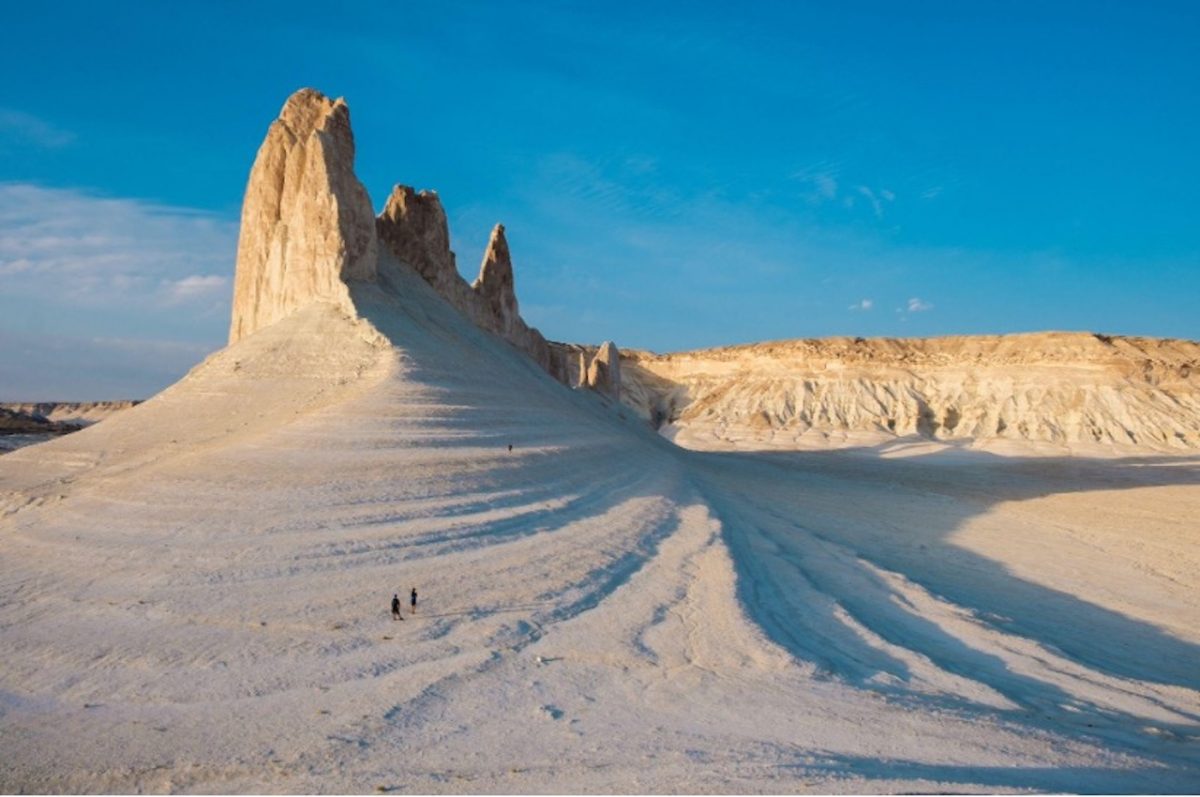
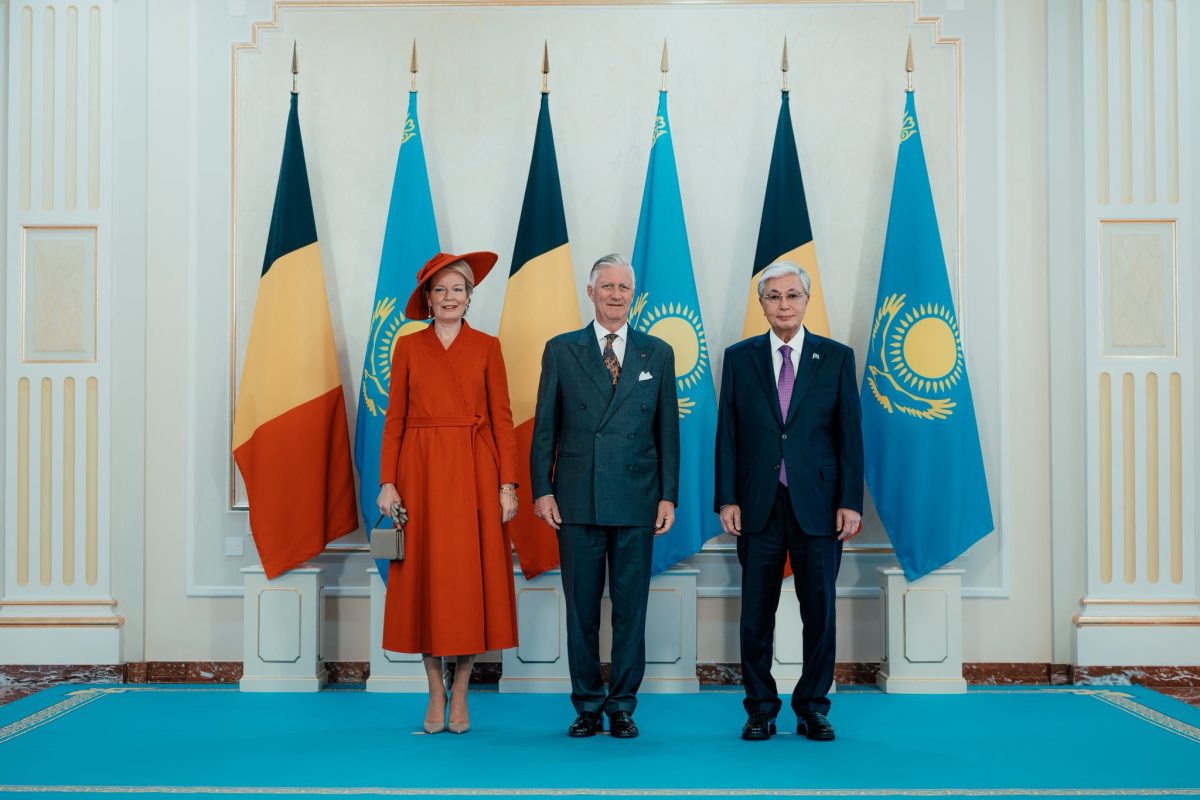
If you're a traveler, you might wonder why this matters to you. Simple. The decisions made here will shape where you can go, how much it costs, and how safe you feel when you get there. Whether it's a new airport in Kazakhstan or a tourism strategy in Barcelona, the ripple effects of these conversations reach every corner of the map. So keep an eye on Brussels this November. The future of travel is being drafted, and it's going to take more than a passport to keep up.