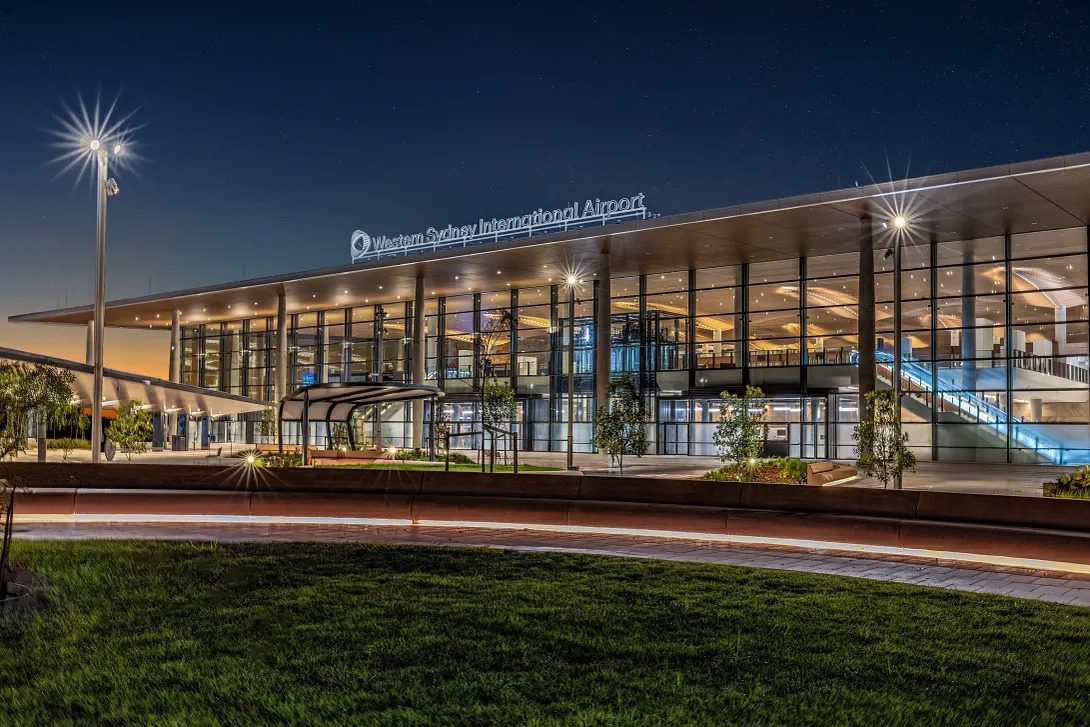
After seven years of construction, Western Sydney International Nancy-Bird Walton Airport (WSI) swings open its doors on October 25. Named for Australia's first female commercial pilot, this new gateway sits more than 60 kilometers west of the city center, and it's already shaking up how travelers think about flying in and out of Sydney.
The airport's 3.7 km runway operates around the clock, a direct challenge to Kingsford Smith's night curfew that has long frustrated red-eye travelers. Initial capacity tops out at 10 million passengers a year, but the master plan eyes 82 million, which would make it Australia's busiest hub. For now, the focus is on getting the basics right.
Where You Can Fly First
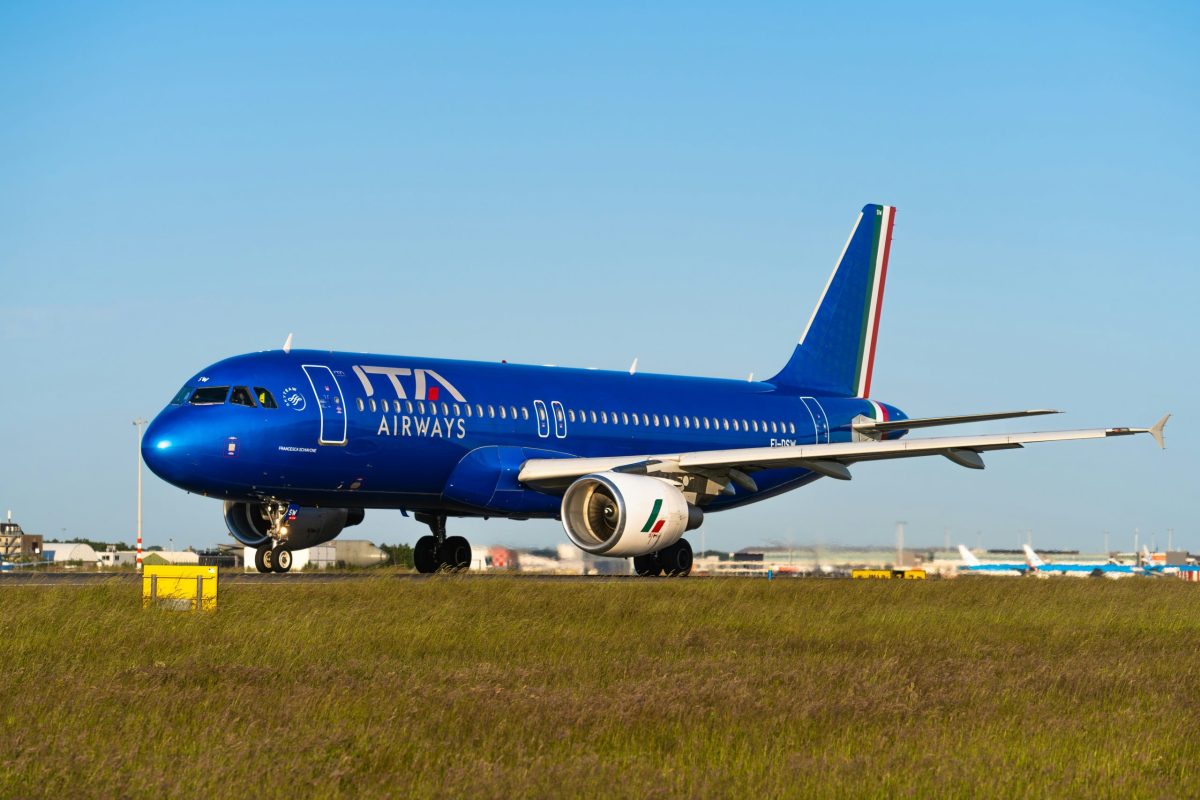
Jetstar kicks off domestic runs to Melbourne, Brisbane, and the Gold Coast. Air New Zealand follows with the first international departure to Auckland on October 26. Singapore Airlines starts daily flights to Singapore from November 23, opening connections to Europe and the UK. Vietjet Air and Fiji Airways join later, with Ho Chi Minh City in January 2027 and Nadi in March.
Early fare comparisons from The Guardian show real savings on some routes. Jetstar return flights to Melbourne start at A$187 from WSI, versus A$258 from Kingsford Smith. Gold Coast fares also come in cheaper, though Brisbane is more competitive from the old airport. International tickets generally favor Kingsford Smith, except Fiji Airways, which offers potential deals to Nadi.
The Catch Is Getting There
Location changes everything. From central Sydney, driving to WSI takes about an hour, compared to 20 minutes for Kingsford Smith. A free shuttle connects WSI to St Marys railway station every 30 minutes until the metro line opens. Super Shuttle also runs electric buses to Parramatta, Sydney CBD, and Kingsford Smith, but those cost extra. Taxis and ride-hailing from the eastern suburbs can wipe out any fare savings.
Parking is the bright spot. The 6,000-space car park charges significantly less than Kingsford Smith, at least while introductory discounts last. That makes WSI a smarter choice for locals west of the city or anyone willing to drive.
Premium Touches and Local Payoff
WSI isn't ignoring luxury travelers. The Rayleigh Lounge, designed by COX Architecture, opens in November with an open kitchen, bar, private showers, and views toward the Blue Mountains. It starts with 80 seats, expanding to 130, and initially serves eligible Singapore Airlines passengers. The design draws from the surrounding landscape, a nod to the airport's western Sydney home.
The economic ripple is already visible. Construction has created more than 12,800 jobs, about half filled by local workers, and over A$500 million has flowed into 360 businesses across the region. The airport's website tracks these milestones, and the team behind WSI expects the new connections to boost trade and tourism in Western Sydney.
For travelers weighing their options, the math depends on where you start. If you're near the new metro or in the west, WSI's cheaper parking and lower fares could win. If you're in the eastern suburbs, Kingsford Smith's convenience is hard to beat. And if you're eyeing a quick escape to the Blue Mountains or Featherdale Wildlife Park, WSI puts you closer to the action.
Budget carriers are expanding across the region too, with new routes popping up for summer 2027. And if you're planning ahead, knowing the exact days to book holiday flights can save you more than just a few dollars. Sydney's second airport is finally real, and it's changing the game one route at a time.