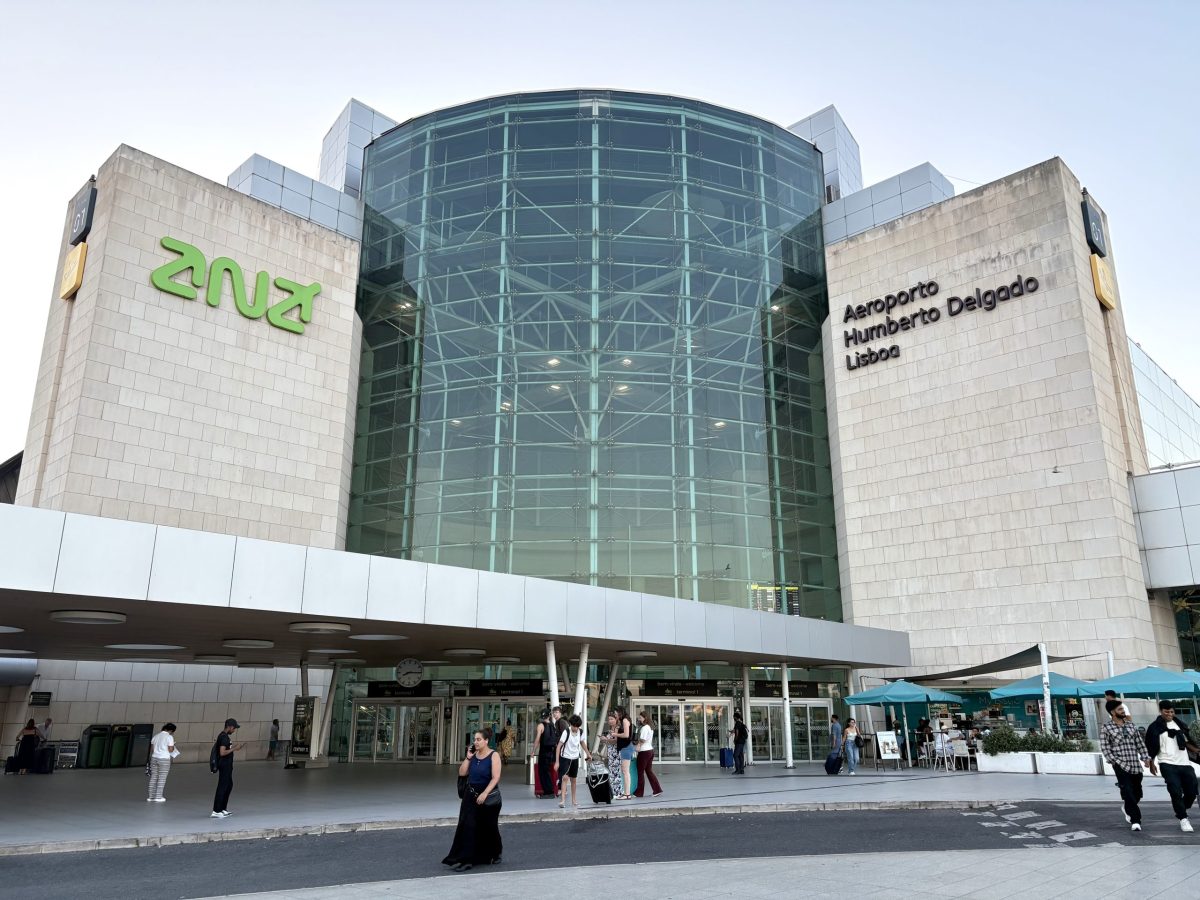
There's a particular dread that comes with joining a taxi queue in a foreign city. You've just landed, you're tired, and you know the meter might be spinning faster than a fado dancer. For years, Lisbon's Humberto Delgado Airport was a hotspot for that anxiety, with travelers swapping horror stories about inflated fares and drivers who refused to budge. But as of October 15, the game has changed.
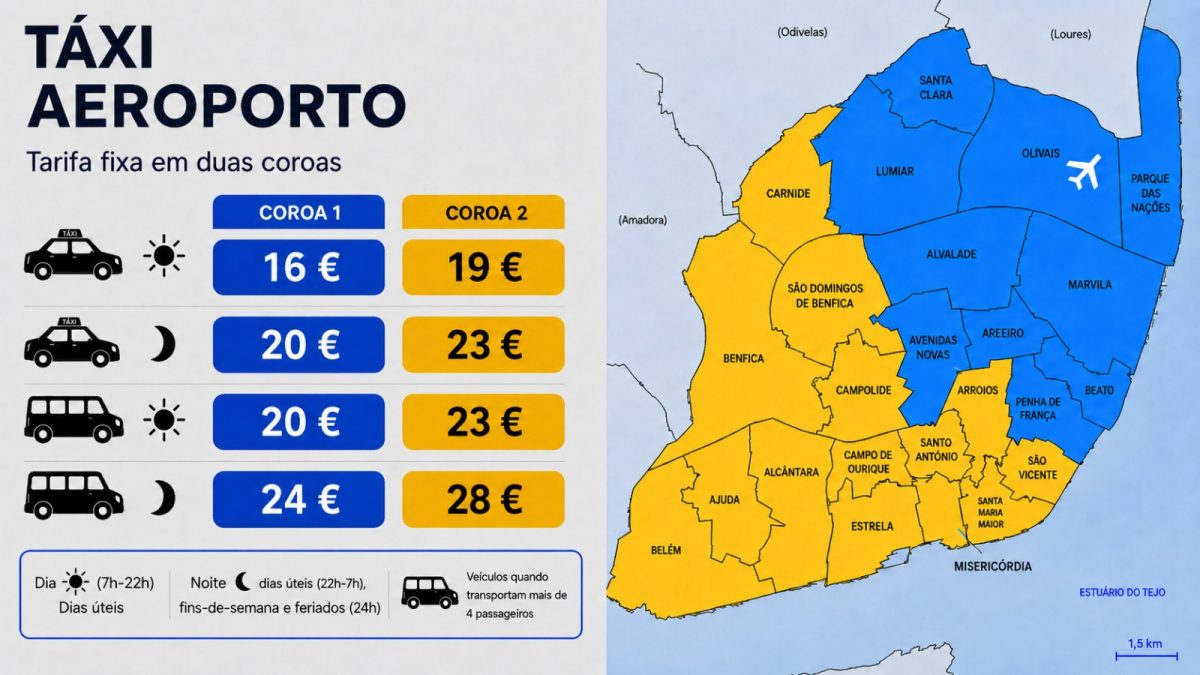
The city has introduced fixed fares for taxi journeys from the airport, a move that aims to kill the scams and restore some trust in the iconic black-and-green cabs. The new system splits the city into two zones. On weekdays from 7 am to 10 pm, Zone 1, covering areas like Parque das Nações, Alvalade, and Areeiro, costs €16. Zone 2, which takes in the historic heart of Baixa, Chiado, Bairro Alto, Belém, Alcântara, Estrela, and Campo de Ourique, is €19. At night, on weekends, and on public holidays, those prices rise to €20 and €23. Luggage is included, so no more surprise surcharges for your suitcase.
The change comes after a summer of discontent. In late August, police inspections of around 100 taxis at the airport found 67 infringements, including meters that were incorrectly positioned, missing documentation, and safety violations. Social media has been buzzing with warnings. One Facebook user posted about a friend who was threatened by a driver who screamed and refused to release her luggage unless she paid an extortionate fare. On Reddit, a traveler described watching the meter climb suspiciously fast, and when they questioned it and photographed the meter, the driver turned aggressive. Even locals have been avoiding the taxis, with one Portuguese commenter admitting, "I'm from Portugal and I never take a taxi in Lisbon, I always call in an Uber."
The new rules, signed off by Lisbon City Council, airport operator ANA, the Lisbon Tourism Association, and two taxi associations, FPT and ANTRAL, also force drivers to accept vouchers and electronic payments. They can no longer refuse a journey, and they're required to keep their vehicles clean and treat passengers courteously. There's even a dress code: no flip-flops, shorts, or sleeveless shirts. The idea is to make the experience as predictable as a tram ride on the 28.
But not everyone is cheering. Some travelers have called the fares inflated, pointing out that a trip to Oriente station, which used to cost between €7.50 and €10, now sets you back €16. That's a significant jump for a short hop. Yet for those who've been stung before, the certainty might be worth the extra euros. You know exactly what you'll pay before you get in, and that's a rare comfort in the world of airport transfers.
The system is still being rolled out. Driver accreditation and automatic number-plate recognition at the rank won't be fully operational until early November, and information panels displaying the fares inside and outside the terminal should be installed by then. Carlos Silva, president of the FPT, has already called for the fixed fares to be extended to nearby municipalities like Moscavide, Sacavém, and Prior Velho, which would make sense for travelers heading to those cheaper outskirts.
If you're planning a trip to Lisbon, this is a welcome change. The city has been riding high on tourism, and its airport is a gateway to a destination that keeps winning awards. Just last year, Lisbon's cruise port was crowned for the third time, proving Portugal's maritime appeal. And while the taxi situation has been a sore spot, the new fixed fares are a step toward making the arrival experience as smooth as the pastel de nata you'll soon be eating.
For those who prefer to avoid taxis altogether, the metro remains a solid option, especially if you're staying near the city center. But if you do take a cab, you now have the peace of mind of knowing the price before you even close the door. It's a small victory for travelers, and a reminder that even the most stubborn problems can be fixed with a little regulation and a lot of public pressure.