For centuries, travelers have hauled home trinkets: papyrus scrolls from ancient Egypt, pilgrim badges from medieval shrines, seashells pocketed by Victorian collectors. But a new report from Skyscanner has spotted a shift. The souvenir is no longer a memento of a trip. It is the reason for the trip itself.
Skyscanner calls the trend pilgra-merch, a portmanteau of pilgrimage and merchandise. The idea is simple: you travel to a specific place specifically to buy a specific item. Not a generic keychain, but something that can only be found there, whether it's a Trader Joe's tote bag from a US store or a branded keepsake from the Ritz Paris. The journey becomes a quest, and the object is the holy grail.
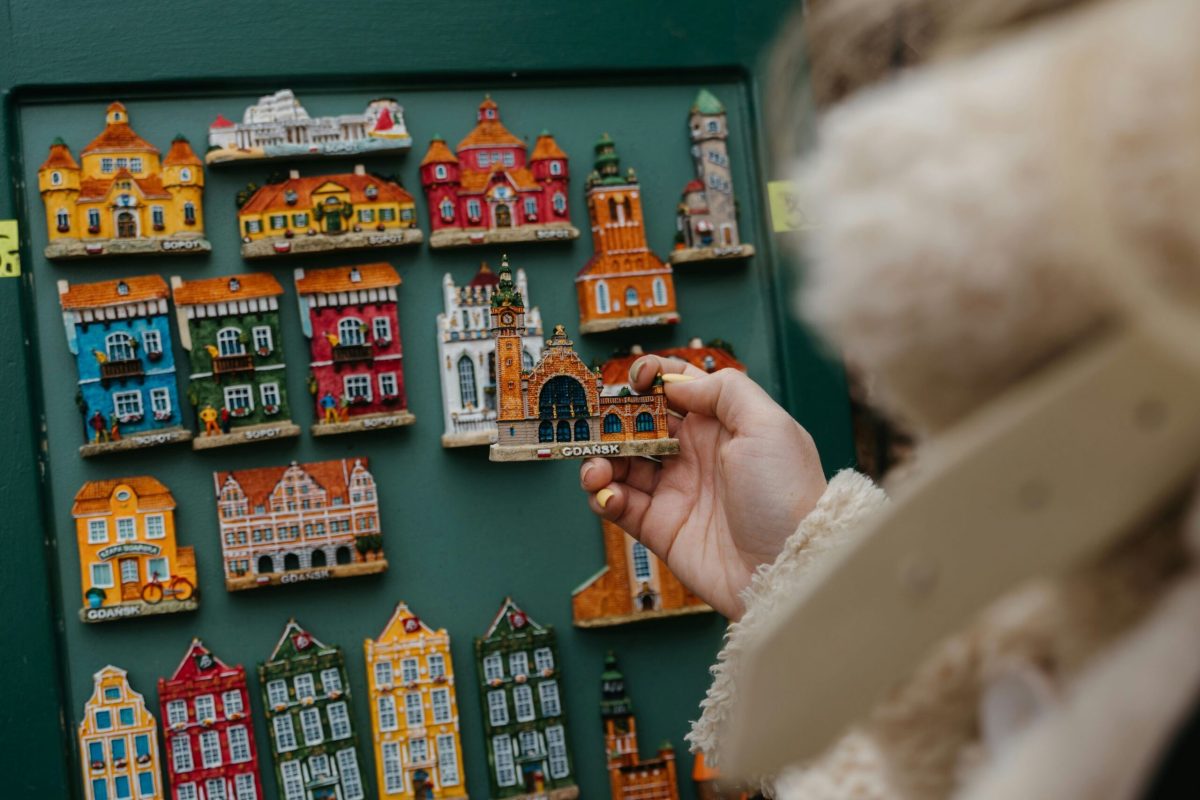
This is a far cry from the mass-produced souvenirs that dominated the 20th century. Cheap fridge magnets and plastic Eiffel Towers have lost their charm as travelers grow more discerning. They want authenticity, and they're willing to go out of their way to get it. The internet has made everything available everywhere, so the only way to get the real thing is to show up in person.
From Grand Tour to Instagram Brag
The trend echoes the Grand Tour of the 17th to 19th centuries, when wealthy Europeans traveled to southern Europe to complete their education and returned with art, sculptures, and other status symbols. As Katherine Gazzard, Curator of Art at Royal Museums Greenwich, explains, collecting souvenirs was tied to social standing. Travelers wanted to prove they had been on the trip, and they displayed their acquisitions at home.
Today, the display case is social media. A photo of a handwoven scarf from Finland, a bottle of rum from Venezuela, or a Lucha Libre mask from Mexico serves as a subtle brag. It says, "I went there, and I brought back something you can't get online." It's a more discreet way of showing off than a direct post about your vacation.
The Dark Side of Souvenir Shopping
Not all souvenirs are created equal. The Australian Government's Productivity Commission found in 2022 that up to 75% of souvenirs marketed as "Indigenous" in Australia were fakes. In India's Leh Market, 95% of fabrics sold as pashminas aren't genuine, according to Sonam Angmo, co-founder of Lena Ladakh Pashmina. The rise of pilgra-merch is partly a reaction to this: travelers want the real thing, not a knockoff.
But the trend also raises questions about sustainability and ethics. Mass-produced souvenirs often rely on wasteful materials and exploit local communities. The new breed of souvenir hunters, however, are often willing to pay more for quality and authenticity, which can benefit local artisans and small businesses. The key is to do your research and buy from reputable sources.
What to Buy Around the World
Skyscanner's report includes a list of top-selling souvenirs by country, from papyrus scrolls in Egypt to Zulu spoons in South Africa, from Korean tea to Russian matryoshka dolls. Some highlights:
- Japan: origami paper, a delicate art form that's easy to pack.
- Mexico: Lucha Libre masks, colorful and full of character.
- Iceland: wool sweaters, practical and warm.
- Italy: Venetian masks, perfect for a masquerade or a wall display.
- Australia: boomerangs, a classic that never goes out of style.
For those who prefer experiences over objects, the trend toward racecation travel is another way to make a trip memorable. Running a marathon in a new city or attending a music festival can be just as meaningful as buying a souvenir.
And if you're planning a trip around a specific purchase, consider the logistics. Some items, like the Ritz Paris merchandise, are only available at the hotel's boutique. Others, like Trader Joe's totes, are only sold in stores, not online. Plan ahead, check opening hours, and be prepared to queue.
Ultimately, pilgra-merch is about more than consumerism. It's about the human desire to remember, connect, and share. As psychologists have noted, souvenirs help us hold onto experiences and let others know we thought of them while we were away. So whether you're hunting for a rare spice in India or a hand-painted egg in Romania, the souvenir is a way of carrying a piece of the world with you.
For more travel inspiration, check out 30 new trips that turn travel into a force for good or the Northern Lights plane that's now 25,000 tiny souvenirs. And if you're planning a trip to Europe, don't miss London's big rail upgrade workaround.