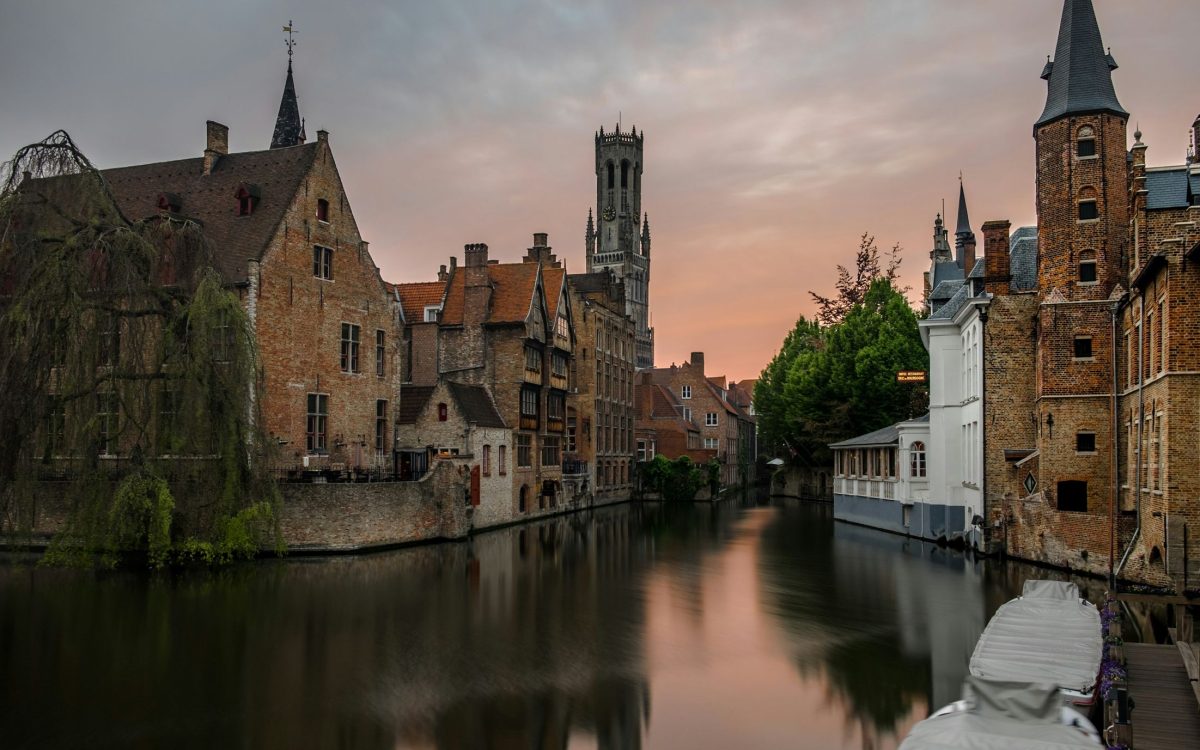
There's a special kind of magic to drifting through Bruges' narrow waterways, watching medieval facades reflect in glassy canals. But for locals living along those same routes, the magic has been drowned out by constant amplified chatter from tour guides. Now the city is fighting back.
Belgium's picture-perfect city will ban loudspeakers on tourist boats starting in 2029, a decision born from years of noise complaints. Around 1.3 million visitors take guided boat tours through Bruges annually, and nearly every operator has relied on speakers to narrate the city's rich history as boats glide past landmarks. The result? Residents living waterside have had front-row seats to the same scripted stories, again and again, whether they wanted them or not.
Why locals finally said enough
The city council started hearing from frustrated residents by mail and phone, each complaint another grain in a growing pile of frustration. Minou Esquenet, Bruges' alderwoman for Tourism, framed the upcoming ban as a delicate balancing act. "This is an issue of balance and quality," she explained. "We have held consultations with relevant stakeholders and sought to achieve the greatest possible consensus between the wishes of the city council, the interests of our residents and those of the ferry companies."
The five boat operators had until 2029 to adapt, a grace period meant to give them time to figure out a workable alternative without upending their business overnight. That cushion matters, because the transition isn't simple.
Headsets instead of speakers, but it's complicated
The city's preferred solution: wireless headset systems, the same technology already used on walking tours across Europe. Travelers put on headsets, guides speak directly into microphones, and only passengers get the audio. Quiet streets. Happy neighbors. Problem solved, right?
Not quite. Michiel Michielsens of Venetië van het Noorden, one of the largest operators, laid out the reality: "The noise levels are already very low. But providing 1,700 people with working headsets and fully charged batteries on a Saturday? That's going to be difficult. And what about children? What if it rains?" He's not wrong. Headsets mean logistics, maintenance, weather vulnerability, and the coordination nightmare of managing devices for thousands of daily passengers.
Still, operators have made clear they'll comply if the city council officially approves the measure, which appears certain to happen.
A quieter Bruges has a price tag
The city isn't asking boat companies to absorb the cost alone. Starting in 2027, ticket prices will jump from 15 euros to 17 euros per person, money earmarked for upgrading infrastructure and accelerating the push toward fully electric vessels. The city is already halfway there (16 of 20 boats are electric), with a target of 100% electric boats by 2028.
That modest price increase also flows directly back to Bruges' treasury. Twenty-nine percent of ticket revenue goes straight to the city, so a two-euro bump per passenger adds meaningful funding to local coffers. For travelers, it's a small surcharge in exchange for visiting a city that's taking noise pollution seriously and investing in cleaner transportation.
This move mirrors similar efforts across Europe to manage tourism's impact on residential quality of life. Cities are learning that visitors and locals can coexist, but it requires real choices and real compromises.
When you book your Bruges canal tour in the coming years, expect the soundscape to change. The amplified running commentary will fade, replaced by quieter, more intimate narration through personal audio. For many travelers, that shift will barely register. For the residents who live there, it might be the difference between loving their city and merely tolerating it.