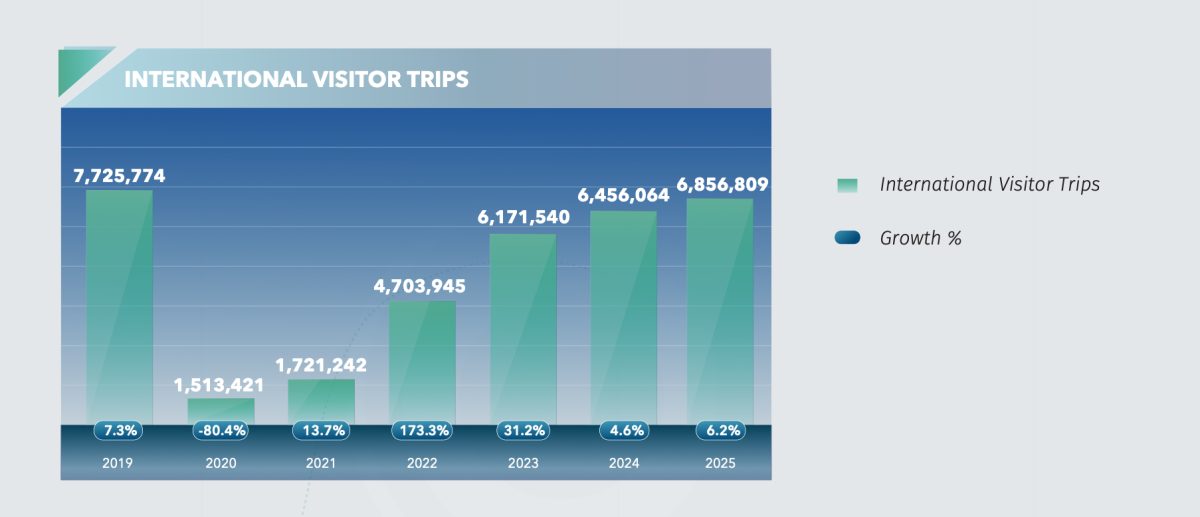
Greece is on fire. The first four months of 2026 delivered staggering numbers that should make any destination jealous: 5.24 million arrivals, a jump of 27.1% from the same period last year. But the real story isn't just about more bodies on the beaches. It's about smarter growth.
While overtourism plagues other European hotspots, Greece managed something trickier. Visitor numbers climbed, yes, but so did what each person spent. The average trip cost rose 8.6% year-on-year. That means Greece is attracting crowds without cannibalizing its own appeal. Travel receipts hit €2.79 billion, a 36.9% increase, while overall tourism revenue outpaced local spending abroad by €1.66 billion (up 58% from 2025).
The surge came from multiple directions. Overland arrivals exploded by 67.8%, suggesting road-tripping Europeans discovered the magic of driving to Greece rather than flying. Air arrivals still grew too, just more modestly at 12.8%. This mix matters. It means tourists have more flexibility and Greece becomes accessible beyond the summer airport crush.
Where the money is coming from
EU nations and non-EU countries nearly split the spending equally. EU receipts climbed 38.7% to €1.37 billion, while non-EU countries (mainly UK, US, and other major markets) brought in €1.34 billion, up 37.5%. But visitor distribution tells a different story. EU arrivals jumped 36.1% while rest-of-world arrivals increased just 18.3%, suggesting wealthy Europeans are becoming repeat visitors while distant markets remain niche.
Italy sent 21.6% more visitors than early 2025, and Italians didn't just show up in bigger numbers, they spent 57.5% more. France's arrivals and spending moved in lockstep, both up around 14%. These trends suggest Greece is becoming the default short-haul escape for Mediterranean travelers.
The UK surprise deserves its own spotlight. British arrivals surged 51% while spending rocketed up 106.9%, nearly doubling year-on-year. The reason? Greece suspended EU Entry/Exit System (EES) checks for UK arrivals. Post-Brexit, British visitors face delays at many EU borders. Greece's decision to waive those requirements made it the obvious choice for holiday planners avoiding hassle.
The worrying signals from Germany and America
Not every market delivered champagne moments. Germany sent 534,500 visitors, up 12.4%, but they spent 10.5% less, bringing receipts to just €263 million. The culprit: weak consumer confidence. Germany's household budgets are squeezed by geopolitical uncertainty in the Middle East, inflation, and flagging purchasing power. May 2026 marked the lowest German consumer confidence since 2023, signaling that bargain holidays and budget travel are replacing splurge trips.
The United States dipped slightly too. US arrivals fell 3.4% and spending dropped 0.8%, suggesting America's wealthy are either vacationing elsewhere or tightening belts themselves. These cracks hint that Greece's monster growth may not sustain if global confidence falters.
What happens next matters. Greece benefited from exceptional EU conditions, British border relief, and pent-up European demand for sun and history. But the softness from two major markets suggests the tourism industry should watch the second half of 2026 closely. While other European destinations rethink tourism strategy, Greece's challenge isn't slowing growth, it's sustaining quality while managing it.
For travelers planning Greece trips, the takeaway is straightforward: the infrastructure is getting attention, spending is up (meaning more investment in services and experiences), and the country still feels like a value destination compared to rivals. Book now, and you might just catch Greece at its sweet spot before the crowds get heavier or the prices climb higher.