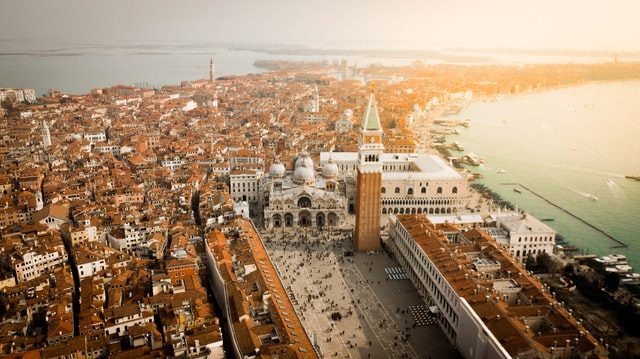
Venice has become ground zero for a question plaguing Europe's most famous cities: how do you manage the crowds without turning your hometown into a theme park? The new mayor, Simone Venturini, thinks he has an answer. He's proposing to charge day visitors as much as €50 during peak season to enter the lagoon city, roughly tripling the existing access fee.
This isn't Venice's first attempt at tourist management. Since 2025, the city became the world's first major destination to charge visitors just for showing up for the day. It started modestly: a five-euro levy on 29 peak-season dates. By 2026, that had expanded to 60 dates annually. Visitors pay online, receive a QR code, and pass through checkpoints run by staff verifying visitor status. Overnight guests, residents, children under 14, students, and people seeking medical treatment are exempt, though they still need to register.
The scheme has worked better than expected, pulling in far more revenue than initially projected. That success, though, reveals the real problem: the fees haven't deterred enough visitors to actually reduce crowd levels. That's where Venturini's new proposal comes in. Under his plan, visitors could face charges between €30 and €50 on high-season dates once the city hits its pre-defined tourist capacity limits. The extra revenue, he argues, would fund city services and help cover the more than €100 million annual costs of maintaining a municipality built quite literally on water.
A City Caught Between Two Versions of the Problem
Here's where things get messy. Critics worry that Venturini's aggressive pricing might push tourists to rush bookings instead of spreading visits throughout the year, creating even sharper peaks. Some residents already complain the fee makes their beloved city feel commercialized and exclusionary. They also question whether daytippers are truly the culprit. A growing camp of observers argues that overnight visitors pose the real threat. These guests wheel oversized luggage through narrow passages, drive up short-term rental prices, and squeeze locals out of their own neighborhoods (and even off their gondolas). The daytripper fee, this argument goes, lets residents and tourism officials focus blame on the wrong group.
Others counter that daytrippers bring less money into the local economy than visitors who stay overnight. Yet the data remains murky. What's clear is that Venice faces existential challenges that go far beyond visitor management. A city sinking into its lagoon needs serious, long-term solutions, not just revenue extraction.
The Broader European Struggle
Venice's tussle with overtourism mirrors a continent-wide crisis. Mediterranean destinations, particularly across Southern Europe, are grappling with record numbers of arrivals, straining infrastructure and eroding local culture. Venice's approach, for all its imperfections, offers at least one model other cities are watching closely. Whether higher fees actually solve the problem or simply make exclusivity pay remains to be seen.
Supporters of Venturini's plan argue it deserves time to work. The current scheme is still relatively young. Doubling or tripling fees might finally push the needle on visitor numbers in ways the modest initial charge didn't. City officials maintain that sustainable tourism requires revenue to maintain Venice's unique infrastructure and protect its heritage status.
For travelers planning a visit, these changes matter. If you're thinking about a quick day trip to see Saint Mark's Basilica and get a selfie on the Rialto Bridge, start budgeting an extra €30 to €50 on top of your transportation costs during summer months. And if you're serious about experiencing Venice, staying overnight might make economic sense, despite rising accommodation costs in the city itself.
The tension between welcoming visitors and preserving a place isn't new. But Venice's struggle is urgent in a way others aren't. The city won't have another century to figure this out. Whether Venturini's fee hike becomes policy or serves as a cautionary tale about pricing tourists out of cultural treasures, one thing's certain: the conversation about who gets to visit the world's most vulnerable cities has only just begun.