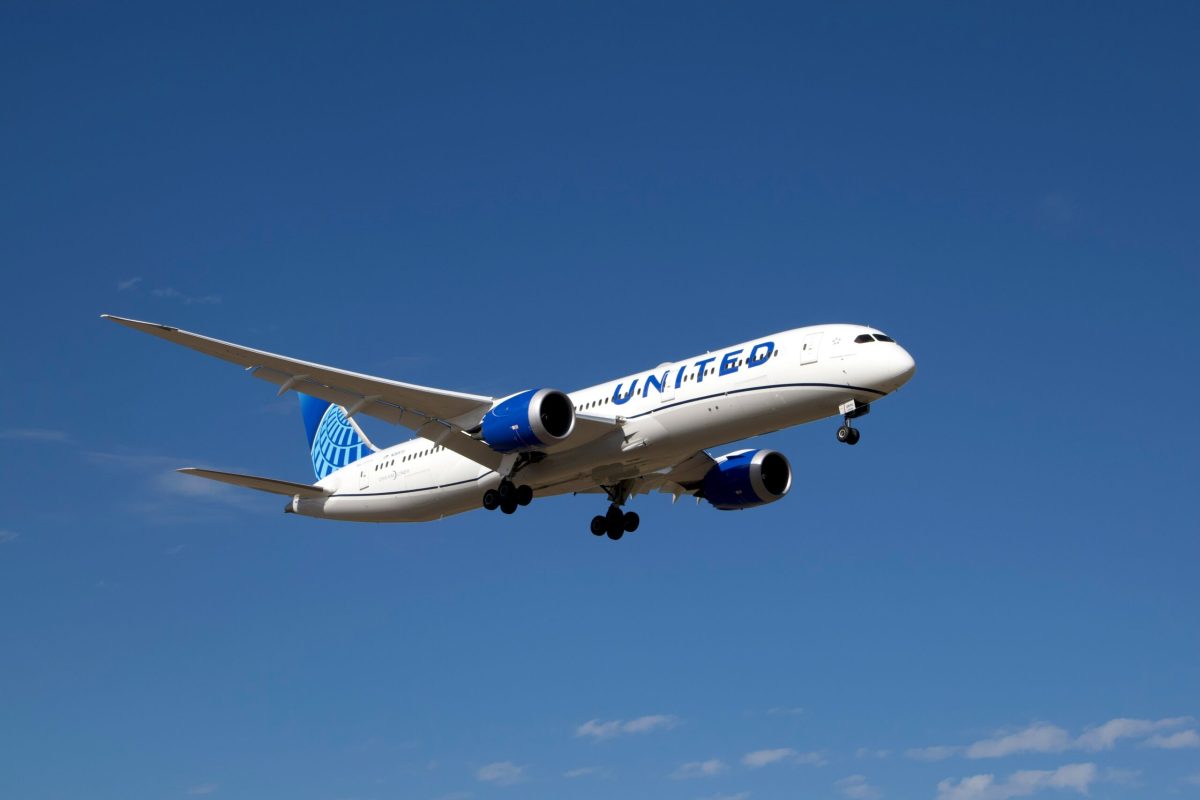
Forget the plastic tray and mystery protein. Beginning August 1, 2026, United Airlines is betting that some travelers will book premium seats just to eat. The airline has partnered with Chef's Table, the production company behind Netflix's James Beard Award-winning documentary series, to overhaul the dining experience on United Polaris international business class flights. The result: ten completely new meal concepts developed by eleven world-renowned chefs spread across four continents.
This isn't just a marketing stunt. Each menu is hyperlocal, tied to the seven major U.S. hub cities where flights depart plus international gateways in London, Tokyo, and São Paulo. Fly out of Los Angeles, and you'll get a tasting designed by Nancy Silverton of Osteria Mozza. Departing from Houston? That's Justin Yu from Theodore Rex handling your plate. Flying from São Paulo? Manu Buffara, chef-owner of the namesake Manu, is designing your meal. Every appetizer, salad, and entrée connects you to the culinary identity of your departure city, even as you're cruising at 35,000 feet.
When Flying First Class Means Actually Eating Well
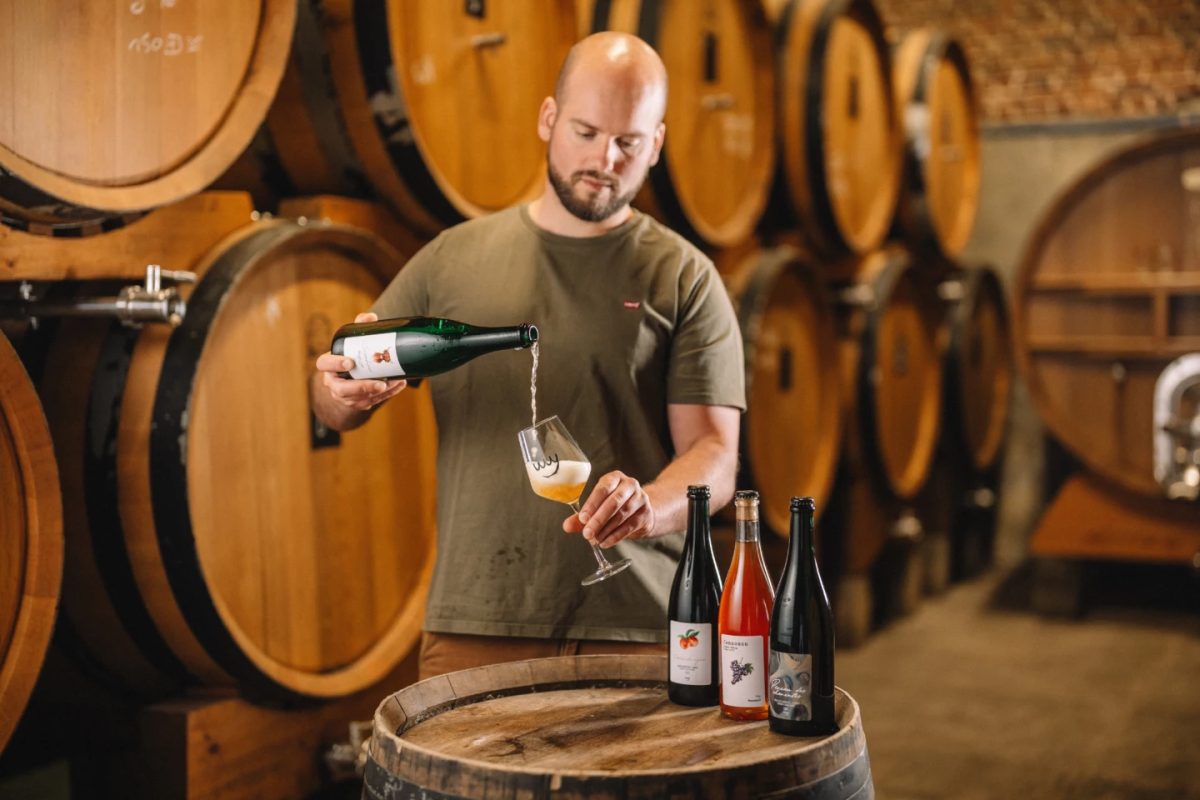
The timing matters. United spent roughly $150 million upgrading its food and beverage program throughout 2025, and customer satisfaction scores for the offering jumped 12 percent in the first quarter. The airline clearly learned that passengers notice when airlines care about what ends up on their plate. They've already brought Magnolia Bakery's banana pudding to domestic flights and expanded their wine list with labels like Heitz Cellar and Shafer. This Chef's Table collaboration is the natural next step: proof that an airline can actually compete with fine dining on the ground.
Andrew Nocella, United's Chief Commercial Officer, framed it simply: "Our network spans many of the culinary capitals of the world. This lets us bring together acclaimed chefs from around the globe." It's a smart play. United operates from cities that matter on the global food stage. Why not lean into that?
The partnership itself represents something unusual in aviation. Chef's Table Projects President Justin Connor called it "unprecedented," saying the collaboration brings "the culinary brilliance featured on Chef's Table to the skies." For millions of business travelers (the ones actually paying for these seats), the ability to experience artistry from eleven world-class chefs at 35,000 feet changes the conversation about what airline food means. This isn't about sustenance. It's about creating a moment that matters.
United Isn't Alone in Elevating the Cabin
Competition in premium cabin dining is heating up. Alaska Airlines recently rolled out its Chef's Table concept on select routes from Seattle to major East Coast hubs, featuring rotating seasonal menus with pre-order options and a focus on reducing waste. The airline enlisted chefs like Brady Ishiwata Williams and Brandon Jew to craft dishes passengers could actually get excited about. When airlines start using their catering as a selling point rather than an afterthought, you know the industry is shifting.
For business travelers who rack up miles on the same routes repeatedly, this matters. Book your flight now or pay much more later becomes less about the seat pitch and more about who's cooking your dinner. That's a genuine change in how premium travel sells itself.
The menu rotations will keep things fresh, with dishes updated to reflect the chefs' home cities and seasonal availability. It's the kind of detail that elevates the entire experience. You're not just getting a better meal. You're getting a meal that tells a story about where you're flying from, designed by someone who understands that place deeply. For business class passengers on long international routes, that kind of thoughtfulness can transform a grueling trip into something worth remembering.