Summer at European airports has turned into something out of a dystopian travel film. Nine countries, including France, Germany, Italy, and Greece, have just fired off an urgent letter to Brussels demanding that emergency safeguards for the new Entry/Exit System (EES) stay in place well beyond their scheduled September expiration. The reason? The system is buckling under the weight of peak season travel, and nobody's pretending it's working as designed.
What went wrong with Europe's fancy new border tech
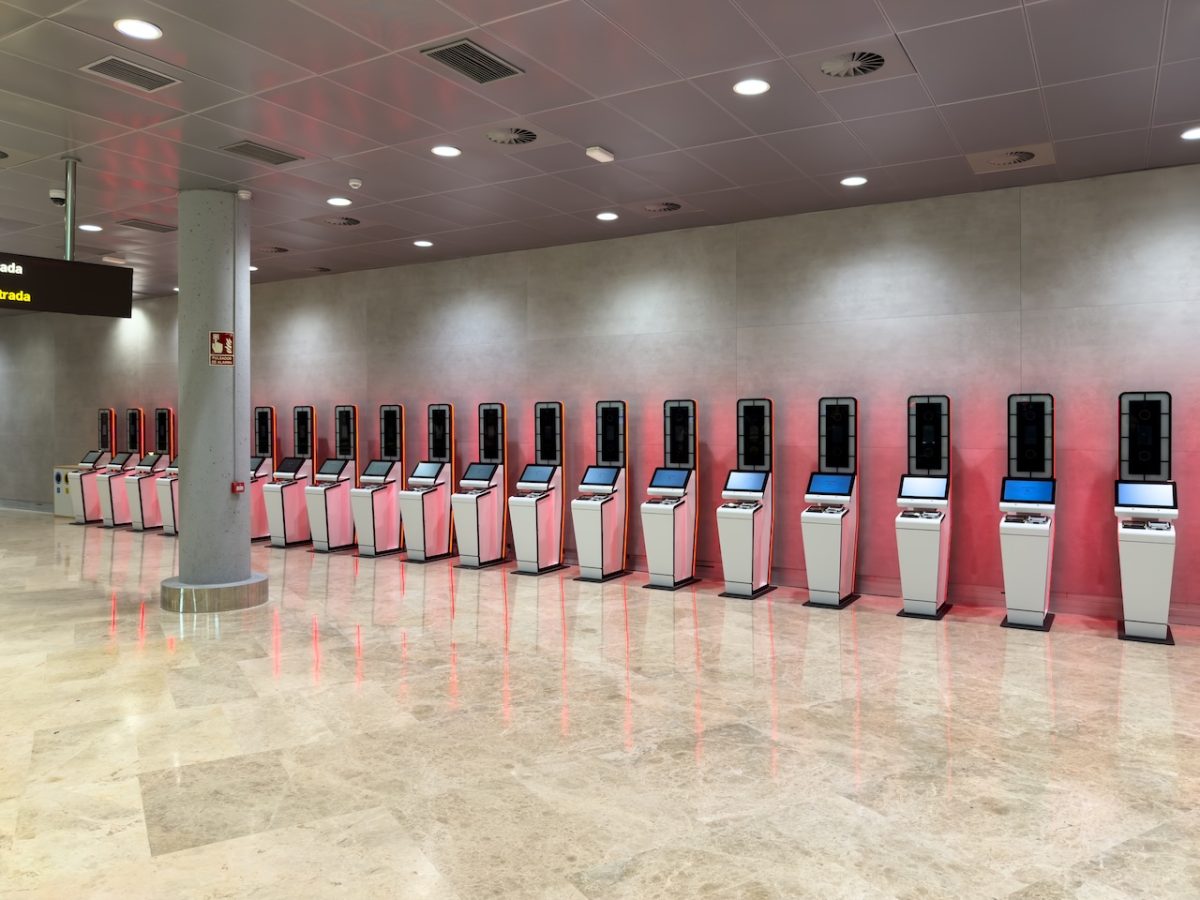
The EES launched in October 2024 with fanfare about biometric data collection, fraud detection, and all the security benefits that come with fingerprinting and facial scans. Member states have caught human traffickers and uncovered fraud in unprecedented ways, so the tech itself isn't broken. What's broken is the rollout: airports weren't ready, systems weren't synchronized across borders, and nobody anticipated just how many people would travel through Europe in July and August.
The result has been brutal. Airlines report border delays stretching five hours at some airports. Fraport Greece, which operates 14 airports across the country, literally installed gazebos to keep travelers from passing out in the summer heat while waiting to scan their fingerprints. Alexander Zinell, the company's chief executive, told the Financial Times that vulnerable passengers are being prioritized to avoid health emergencies. "It is very unpleasant for passengers, and even dangerous," he said.
Europe's new border system is collapsing under its own success, and the industry is sounding the alarm. EasyJet's Kenton Jarvis called the queues "completely unacceptable." Ryanair went further, urging the Commission to pause the system entirely until September, arguing that travelers shouldn't be "used as guinea pigs" for an unprepared system.
The emergency escape hatch that's buying Europe time
Here's what's keeping things from total chaos: a partial suspension mechanism that allows border officers to skip biometric data collection during peak periods, while still registering entries and exits. It's essentially an off-ramp that lets authorities say, "Yes, we're still tracking you, but we're not scanning your face right now." This mechanism was supposed to expire on September 6, 2026, but the nine countries want it extended indefinitely. Brussels hasn't committed either way.
The European Commission responded carefully, saying it welcomes the countries' support for the full system and that built-in flexibility measures already exist. But spokesperson Markus Lammert wouldn't confirm whether those emergency measures would actually stay past September. That non-answer tells you everything you need to know: Brussels knows the system isn't ready, but doesn't want to admit it publicly.
Airlines and airports are losing patience
Airports Council International, Airlines for Europe, and the International Air Transport Association have all weighed in, demanding greater operational flexibility. They're asking for the right to suspend biometric checks whenever passenger volumes exceed capacity. The World Travel and Tourism Council suggested a more pragmatic approach: deploy the Travel to Europe app faster for digital pre-registration, improve traveler communication, and actually staff borders adequately.
Europe's border chaos could linger for two years if the system doesn't get a serious overhaul. Zinell, from Fraport Greece, didn't mince words: "These are just temporary fixes. The system needs to be overhauled. It needs a new version, an update, and probably a reconfiguration."
What this means for travelers planning Europe trips
If you're flying into Europe this summer or fall, expect delays. Pack patience, wear comfortable shoes, and consider taking trains between countries instead of flying. The biometric system itself isn't going away, but how it's enforced will keep changing based on airport congestion.
The bigger issue? Europe built an ambitious border security system without fully testing it at peak capacity. Now nine major countries are essentially saying, "We need to keep the emergency brake available because our infrastructure still isn't ready." The Commission appears willing to extend flexibility, but hasn't confirmed it. For travelers, that means uncertainty through the fall season.
Some cities are already taking matters into their own hands, and more may follow. The next few months will determine whether the EES becomes Europe's cautionary tale about introducing new tech without proper preparation, or whether the emergency measures keep the system limping along until a real fix arrives.