Sometimes the best marketing moments happen when brands stop trying so hard. That's what Norwegian and British Airways discovered when they made a wager that would unfold across millions of Instagram feeds.
The two carriers agreed to a simple stakes before England and Norway faced off in the 2026 FIFA World Cup quarter-finals: the loser would temporarily swap its profile picture for the winner's logo. It sounds gimmicky on paper. In practice, it became something far more interesting: a genuine, good-natured clash that proved major sporting events give airlines surprising ways to connect with travelers.
When Norway's Dream Collided With England's Comeback
The match started exactly as Norwegian fans hoped. Andreas Schjelderup gave Norway the lead in the 35th minute, and for a brief moment, it looked like the underdog story was going to script. Then Jude Bellingham happened. The English midfielder scored twice, turning the game on its head and securing a 2-1 victory that sent England to the semi-finals against Argentina on July 15. The angle on Bellingham's decisive goal showed a player who kept his composure despite the pressure, executing a narrow-angle shot with clinical precision.
Norwegian had lost, and now came the moment of truth: would they honor the bet?
A Loss That Became a Victory
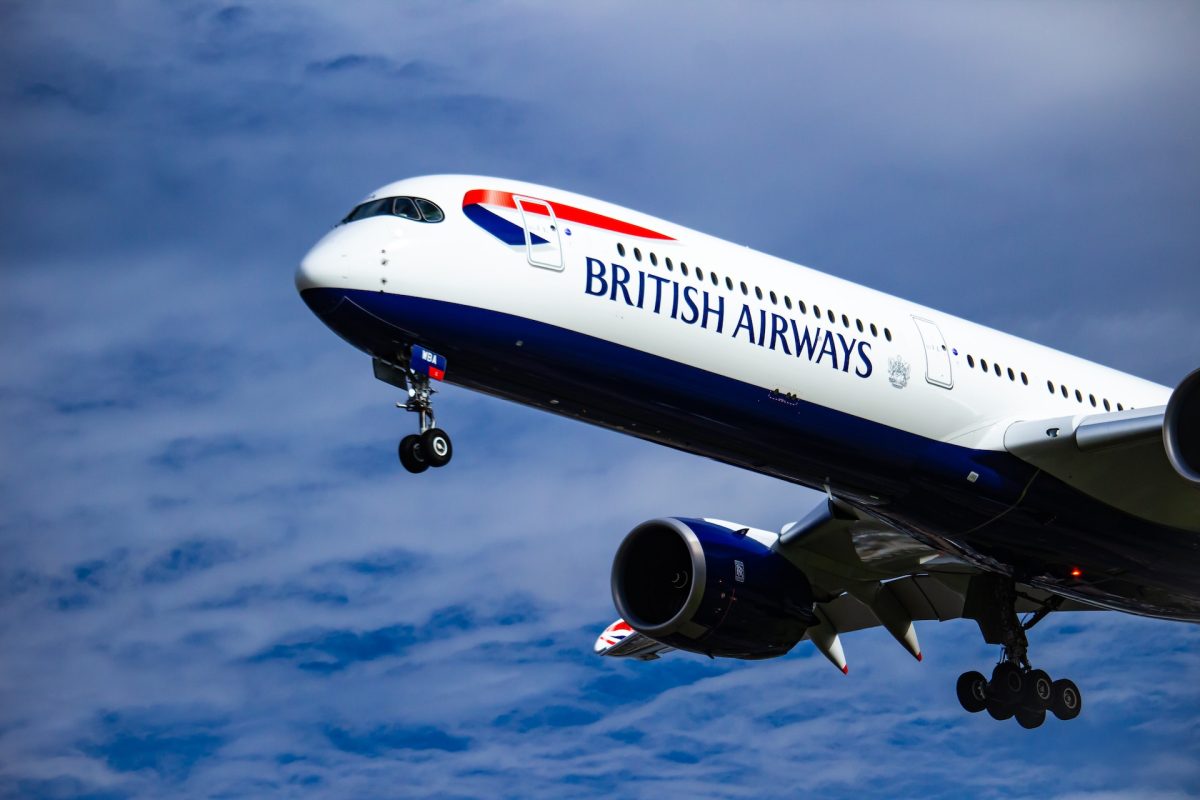
Within hours, Norwegian replaced its Instagram profile picture with British Airways' blue peacock logo. The airline could have made this awkward or begrudging. Instead, they leaned into it with style. Their post read simply: "Well played. While the tournament is over for us, this friendly bet will forever live in all our hearts."
What made this move work wasn't the loss itself, but how Norwegian responded to it. The airline genuinely congratulated their rival and extended wishes for England's success in the remainder of the tournament, even joking that they hoped the Three Lions would "bring football home." There was zero bitterness in the message, which made it feel authentic rather than performative.
British Airways, for their part, matched the energy perfectly. They posted that the rivalry had lasted only 90 minutes but promised a lasting friendship. The London-based carrier drew a comparison to footballers Erling Haaland and Jude Bellingham, suggesting the two airlines felt a "blossoming friendship." They even jokingly offered to send return flights to the Norwegian social media team, with a promise to "be in touch."
Turning Defeat Into Opportunity
What happened next is where Norwegian showed real marketing intelligence. Rather than fade away after their loss, they pivoted. Within hours, the airline launched a flash sale on flights to what they branded as "Norwenglish" destinations, asking followers: "Well played, England. Fancy a trip to Norway?"
This move transformed a defeat into a completely different kind of victory. Instead of disappearing after losing the wager, Norwegian used the moment to drive actual business while maintaining the goodwill they'd built. The bet gave them permission to be funny and self-deprecating, qualities that actually make brands more likable to travelers.
Why This Moment Matters for Travel
The exchange between these two carriers became one of the tournament's most talked-about brand interactions, but not because of hype or flash. It worked because both airlines understood something simple: humor and sportsmanship beat corporate polish every time. British Airways has built recent campaigns around crew stories, and this moment fit that pattern of humanizing the brand.
For travelers watching this unfold, the message was clear. These aren't faceless corporations fighting for market share. They're organizations run by people who can laugh at themselves and celebrate their competitors. That kind of authenticity matters when you're choosing which airline to book.
What began as a cheeky social media bet turned into proof that the best brand moments happen when companies take themselves less seriously and their audiences more seriously. Norwegian and British Airways didn't invent anything revolutionary. They simply showed up with personality, kept their promises, and let the moment breathe. In a world of calculated content calendars and focus-grouped messaging, that feels genuinely refreshing.