The European Union's ambitious new border control system was supposed to make travel safer and more organized. Instead, it's turning airport terminals into holding pens and leaving passengers stranded on the tarmac.
The Entry-Exit System (EES) began rolling out in autumn 2025 and was fully implemented by spring 2026. The idea sounds reasonable enough: visitors from outside the EU register their fingerprints and facial images, creating a digital footprint that security officials can track. What the architects didn't fully account for was peak summer season at Europe's busiest travel hubs.

Chaos Spreading Across Europe's Airports
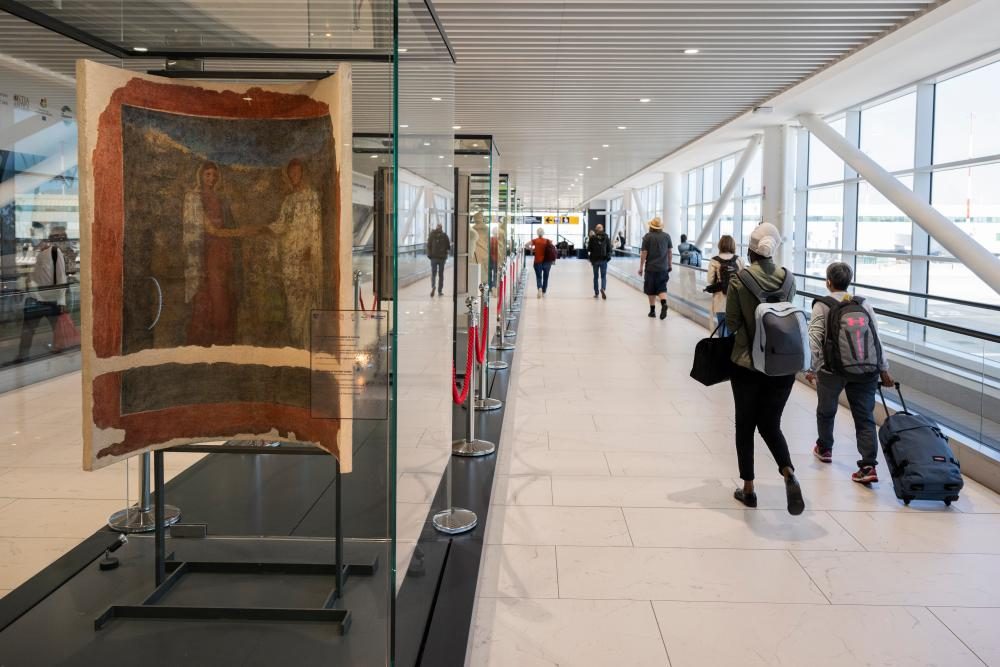
Since the system went live, travelers have endured scenes that belong in a dystopian film. At Lisbon's Humberto Delgado airport, police flooded terminal hallways to manage snaking queues. Milan watched over 120 passengers miss their Manchester flight because the EES enrollment process turned a routine departure into a waiting game. Palermo airport? One border officer. Hundreds of passengers. The math doesn't work, and neither do the queues.
The European Commission extended flexibility until September 2026 in May, acknowledging that airports needed breathing room. But even that grace period looks optimistic. Uku Särekanno, the director of Frontex (the EU's border security agency), has warned that disruption could stretch for two full years. Industry economists estimate the financial hemorrhage at over 45 billion euros in lost visitor spending across the continent.
Greece already made its move, unilaterally suspending EES checks to protect its tourism sector. Now Rome is following suit. Marco Troncone, CEO of Aeroporti di Roma (which runs both Fiumicino and the smaller Ciampino airport), told the Financial Times that summer traffic volumes simply cannot coexist with the EES enrollment process. "The process proves to be incompatible with the peak volumes that we are going to face," he said. "There is no way that we can deliver 100 percent of the enrollment."
His blunt assessment reflects the reality on the ground: airport operators are bracing for unprecedented delays if they try to run the system at full capacity during peak travel months. Sometimes the most intelligent move is to acknowledge that a system needs time to mature.
A Patchwork of Rules That Keeps Changing
The real problem isn't just operational overload. It's the widening gap between what different countries and airports are actually doing. Stefan Schulte, president of ACI Europe (the airport industry trade body), argues that any suspension decision should come from national governments, not individual travel hubs. That sounds orderly on paper. In practice, it's creating a messy patchwork where the rules depend on which airport you're leaving from, which country you're visiting, and which day you're traveling.
Travelers caught in this crossfire have no clarity about what to expect. Do you need three hours for a domestic EU flight from Rome? What about from Milan? The answer keeps changing, and nobody seems confident about the future. Border chaos could linger for two years, officials warn, which means summer 2026 might become the worst travel season in recent memory if airports don't get relief.
What This Means for Your Summer Plans
If you're booking flights to Rome, Milan, Lisbon, or anywhere else in Europe this summer, pad your schedule generously. Expect longer airport arrival times. Check the latest updates from your specific airport before you leave home. And consider whether you can travel slightly off-peak, even by a few days, to avoid the worst crowds.
The EU's intention to strengthen border security is sound. The execution? That's where everything falls apart. Sometimes big systems need real-world testing, feedback, and adjustment. Rome's decision to pump the brakes is pragmatic. Whether the rest of Europe will follow, and whether these pauses will actually solve the problem, remains to be seen.