Your next holiday might come home with you in ways a souvenir never could. New research from a February 2026 survey of over 27,000 travelers across 28 European countries reveals something striking: nearly half of Europeans (48%) now plan to spend at least part of their summer vacation acquiring a new skill. And they're not doing it reluctantly. The shift reflects a broader truth about how we travel today.
Gen Z is leading this charge. Among 18-to-24-year-olds, 57% have already booked a skill-focused trip for the year. Those aged 24 to 34 aren't far behind at 52%. Even across all age groups, more than a third have committed to booking an experience designed to teach them something. The numbers suggest this isn't a passing fad but a fundamental change in what travelers value.
Why skills matter more than things
Here's what separates this trend from typical tourism: travelers themselves say a trip feels more meaningful when they walk away with knowledge (51% of respondents). Even more telling, 48% now view learned skills as better keepsakes than souvenirs. The shift from collecting objects to collecting experiences has been building for years, but this research shows it's reaching critical mass.
Two in five tourists will happily pay extra for trips that teach them something. That's significant. Local business owners in smaller towns and rural areas are starting to notice. Wine workshops in France, pottery classes in Spain, cheese-making in the Netherlands, yoga retreats in Greece, traditional weaving in Portugal, perfume creation, and even Dala-horse painting in Sweden are becoming serious revenue drivers for regions that don't always capture mainstream tourism attention.
What travelers actually want to learn
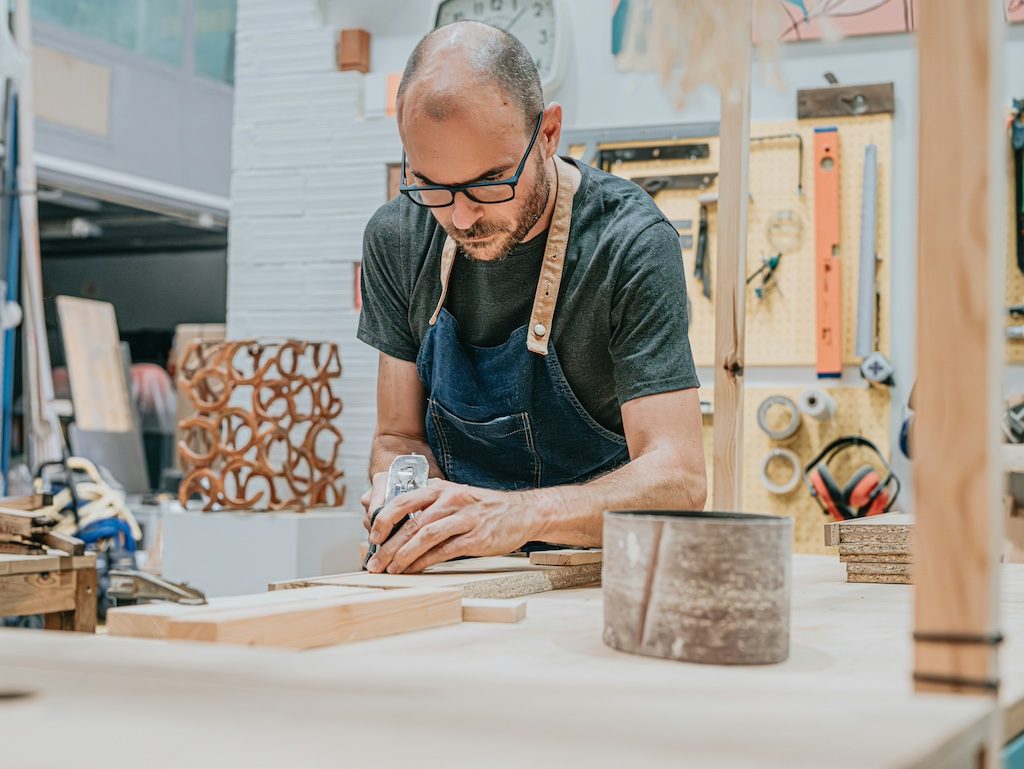
The wishlist is diverse but predictable. Languages top the charts at 30% of travelers wanting to practice conversation with locals. Cooking workshops come next at 28%, with food production courses (cheese-making, wine appreciation) equally appealing. Wellness activities like yoga, meditation, dance, and martial arts attract 25% of travelers. Traditional crafts, woodworking, pottery, weaving, and textiles interest 24%.
Regional preferences reveal personality. Northern Europeans gravitate toward food and drink production. Southern Europeans prefer hands-on cooking with local chefs. A passion for creative arts stretches down the spine of Europe from Denmark through Italy. The Benelux region stands out for wellness and movement-focused experiences. This geographic split matters for locals planning what to offer.
How this reshapes travel itself
Here's where the impact gets interesting. Skill-based travel naturally pulls visitors away from overcrowded city centers into smaller towns, rural villages, and quieter seasons. This helps spread tourism's economic benefits more evenly across regions that rarely see international visitors. As one economist noted, the trend moves people beyond "the crowded hotspots and into smaller towns, rural areas and quieter seasons, helping to spread tourism's benefits more evenly."
For Europe's tourism sector, which employs one in nine people and accounts for 10.5% of EU GDP, this represents a real opportunity. Small and medium-sized businesses now have a way to compete with conventional tourist attractions. A family-run pottery studio in rural Italy or a traditional textile workshop in the Balkans can suddenly attract international clientele willing to pay premium rates for authentic, meaningful experiences.
Europeans are packing bags like never before, and destinations need authentic offerings to attract them. This trend also connects to broader patterns in how travelers think about leisure. Airbnb's expansion into bookable experiences and similar moves by other platforms show the industry is adapting fast.
The takeaway is simple: your next trip abroad could transform you in ways that sit on a shelf cannot. Whether you're learning to make pasta in Bologna, paint like the locals in Dubrovnik, or master the fundamentals of French cheese in the Loire Valley, the vacation itself becomes the souvenir.