Flying demands focus, precision, and the ability to stay calm when things go sideways. On July 4th near Toledo in Córdoba province, Argentina, a young pilot named Rosario got a crash course in all three when her training flight turned into something no simulator could prepare her for.
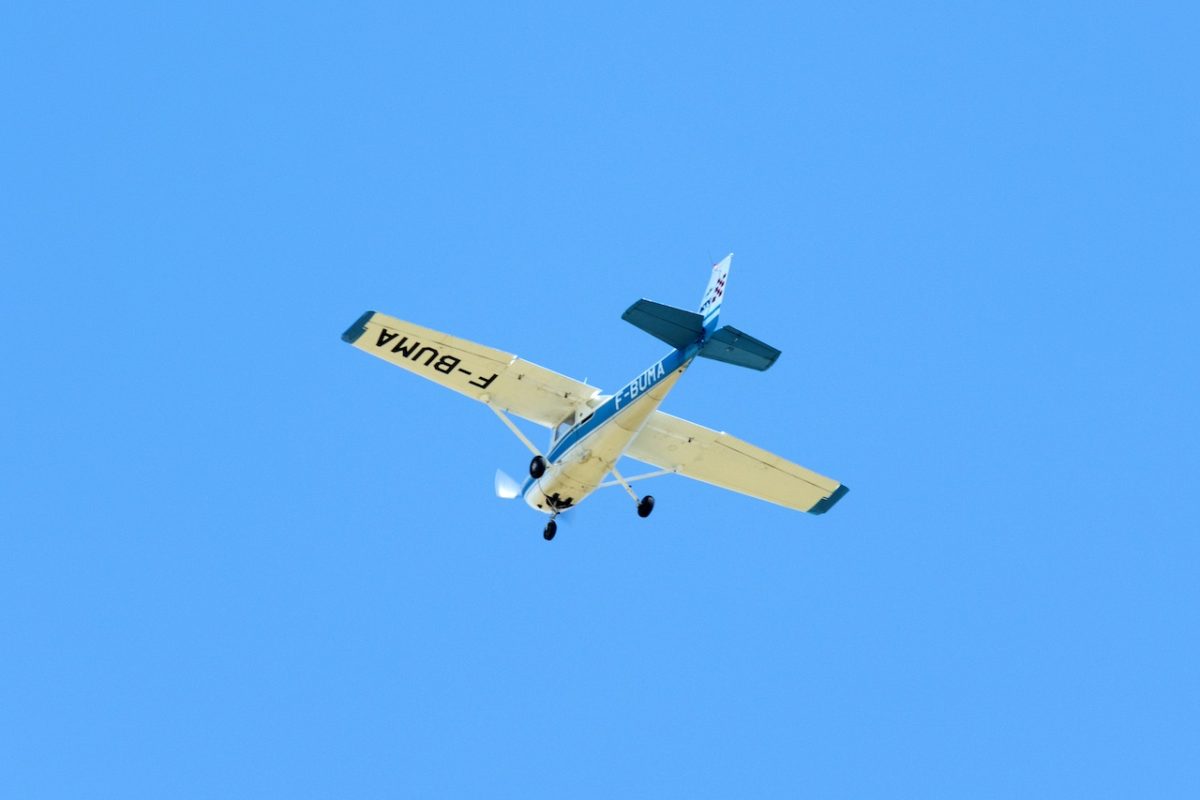
Rosario was already licensed to fly a Cessna 150. She was still building the flight hours required to advance her credentials, working with 42-year-old instructor Leandro Andrés Bertazzo from the Flying Parrot Córdoba flying school. What started as a routine training session became the stuff of aviation legends.
Around 850 feet above the ground, Bertazzo did the unthinkable. He removed his headset, unbuckled his seatbelt, and opened the cabin door. Before stepping out of the aircraft, he turned to his young student and said simply: "You know what you have to do. Carry on." Then he was gone.
Rosario's first thought? That he was joking. The horror of the situation didn't register immediately. But alone in the cockpit with controls to manage and an airfield ahead, she didn't fall apart. Instead, she flew. She navigated back toward the airfield, configured the plane for landing, and brought the aircraft down without so much as a scratch. Only then did she alert emergency services and help authorities locate where Bertazzo had fallen.
The incident rattled Argentina's aviation community and sparked an ongoing investigation. Eduardo Álvarez, the flying school's director, struggled to explain what happened. "He made this tragic decision on board an aircraft with another person by his side," Álvarez told Argentine broadcaster TN. "It's impossible to think about it or understand it, but the human mind is so complex." Colleagues described Bertazzo as experienced, well-liked, with a great smile. Later reports suggested he had been wrestling with personal difficulties and had sought psychiatric treatment before his death, though his struggles weren't obvious to those he worked with.
Rosario's composure under extreme duress became the story. Aviation professionals were quick to point out that pilots are trained for engine failures, weather emergencies, and technical problems, but nothing in the curriculum prepares you for your instructor vanishing. She didn't panic. She didn't freeze. She flew the plane home. Her ability to function under those circumstances has been described as extraordinary, and it is.
The case has drawn international attention not just for its tragic nature, but because it revealed something profound about human resilience. When the worst imaginable thing happens at 850 feet, some people break. Rosario didn't. She did what pilots do. She flew.
For travelers and aviation enthusiasts, the incident serves as a sobering reminder that flying, even routine training flights, remains a serious enterprise. While commercial aviation maintains extraordinary safety records and protocols, the human element remains unpredictable. Understanding how aviation systems work and evolve across regions can give passengers greater confidence in the engineering and oversight that keeps them safe.
Rosario's story will likely stay with the aviation world for years. She demonstrated that training, composure, and instinct can overcome even the most shocking circumstances. In a profession built on precision and protocol, she became a symbol of human capability when everything falls apart.