When military activity erupted across the Middle East earlier this year, the ripple effects were immediate and severe. Commercial flights over the Gulf region came to a grinding halt on February 28. Passengers faced cancellations. Airlines scrambled. Cargo networks fractured. For most carriers, this kind of disruption spells disaster.
Not for Emirates. Sheikh Ahmed bin Saeed Al Maktoum, the airline's chairman and chief executive, just released the group's latest financial results, and they tell a remarkable story of resilience. The Emirates Group posted a profit before tax of US$6.6 billion for the year ending March 31, 2026, up 7 percent from the previous year, with revenues climbing to US$41 billion. How Emirates managed to turn crisis into record profits reveals far more than simple luck.
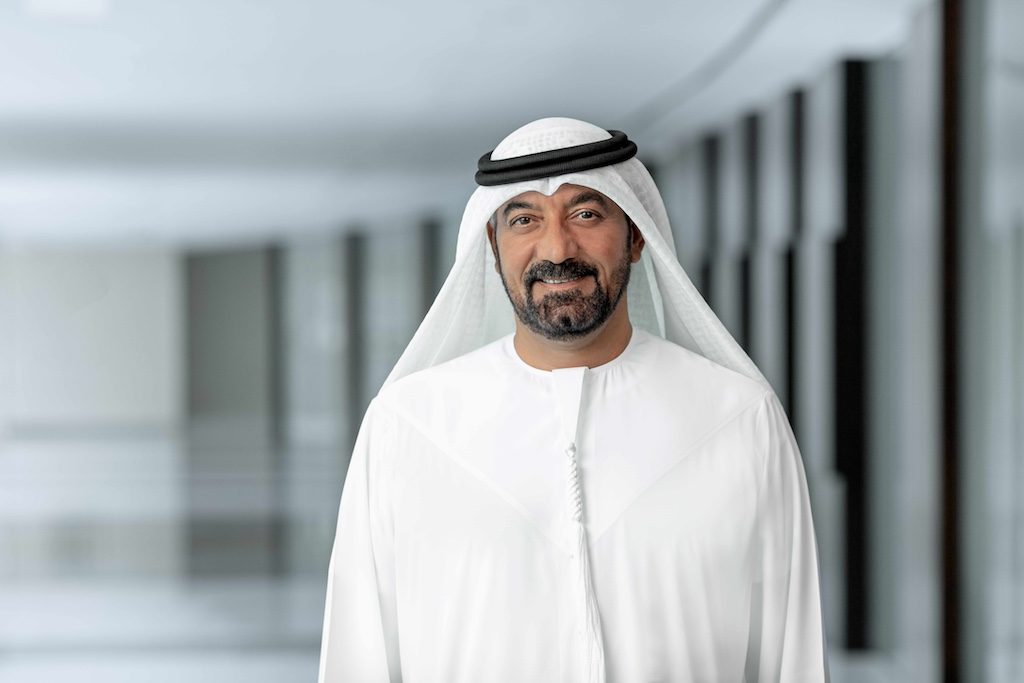
The airline's leadership didn't wait for stability to return on its own. Instead, Sheikh Ahmed emphasized what he calls "resilience and agility." Emirates secured fuel supplies through 2028-29, locking in protection against the kind of shortages that have crippled competitors elsewhere. The company's sprawling operation, which includes the dnata ground handling network, gave it the flexibility to absorb the shock and adapt quickly.
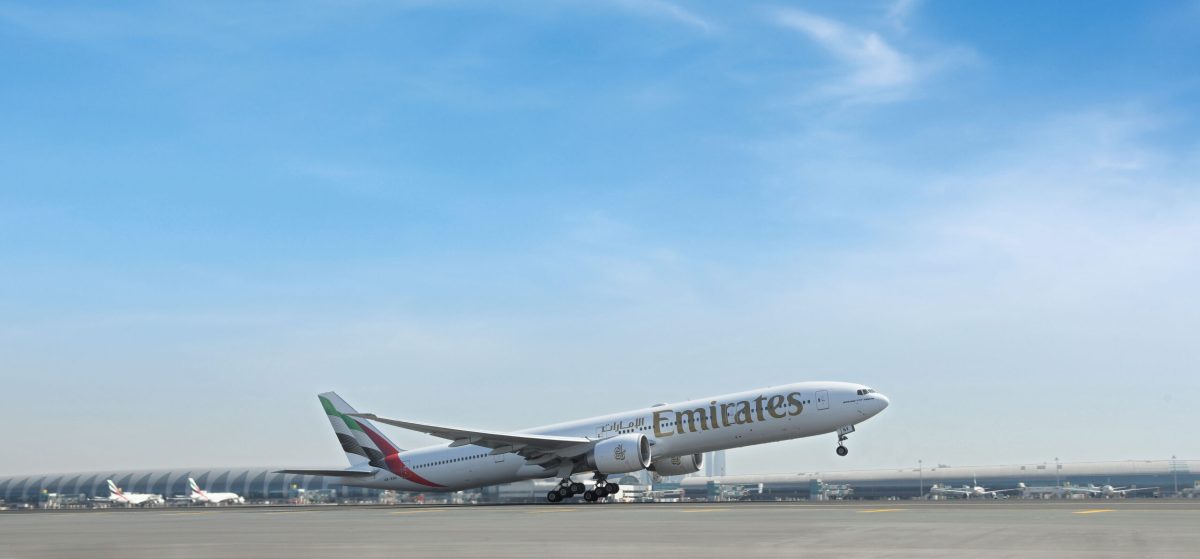
When flights resumed at Dubai International Airport, Emirates and dnata shifted gears with impressive speed. Passenger operations gradually ramped back up, though capacity remains below pre-disruption levels. Cargo operations, meanwhile, surged to fill the gap, moving essential goods and maintaining revenue streams when passenger travel couldn't. Dubai's long-term infrastructure investments in airport facilities and coordination with authorities created the safe corridors that made this recovery possible. The city's position as a nexus of global trade proved invaluable when traditional routes faced uncertainty.
Geopolitically, a ceasefire agreement currently holds, though tensions remain. Sheikh Ahmed called openly for a "clear resolution" to the hostilities, acknowledging that both his company and the broader aviation sector have weathered "significant challenges." He framed it not as defeatism but as a statement of fact: the group has bounced back from crises before, and each time it emerged stronger.
For travelers, the implications are straightforward. Emirates continues investing in new aircraft deliveries, retrofit programs, and facilities, signaling confidence that the worst has passed. Strong cash reserves support this forward momentum.
The broader travel landscape has already begun shifting. Some passengers rerouted away from the Middle East entirely, seeking alternative hubs. But those willing to fly through Dubai and the Gulf region found an airline that didn't waver, didn't panic, and kept operating. That stability, in an unstable moment, became invaluable.
As regional tensions ease and diplomatic conversations continue, the aviation sector faces what comes next. For Emirates and those depending on Gulf hubs for global connectivity, the answer seems clear: prepare for anything, move fast when disruption hits, and trust in the infrastructure and investments built over years of growth. The financial results suggest that strategy works.