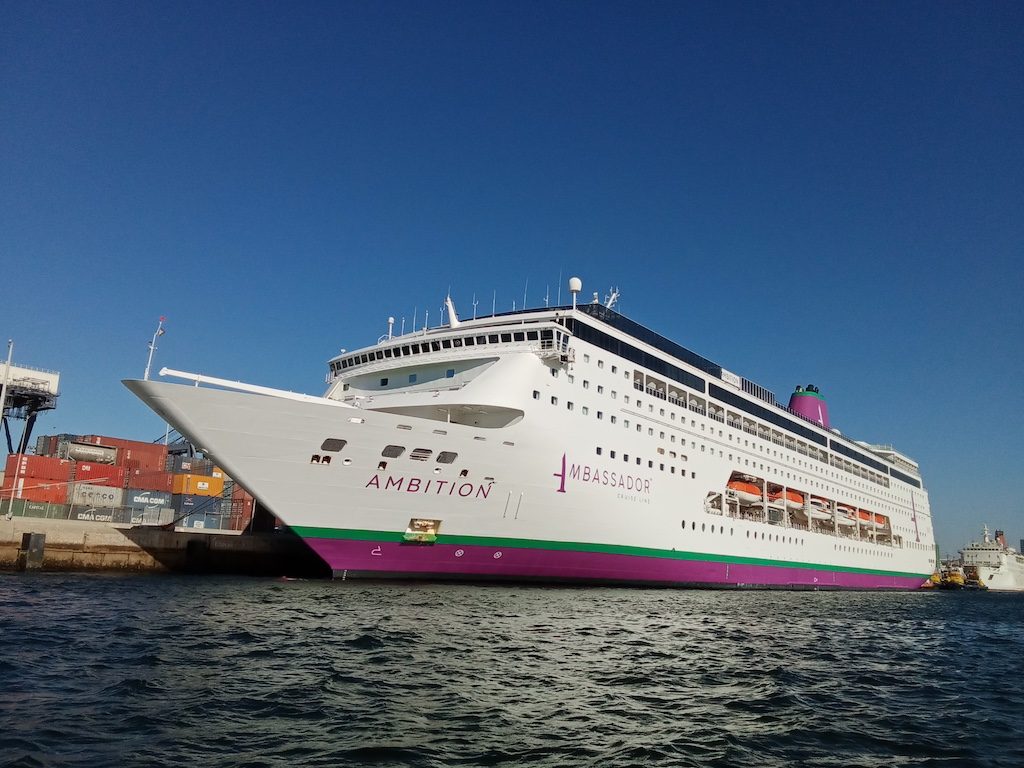
A week of uncertainty for cruise passengers ended on a better note when French health authorities cleared the majority of travelers aboard the Ambition to leave the ship in Bordeaux. The Ambassador Cruise Line vessel had been held in the port after an outbreak of stomach illness swept through its cabins, leaving travelers and crew anxious about what came next.
When the Ambition pulled into Bordeaux on May 13, it carried 1,233 passengers (most from the United Kingdom and Ireland) plus 514 crew members. All of them faced an unexpected pause in their voyage. At the height of the outbreak, roughly 80 people reported gastrointestinal symptoms, with the most cases emerging earlier in the week while the ship was docked in Brest. Officials ordered everyone to stay onboard pending test results, a precaution that turned a relaxing European getaway into a medical standoff.
A Scare That Turned Out to Be Much Milder
Initial fears pointed to norovirus, the notorious stomach bug that has earned cruise ships a reputation for viral outbreaks. The highly contagious virus can spread like wildfire through close quarters, causing vomiting and severe gastroenteritis. Those concerns were justified given the setting, but French health authorities eventually ruled out norovirus through testing. Instead, they confirmed a mild viral infection with no serious complications. Food poisoning also remains under investigation as a possible culprit, though the findings suggest nothing catastrophic happened aboard the ship.
For travelers worried about cruise travel's hidden health risks, this outcome offered reassurance. Passengers showing symptoms were instructed to isolate in their cabins, while those feeling fine received clearance to disembark and continue exploring France. The distinction mattered enormously for people whose plans had just been derailed by medical uncertainty.
Separating Facts from Speculation
The situation was complicated by another tragedy that caught public attention. An elderly passenger died during the voyage, a 92-year-old man whose heart attack occurred before the ship reached Brest. Some early reports had suggested a possible connection between his death and the outbreak, feeding worries that something more dangerous was unfolding. Authorities moved quickly to clarify that his death was entirely unrelated to the gastrointestinal illnesses, putting that anxiety to rest.
Comparisons to other cruise health incidents also made headlines, particularly a suspected hantavirus cluster reported on the MV Hondius after a voyage from Argentina. French health officials emphasized no connection existed between the two separate incidents. While gastroenteritis remains relatively common and typically mild, hantavirus is significantly rarer and far more severe, making the distinction important for public understanding.
How a Ship Responds When Illness Strikes
Once the outbreak was detected, Ambassador Cruise Line and French authorities implemented enhanced sanitation measures that transformed daily life aboard the Ambition. Cleaning crews intensified their protocols across all public areas. Dining service shifted to assisted seating rather than buffet-style service. The ship provided reinforced hygiene guidance, emphasizing regular handwashing and encouraging passengers and crew to report symptoms immediately. These practical steps aimed to contain spread and restore passenger confidence.
The operator released a statement confirming its commitment to health and safety procedures aligned with public health standards. Working closely with local authorities, the company managed a delicate balance between protecting travelers and maintaining operational continuity. For future cruise passengers, this incident underscores how cruise lines now respond to health concerns with visible, documented action rather than silence.
Back on Course
The Ambition departed the Shetland Islands on May 6, calling at Belfast and Liverpool before reaching Bordeaux. Once French authorities granted final clearance, the ship was expected to resume its itinerary toward Spain. For the vast majority of passengers, the delay in Bordeaux became an unplanned but manageable interruption to their voyage rather than the health crisis early reports suggested. The mild diagnosis and swift resolution offered a reminder that not every cruise health incident becomes a major outbreak, though vigilance remains essential when illness appears in close quarters.