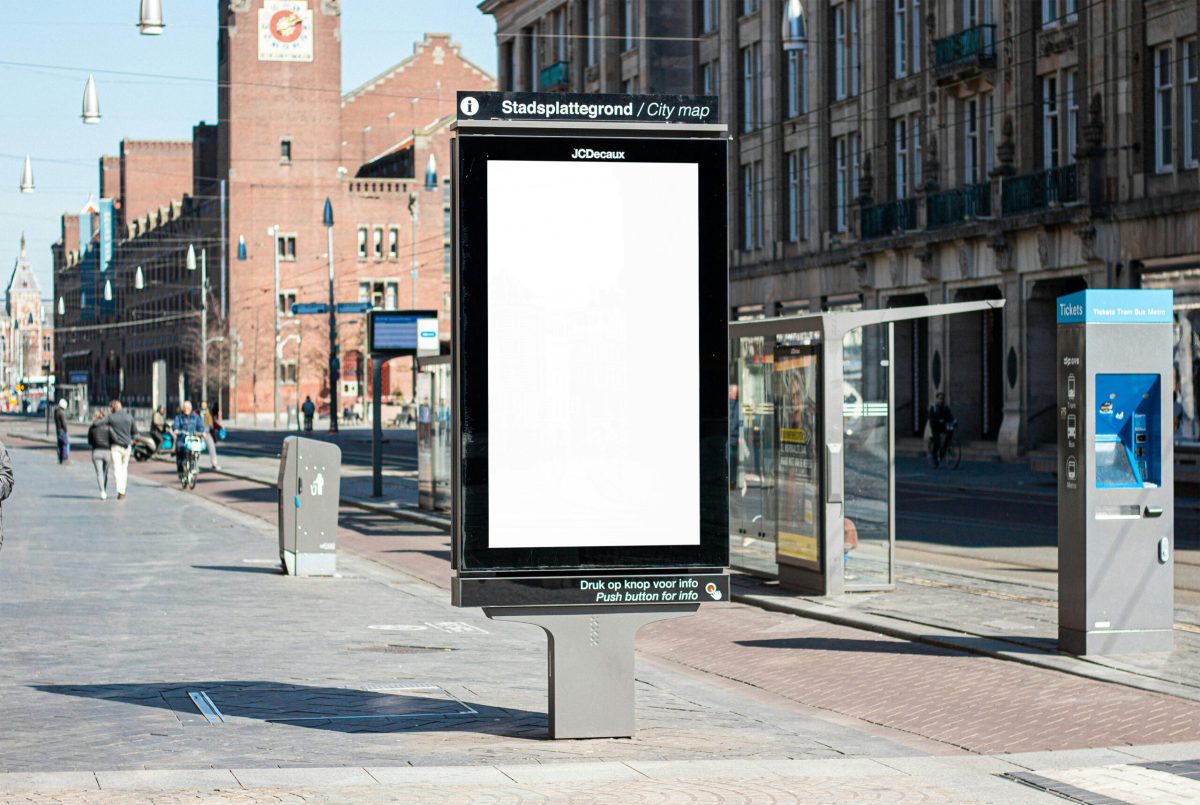
When you step out of Amsterdam's Central Station these days, the billboards tell a different story. Gone are the images of sizzling steaks and shiny SUVs. In their place: cultural events, museum exhibits, local attractions. Starting May 1st, the Dutch capital became the first major city in the world to ban public advertising for both meat and fossil fuels across trams, metro stations, street signs, and every other publicly owned advertising space.
This isn't some mild corporate nudge toward sustainability. The rules are sweeping. Airlines promoting cheap flights, cruise lines selling vacations, petrol and diesel car dealers, chicken producers, fish vendors, beef distributors - all banned from public advertisements. It's the kind of policy that makes you wonder what you're actually looking at when you ride the tram.
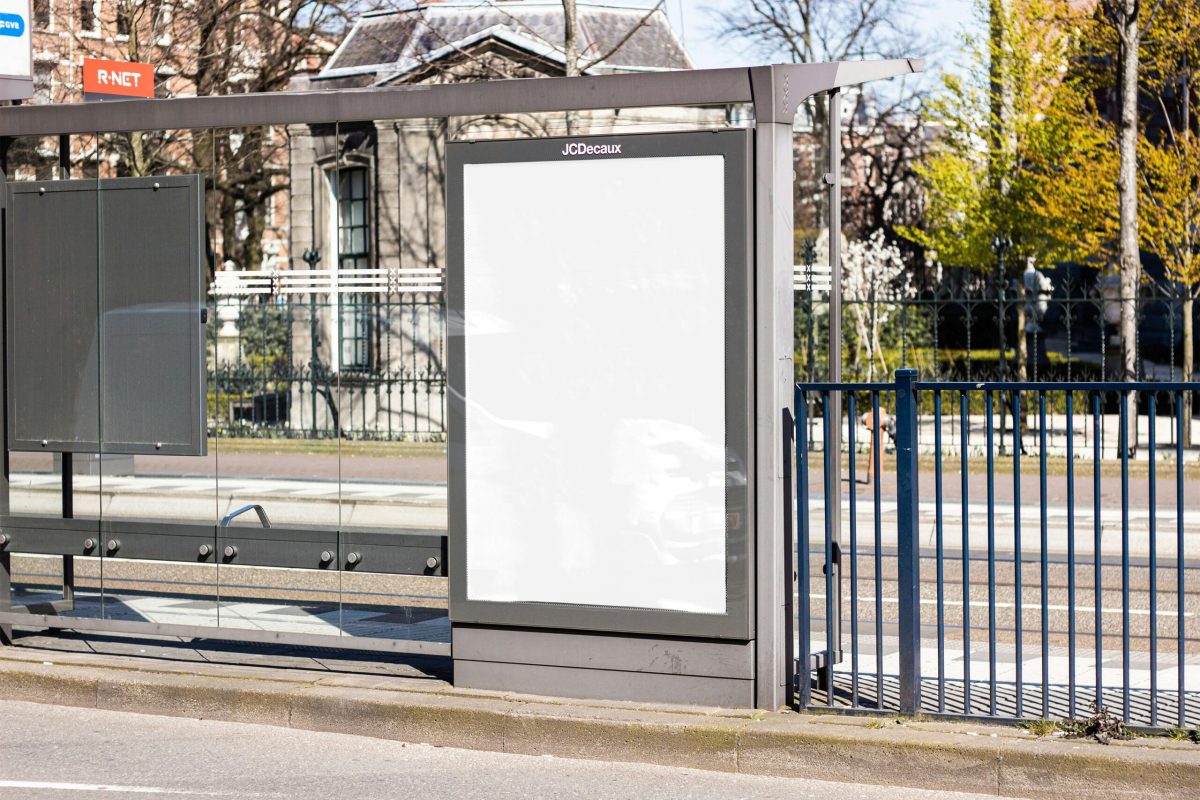
The city's logic is straightforward: if you're serious about reaching carbon neutrality by 2050, you can't fill your public spaces with messages encouraging the opposite. Amsterdam has been building toward this for years, gradually restricting dirty vehicles and championing cycling culture and plant-based eating. This advertising ban represents the next step, removing a subtle but powerful force that shapes how residents think about consumption.
How a City Actually Moves on This
Environmental activists have been celebrating the move, drawing comparisons to how tobacco advertising gradually disappeared from public view decades ago. Hannah Prins, a climate campaigner, points out that future generations may look back at fossil fuel and meat ads with the same bewilderment we now reserve for cigarette billboards. It's a compelling argument: advertising shapes culture over time, normalizing choices we barely question.
The campaign group Reclame Fossielvrij (Fossil Free Advertising) had been pushing this policy for years, arguing that promoting high-carbon consumption fundamentally contradicts the city's climate commitments. Their persistence finally paid off when Amsterdam's city council formally approved the ban earlier this year. Nearby Haarlem had already introduced restrictions on meat ads in 2022, but Amsterdam's extension to both meat and fossil fuels across such a major capital is unprecedented.
Interestingly, Amsterdam isn't operating in a legal vacuum here. When The Hague attempted a similar advertising ban, the travel industry launched a court challenge, claiming it violated free speech and European trade law. A Dutch court rejected those arguments, ruling that public health and climate objectives clearly justified the restrictions. That legal precedent gave Amsterdam confidence to go bigger.
Not Everyone's Celebrating
The advertising and travel industries have pushed back hard, arguing the policy unfairly restricts commercial freedom and targets products that are perfectly legal. Airlines, cruise operators, and agricultural businesses view this as overreach. They point out that consumers have the right to see what's available to them. Some worry other cities will follow Amsterdam's lead, creating a domino effect across Europe.
But Amsterdam's city authorities remain unmoved. The spaces that once promoted vacations to fossil fuel-dependent destinations now showcase local culture instead. Museums, theaters, galleries, and neighborhood attractions compete for the same billboard real estate. It's a subtle but visible shift in how the city communicates with itself about what matters.
For travelers visiting Amsterdam, the practical impact is minimal but symbolically significant. You'll still find restaurants serving every type of cuisine, travel agencies booking flights, and car rentals operating normally. The ban only affects public advertising, not actual commerce. But wandering the city, you'll notice something has shifted. The visual landscape itself is telling you something about priorities.
Whether this becomes a template for other capitals remains to be seen. What's clear is that Amsterdam has decided that when your city owns the advertising space, it gets to decide what messages it amplifies. That's a power other cities are watching closely.