The impulse to flee is real when you're navigating Brussels' cobblestone streets and chocolate shops. But here's the thing: you don't need to travel far. A short bus ride or tram journey takes you to some of Europe's most impressive botanical sanctuaries, each with its own personality and story baked into the soil.
Meise Botanic Garden: A Botanical World Tour
Imagine walking from a Moroccan desert straight into a rainforest, then strolling through a Victorian rose garden, all without leaving a single site. That's the experience waiting at Meise Botanic Garden, which sprawls across 92 hectares and houses roughly 18,000 plant species. This isn't just big; it's one of the world's largest, and it punches well above its weight in terms of what you can actually see and touch.
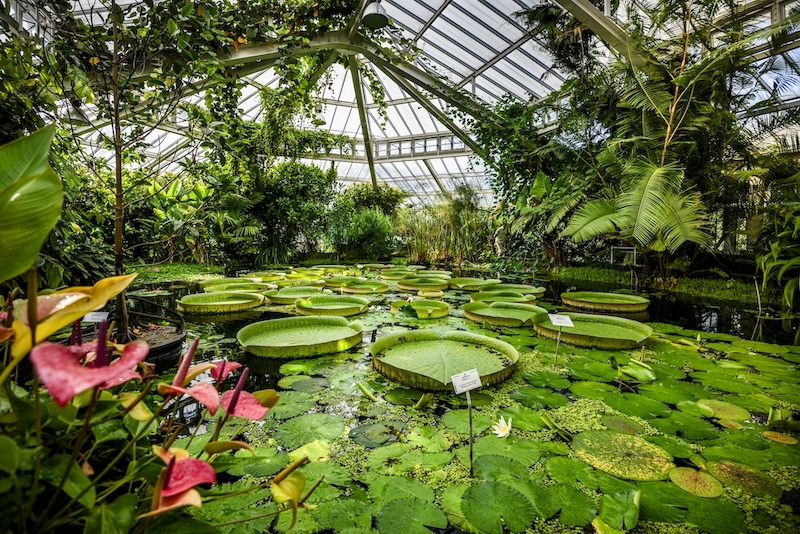
The real showpiece is the Plant Palace, a series of eleven interconnected greenhouses that function like a global climate simulator. You'll find everything here: medicinal herbs, culinary plants, the famous giant water lilies that visitors flock to photograph, and entire sections devoted to tropical rainforests and arid zones. Spring and summer explode with color across the outdoor gardens, but winter offers something equally compelling if you're willing to brave the cold.
Dominating the center of the estate is Bouchout Castle, a 12th-century structure that saw major renovation during the French Revolution, when the surrounding lands were reshuffled with ponds and exotic plantings. Later, it became home to Princess Charlotte, sister to King Leopold II and former Empress of Mexico, whose turbulent life still seems to whisper through the castle halls. While the castle itself is worth a tour, most visitors wisely focus their time on the gardens. Even an hour barely scratches the surface of what the greenhouses alone contain.
Getting there from Brussels is straightforward: bus or car will get you there quickly, and once you arrive, walking and cycling routes branch out toward nearby towns like Grimbergen and Vilvoorde. You could spend an entire day here without running out of things to explore.
Gaasbeek Castle and Its Museum Garden: Living History Through Food
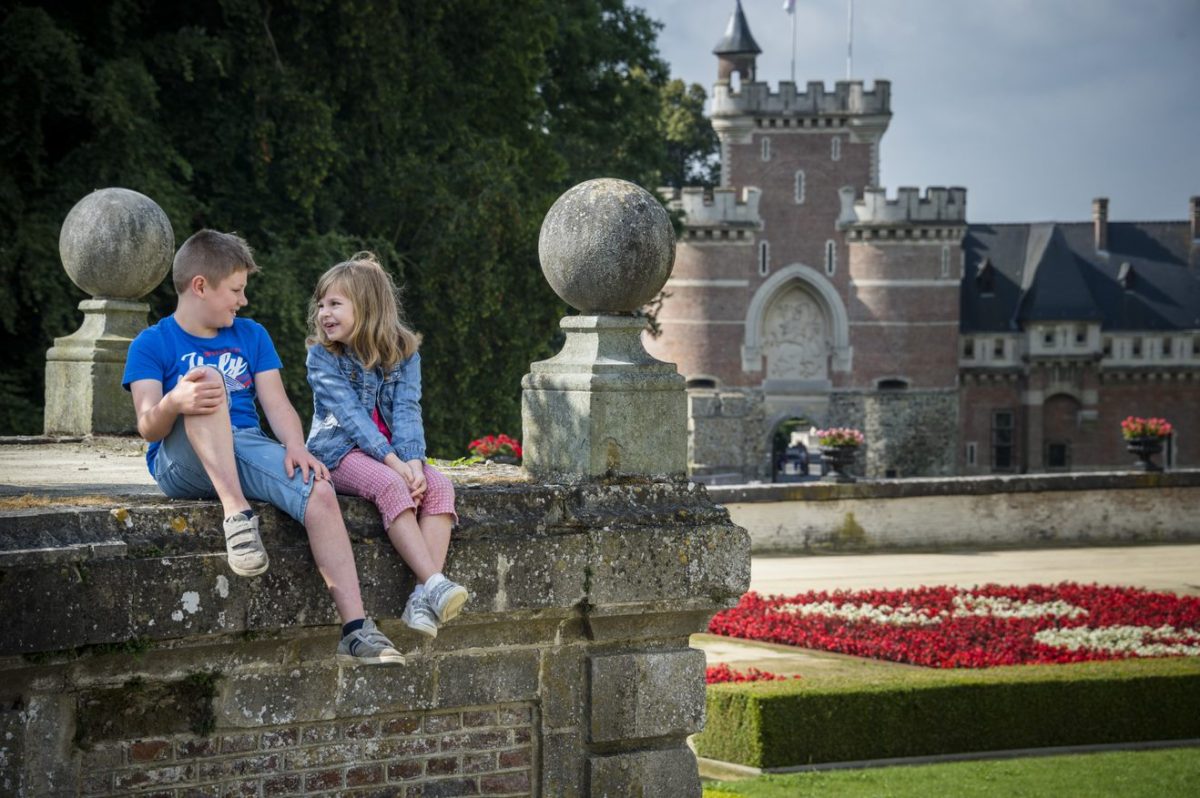
Built as a fortress in 1236 by Godfrey of Leuven, Gaasbeek Castle eventually became the personal vision of Marquise Arconati Visconti, who transformed it into a romantic neo-Renaissance home stuffed with art, metalwork, and stained glass before gifting it to the Belgian state in 1923. The castle itself demands attention, but save energy for what lies outside.
The museum garden is where Gaasbeek reveals something truly unusual. In centuries past, the castle's residents ate exclusively what they grew on-site, cultivating produce with none of the chemical shortcuts we now take for granted. Their gardeners were so skilled that apprentices traveled from across Europe to learn their methods. That legacy hasn't faded; it's been deliberately revived.
You'll walk through carefully reconstructed 18th and 19th century gardens featuring rare fruit varieties, heirloom vegetables most people have never heard of, and ornamental plants arranged exactly as they would have been. The espaliered fruit trees alone deserve your time, and the informational signs explain everything from beekeeping to historic preservation techniques. The wider park adds pleasure pavilions, a triumphal arch, and access to nearby green spaces like Groenenberg Park and the celebrated Coloma rose gardens (stunning in early summer).
Park of Tervuren: From Ducal Hunting Grounds to Vast Forest Network
The Park of Tervuren covers 205 hectares of what was once the Dukes of Brabant's private hunting territory. These days, it's a neoclassical landscape that invites wandering: ponds studded throughout, a formal French garden section, and the Warande forest with its gnarled oaks and beeches that look like they've been standing for centuries. They probably have.
Sprinkled across the grounds are relics of nobility, including the baroque St Hubert Chapel (1617) and what remains of the ducal palace. You'll also find the AfricaMuseum on the park's edge and the Tervuren Arboretum, where about 700 tree species from the northern hemisphere grow side by side. Tram 44 connects directly from Brussels, making it one of the easiest day trips from the capital.
But Tervuren is really just the gateway. Stretch your legs into the Brabantse Wouden National Park, a 10,000-hectare wild expanse stretching from the Hallerbos through the Sonian Forest and into Meerdaal Forest. Dense woodland, threading rivers, and open meadows create something genuinely biodiverse, offering endless options for long walks and cycling if you're willing to venture beyond the groomed park.
Timing Your Visit
Each site offers something different depending on when you show up. Spring and summer mean flowers and full foliage; autumn brings color; winter strips back the landscape, offering a different kind of quiet beauty. Most trips work best as full-day excursions, especially if you're combining a garden with nearby cultural stops or longer forest walks. Pack comfortable shoes, bring water, and allow yourself to move slowly. These aren't places to rush through.