Mark your calendar: El Niño is back. Not the soft news kind of back, but the kind that reshapes weather patterns across half the planet. The World Meteorological Organization just issued a stark prediction. Between now and November 2026, there is roughly a 90% chance we will be living under El Niño conditions. When it peaks, scientists say it will range from moderate to strong, layering itself on top of climate change that is already bending the planet's weather out of shape.
For travelers, this matters more than you might think. This is not some distant scientific curiosity. This is your monsoon season weakening, your ski resort lacking snow, or your beach holiday turning into a heat dome from which there is no escape.
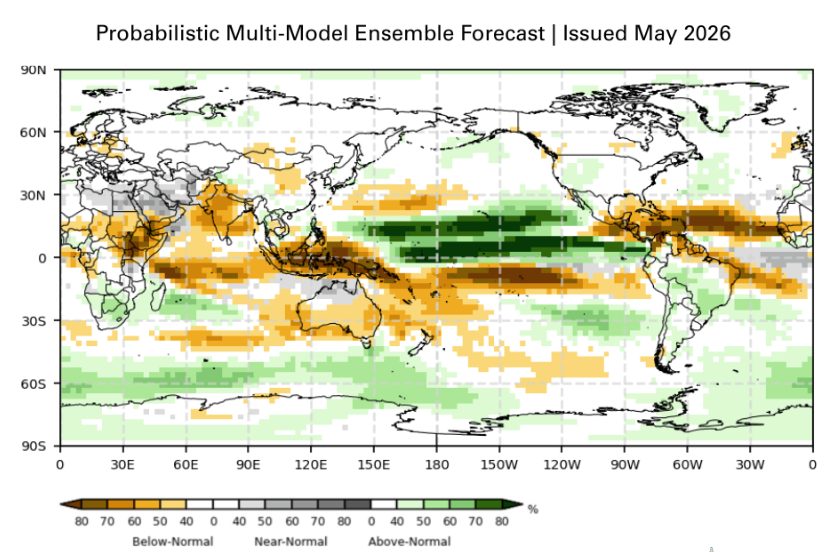
What El Niño Actually Is and Why It Disrupts Your Travel
El Niño is one half of Earth's most powerful natural climate rhythm, called the El Niño-Southern Oscillation. It strikes roughly every two to seven years and hangs around for nine to twelve months. The pattern kicks off when tropical Pacific waters warm far beyond normal. These heated waters pump energy into the atmosphere, which then reorders rainfall and temperature patterns from Indonesia to Peru to your backyard.
Think of it as Earth's climate system getting a new set of instructions. The typical timeline looks like this: development between March and June, peak intensity between November and February, and the biggest travel impacts arriving in year two after it begins.
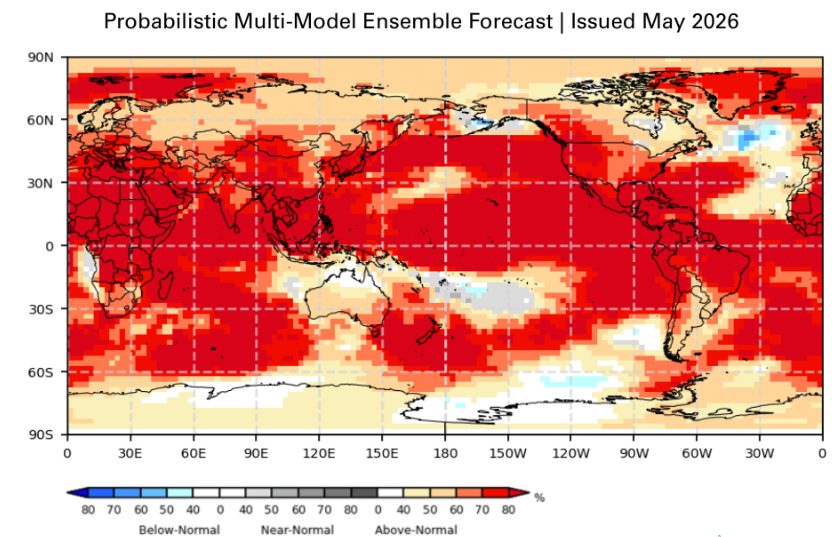
Where Heat and Drought Will Hit Hardest
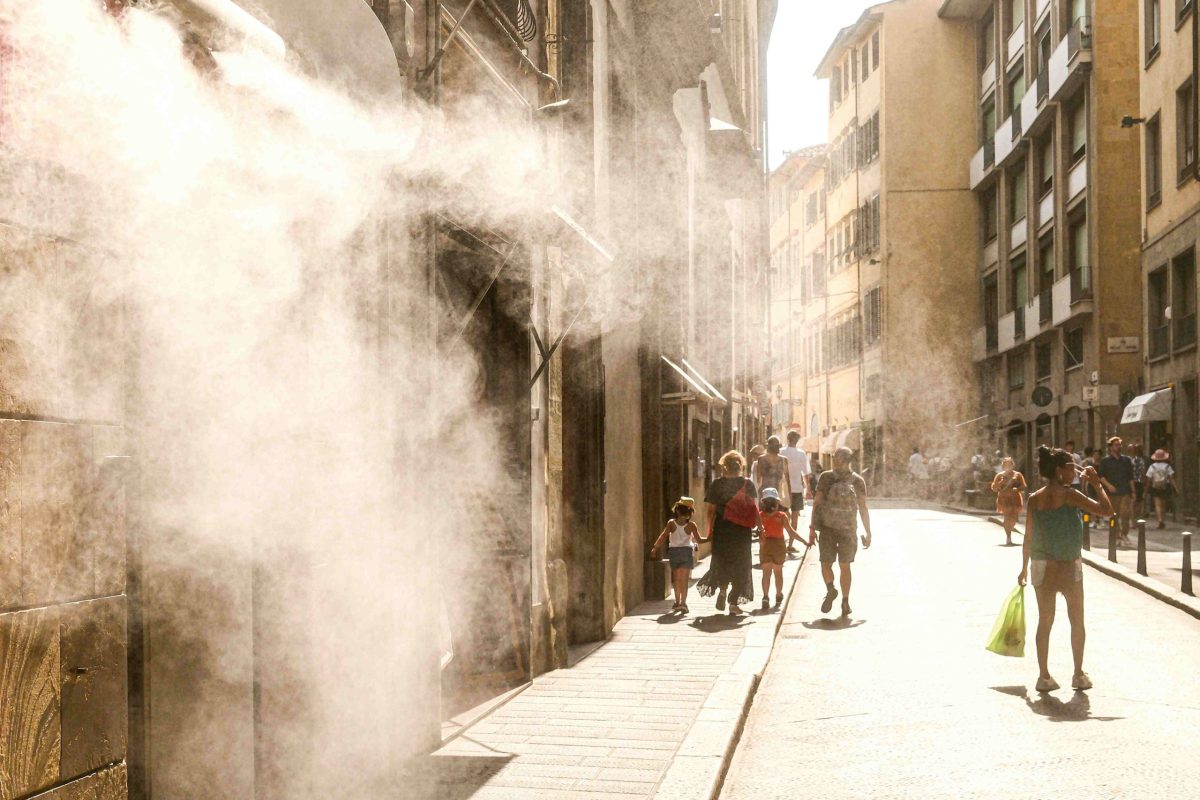
If this El Niño event proves strong, buckle up for some serious consequences. The American Southwest, Southeast Asia, and Australia face extended dry spells. Wildfires and droughts become not possibilities but probabilities. In India, monsoon rains could fizzle out. The southern United States, paradoxically, might get slammed with flooding as warmer Pacific waters charge the air with extra moisture.
The Men's FIFA World Cup, unfolding across Mexico, the US, and Canada from mid-June through mid-July, sits right in this crosshairs. Players and spectators alike could face dangerous heat. Shade, hydration, and staying indoors during peak afternoon hours become not comfort tips but survival strategy.
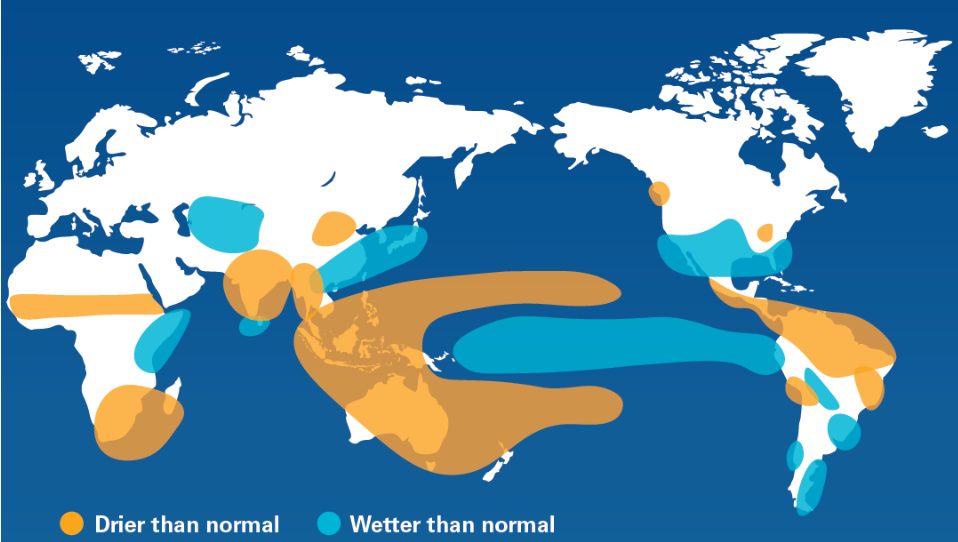
Northern Europe gets a different deal. The UK Met Office suggests El Niño may actually chill the end of the year there, which sounds great until you realize it means chaotic winter travel disruption by December 2026. The silver lining: some Alpine ski resorts might finally get proper snow cover after lean seasons.
Smart Travel Moves for an El Niño Year
Before booking anything, pull up your travel insurance fine print. Most policies treat extreme weather as an exclusion, which translates to one thing: you will not get your money back if El Niño floods your route or forces cancellations. Read carefully, ask questions, and consider upgrading to comprehensive coverage.
Shoulder seasons become your secret weapon in 2026. Instead of chasing the peak summer rush into drought-prone hotspots, travel in April, May, September, or October. The crowds thin out anyway. Meanwhile, cooler regions are trending hard right now. The Nordic countries, Iceland, and other northern destinations offer refuge from extreme heat. A "coolcation" is not just about escaping the thermometer. It is about traveling smarter during a year when Mother Nature is in a mood. Global travelers continue to venture out despite global tensions, but timing and location choice matter more than ever.
What This Means Beyond Your Vacation
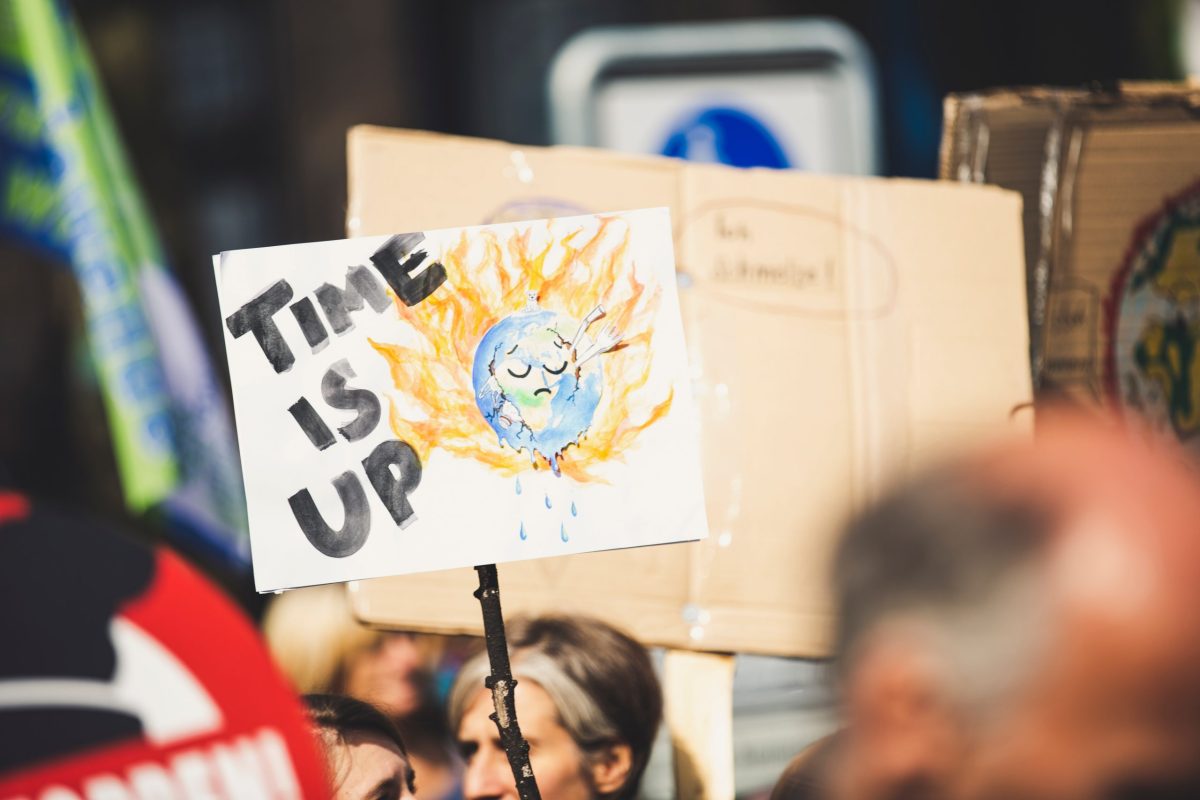
El Niño does not just affect flight prices or hotel availability. United Nations Secretary-General Antonio Guterres called it an "urgent climate warning," and for good reason. Stressed agriculture, decimated fishing stocks, and supply chain shocks ripple outward. Asia's energy choices compound these climate pressures. Wars in grain-producing regions and the Strait of Hormuz add another layer of fragility. Food prices will likely spike. Poverty deepens. The combination creates real hardship for millions.
The World Meteorological Organization and UN leadership are calling for climate action that matches the crisis: abandoning fossil fuels, racing toward renewables, building early warning systems, and protecting vulnerable populations.
Your 2026 Travel Strategy
So what do you actually do? First, stay informed. Climate forecasts improve monthly. Check WMO updates regularly as we get closer to your travel dates. Second, think flexibility. Build cancellation flexibility into your plans when possible. Third, consider contrarian destinations. While everyone else is sweating through Australia or Mexico, explore cooler, less-talked-about corners of the world. The Nordics will have visitors. But quiet corners of Central Europe, parts of Canada, and New Zealand offer extreme beauty without the extreme heat.
El Niño is arriving whether we are ready or not. Smart travelers will adjust their plans accordingly, choosing destinations and seasons that work with the weather, not against it. The result might be a trip that feels less predictable but far more memorable.