The global energy map is rewriting itself in real time, and Asia is the epicenter. When conflict disrupted oil supplies through the Strait of Hormuz, governments across the continent faced an urgent choice: find energy fast or watch their grids collapse. Their answer tells us something uncomfortable about how quickly climate promises evaporate under pressure.
When Shortages Become Policy
Liquefied Natural Gas supplies in Asia have nosedived by 80 percent, and roughly a fifth of the world's reserves are now trapped near Iran. The crisis hit an economy already stretched thin. Coal, meanwhile, sat waiting in warehouses across Indonesia, China, and Mongolia, ready to burn. Energy analysts quickly dubbed it "the fastest, cheapest way" to plug the gap. By March 2026, coal prices had surged 26 percent to $133 per ton in less than two months, and prices kept climbing as Europe and Asia both scrambled for supplies.
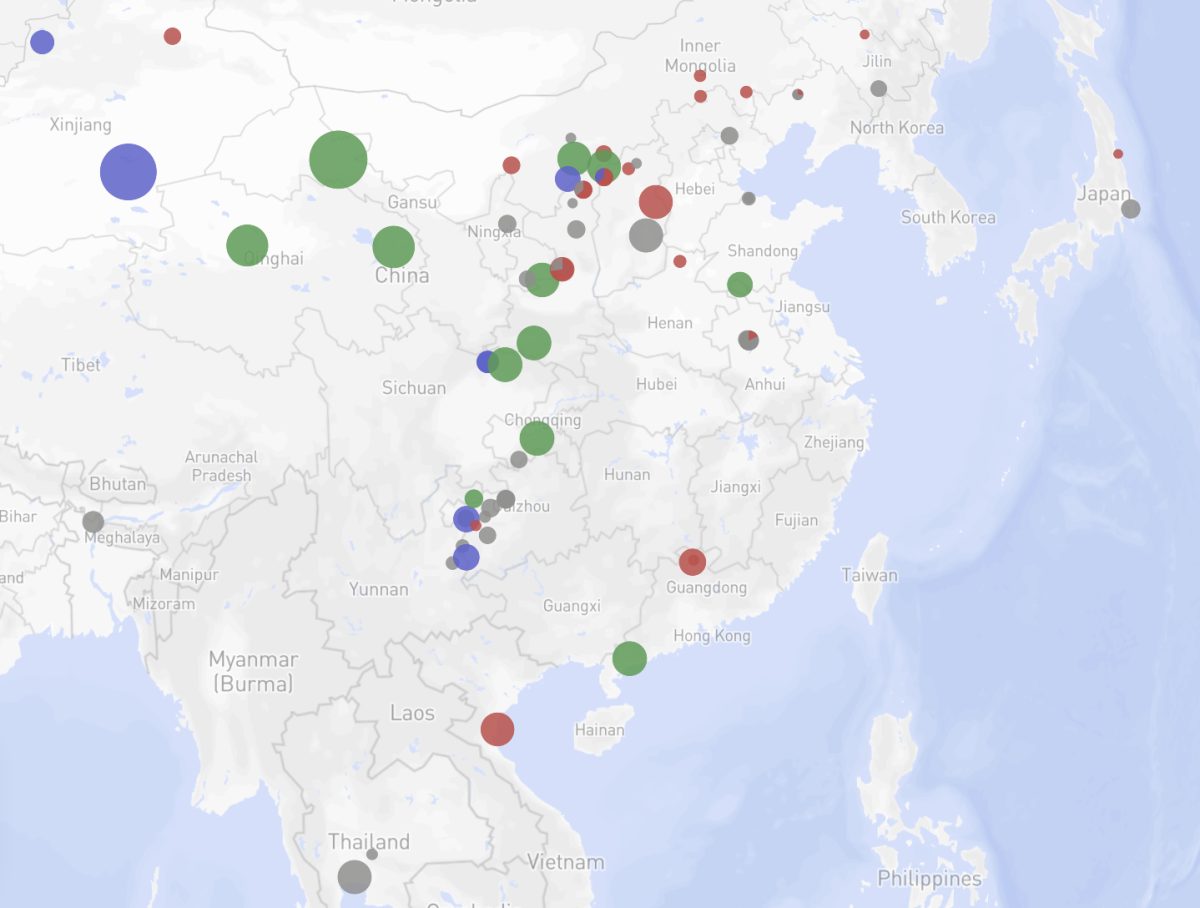
Within weeks, dominoes began falling across the region. Bangladesh cranked up coal imports and generation capacity. India, already 75 percent dependent on coal, pushed thermal plants to maximum output and scrapped scheduled maintenance shutdowns. South Korea postponed shuttering its coal plants until 2040 and slashed penalties for coal-powered electricity. Japan approved temporary relief from coal plant restrictions, letting aging, inefficient units keep operating. The Philippines declared a national emergency and ramped up coal burning. Vietnam started eyeing coal from the United States and Laos.
None of this was supposed to happen. These countries had made public commitments to phase out coal, reduce emissions, and transition toward renewables. But when the immediate need for electricity collided with the reality of supply shortages, those pledges bent fast.
Asia Is Now the World's Coal Powerhouse
The numbers reveal a staggering concentration. Asia consumed 83 percent of global coal in 2024, up from 49 percent in 2000 and just 28 percent in 1980. China, India, and Indonesia together account for 73 percent of that total. As these giants lean back on coal, the trajectory suggests a multi-decade lock-in, not a temporary fix. That's what climate experts fear most: short-term crises leading to long-term infrastructure that becomes politically impossible to abandon.
For travelers, this matters more than it first appears. Coal dependency feeds into everything from air quality in major cities to power reliability for hotels, airports, and rail networks. When regional airlines face sticker shock on fuel costs, that cost gets passed to passengers. When governments prioritize energy security over tourism infrastructure investment, the traveler experience suffers.
The Hope That Keeps Getting Squashed
Some experts hold out for a silver lining. India has greenlit new wind power plants and battery storage systems as a hedge against further gas shortages. The logic goes that if this crisis can jolt governments awake to their energy fragility, maybe renewables look more strategic and less like an optional nice-to-have.
But climate specialists remain skeptical. Yoko Mulholland from the think tank E3G warns that Japan's coal reprieve doesn't just delay climate goals. It traps the country in what she calls "a vicious cycle of fossil-fuel dependence," making real energy independence even harder down the line. Pauline Heinrichs, a climate and energy researcher at King's College London, makes the sharper point: economies that have already invested heavily in renewables weather these shocks better. The crisis reveals something crucial: resilience comes from diversity, not desperation.
The pattern repeating across Asia shows why Heinrichs pushes so hard on breaking the cycle. Every time a geopolitical shock hits, governments respond by investing more in fossil fuel infrastructure. Every investment locks in another decade of dependence. Every decade of dependence makes the next shock hit harder.
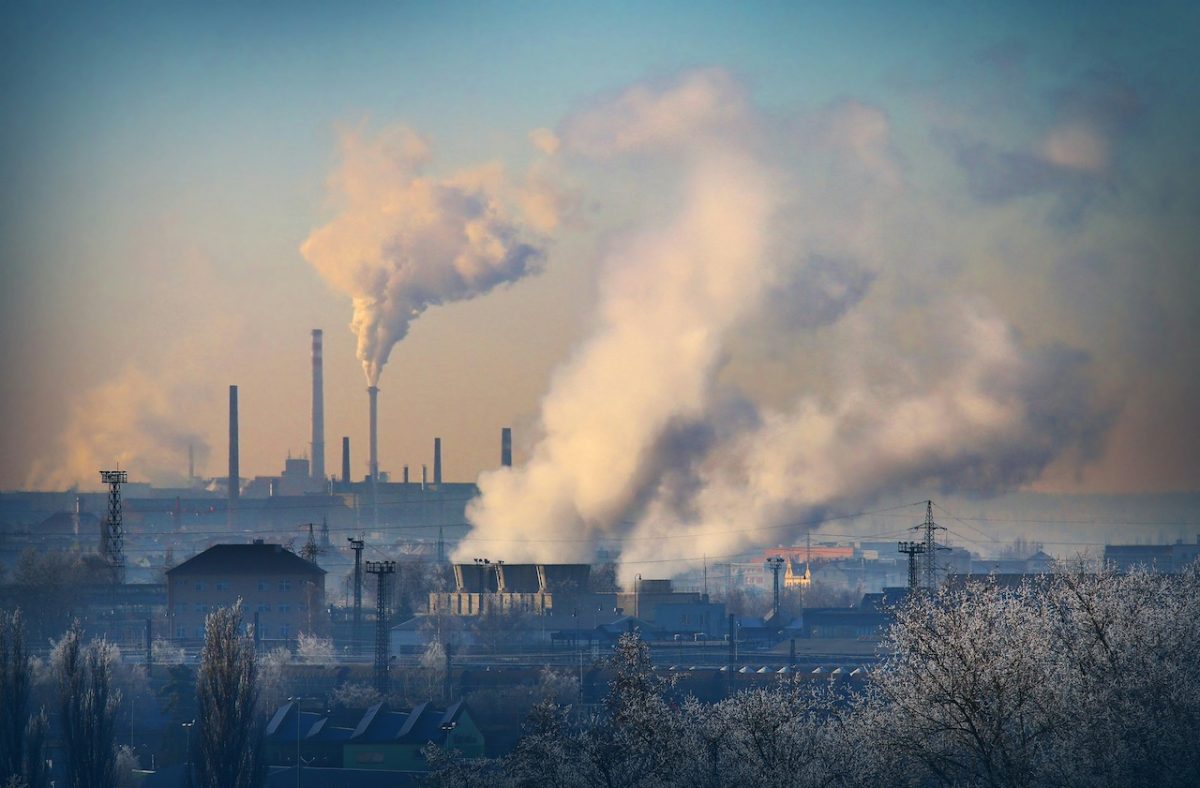
For travelers planning trips across Asia over the next few years, pay attention to what's happening with energy policy in your destination. Coal smoke thickens the air in major cities. Power cuts still ripple through tourist regions during peak season. Airlines facing fuel price volatility pass those costs to consumers. The energy crisis reshaping Asia today is the same force that will shape your travel experience, your ticket prices, and the quality of the air you breathe in Bangkok, Delhi, or Seoul.