Three hundred and seven million people boarded planes and crossed borders in the first quarter of 2026. That's about six million more than the same stretch a year earlier, suggesting something fundamental hasn't changed about human nature: we still want to see the world, even when the news says we shouldn't.
The 2% growth sounds modest on paper, and it is. January and February powered ahead with 2.5% gains before March hit the brakes hard. The Middle East conflict did real damage to global travel patterns, disrupting flights, rattling passenger confidence, and sending fuel costs into the stratosphere. Higher jet fuel prices and reduced flight capacity rippled well beyond the region itself, pushing airfares up in places you'd never expect.
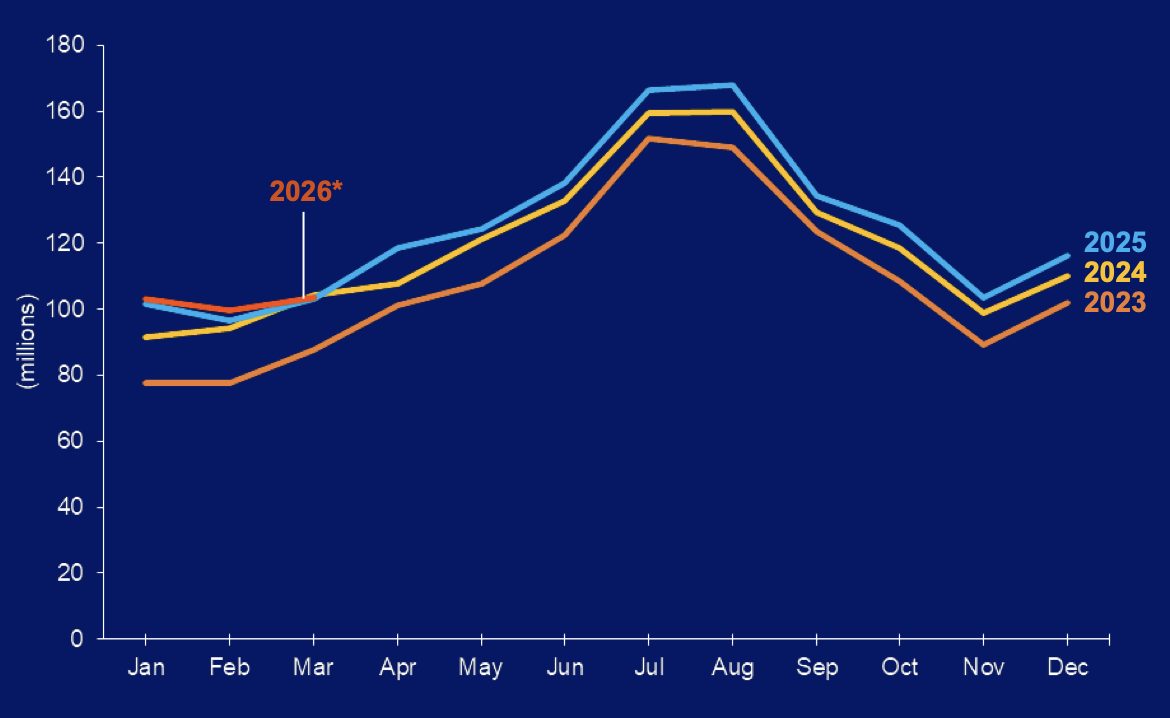
UN Tourism estimates the conflict will clip 1 to 2 percentage points off annual growth forecasts, meaning instead of reaching 3 to 4% for the full year, we're now looking at something closer to 2%. That's the cost of geopolitical stress in a globally interconnected world. When flights get expensive and routes get disrupted, travelers face a choice: pay more to go far, or pick something closer to home.
Winners and Losers Across the Regions
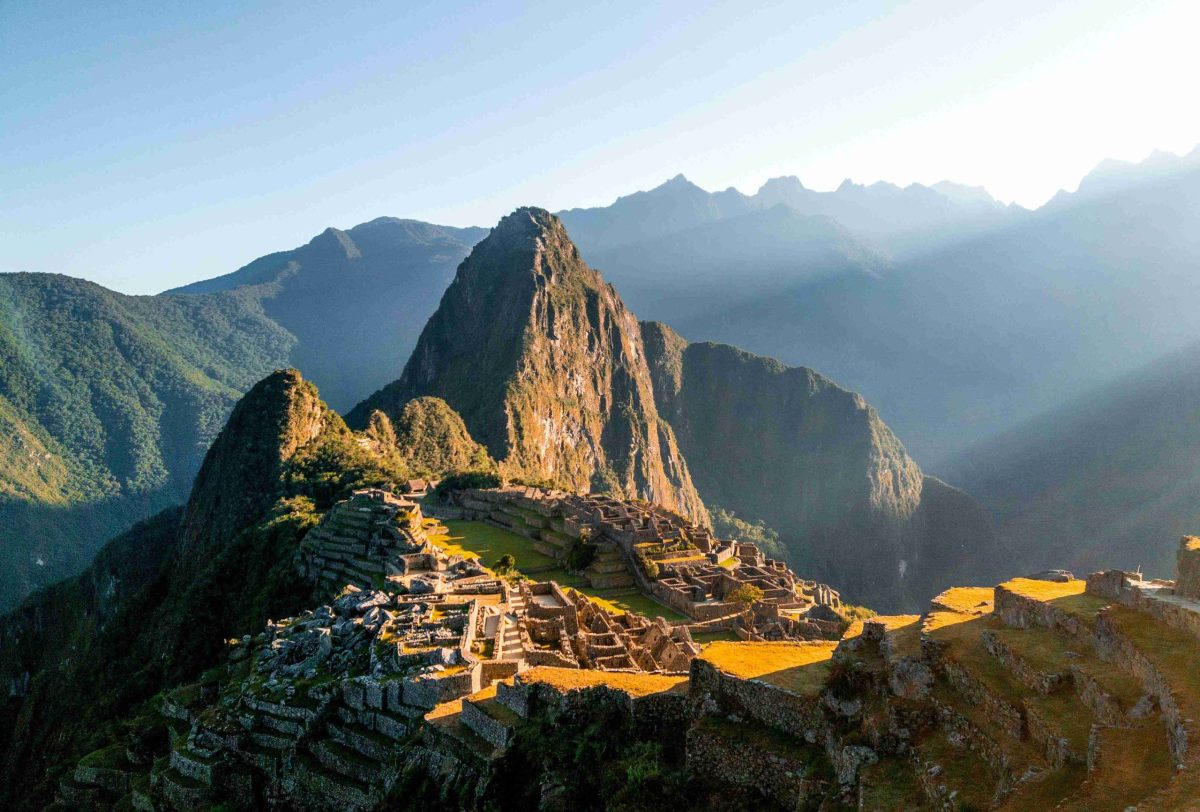
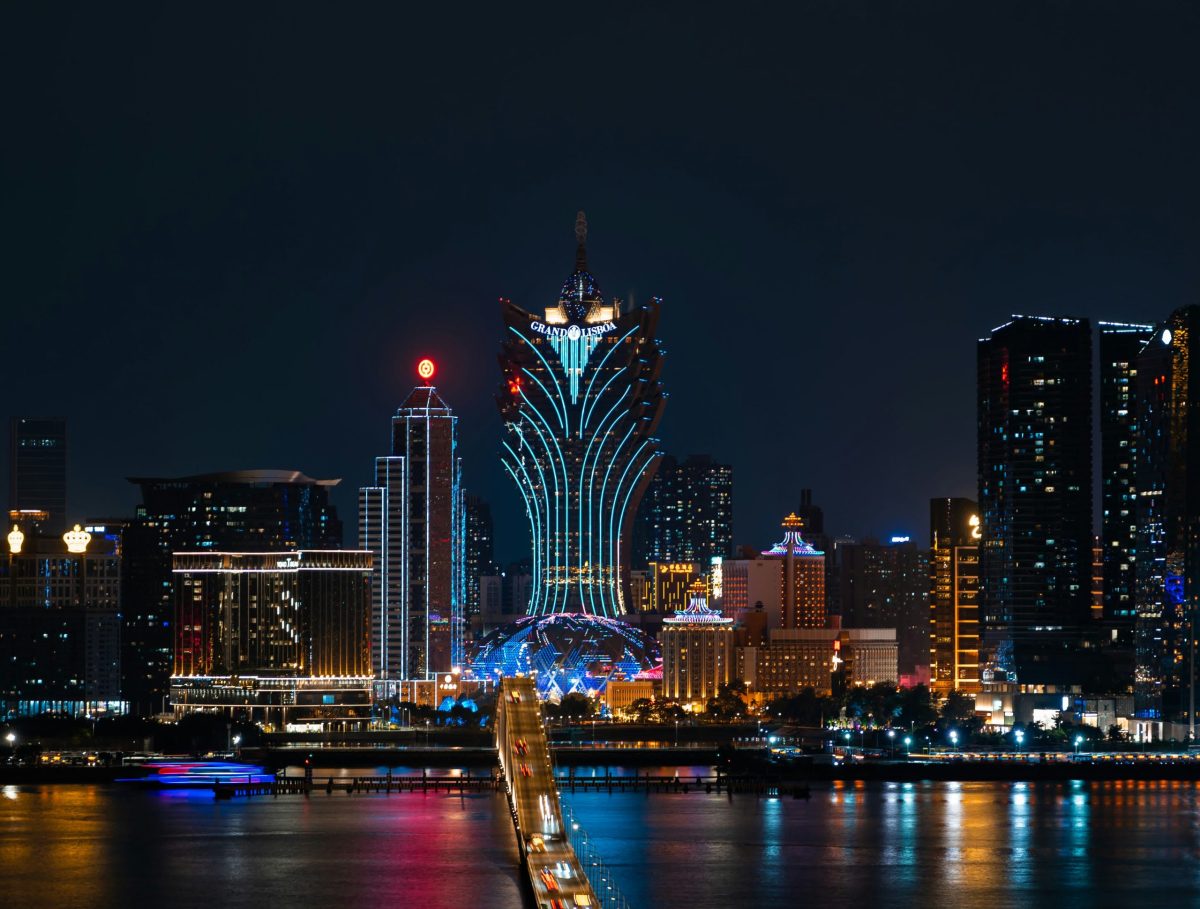
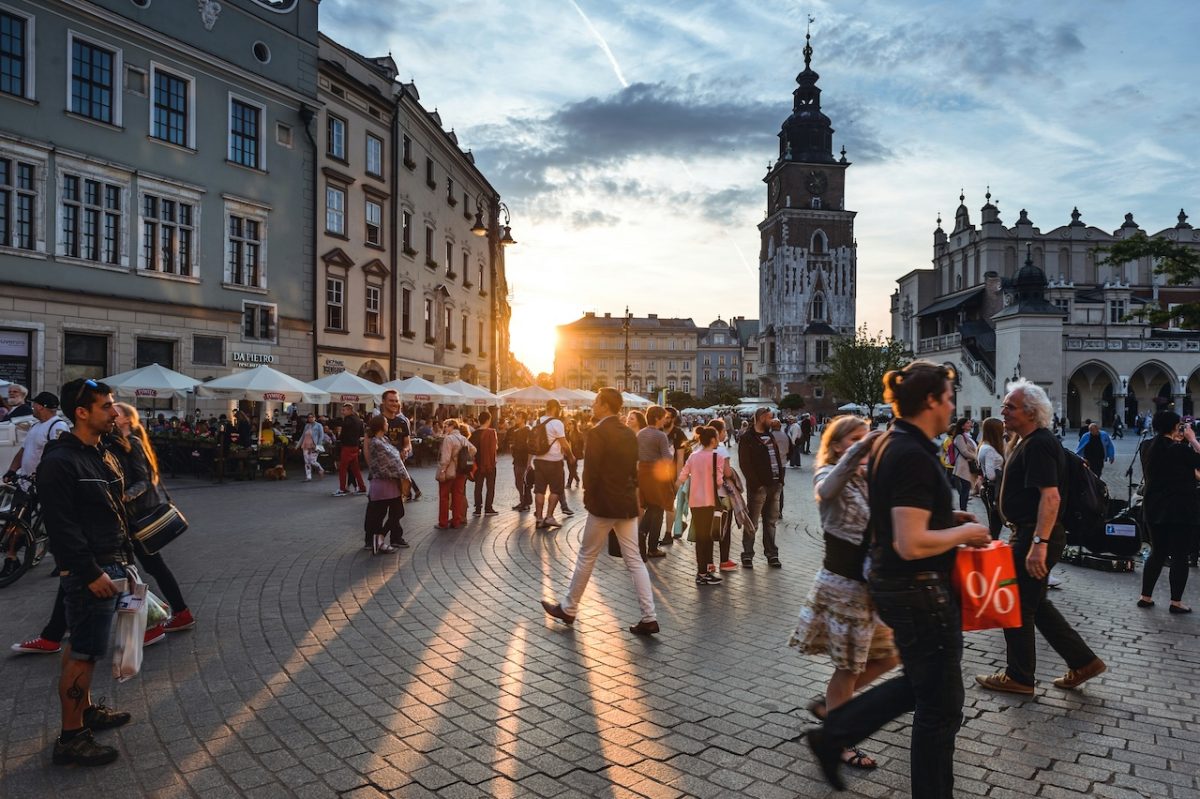
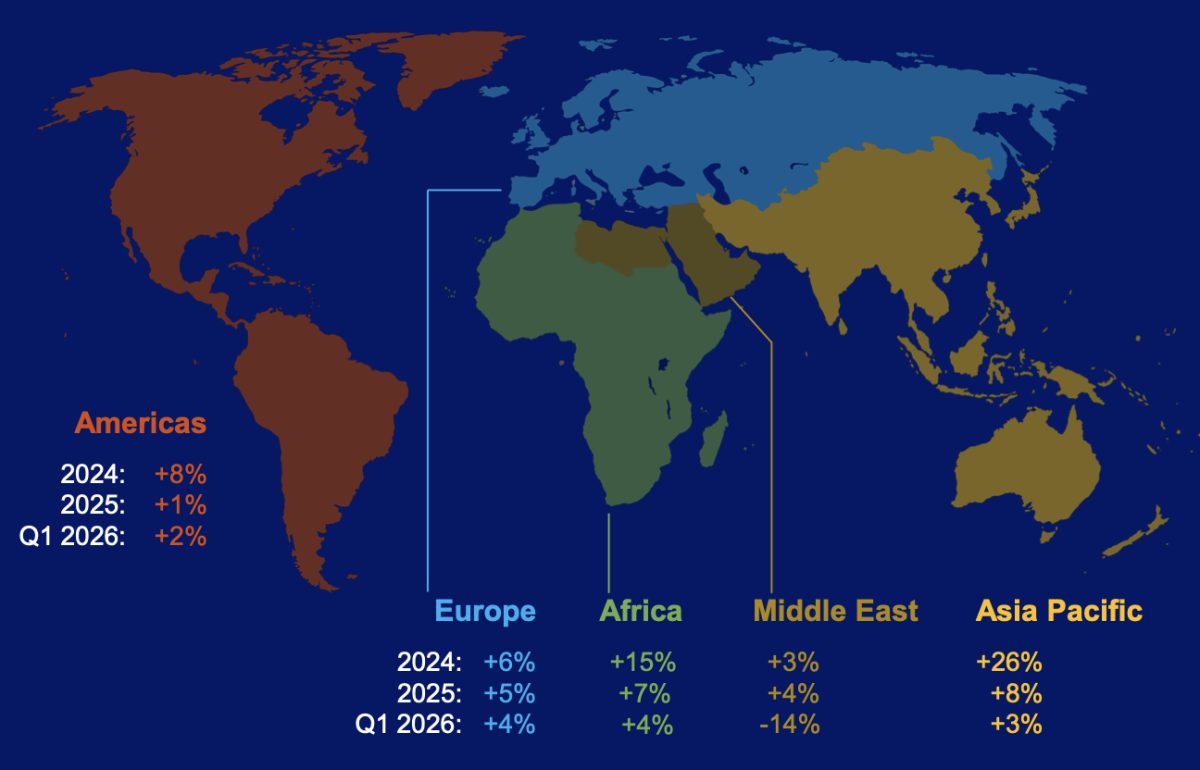
Europe and Africa both posted 4% growth, making them the quarter's real stars. Europe absorbed more than 130 million international arrivals, while Africa benefited from solid performances in North Africa and below the Sahara. Asia-Pacific managed 3% growth, though March's slowdown hit South Asia particularly hard as Middle Eastern hub disruptions cascaded through the region's flight networks. The Americas climbed 2%, with Central America pulling the strongest numbers.
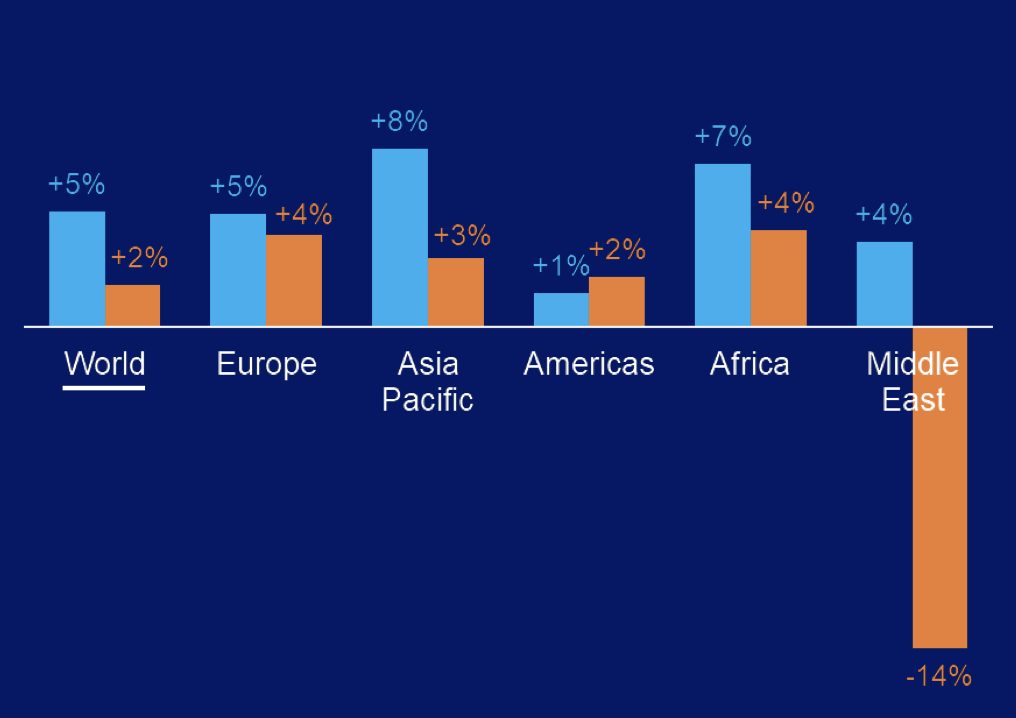
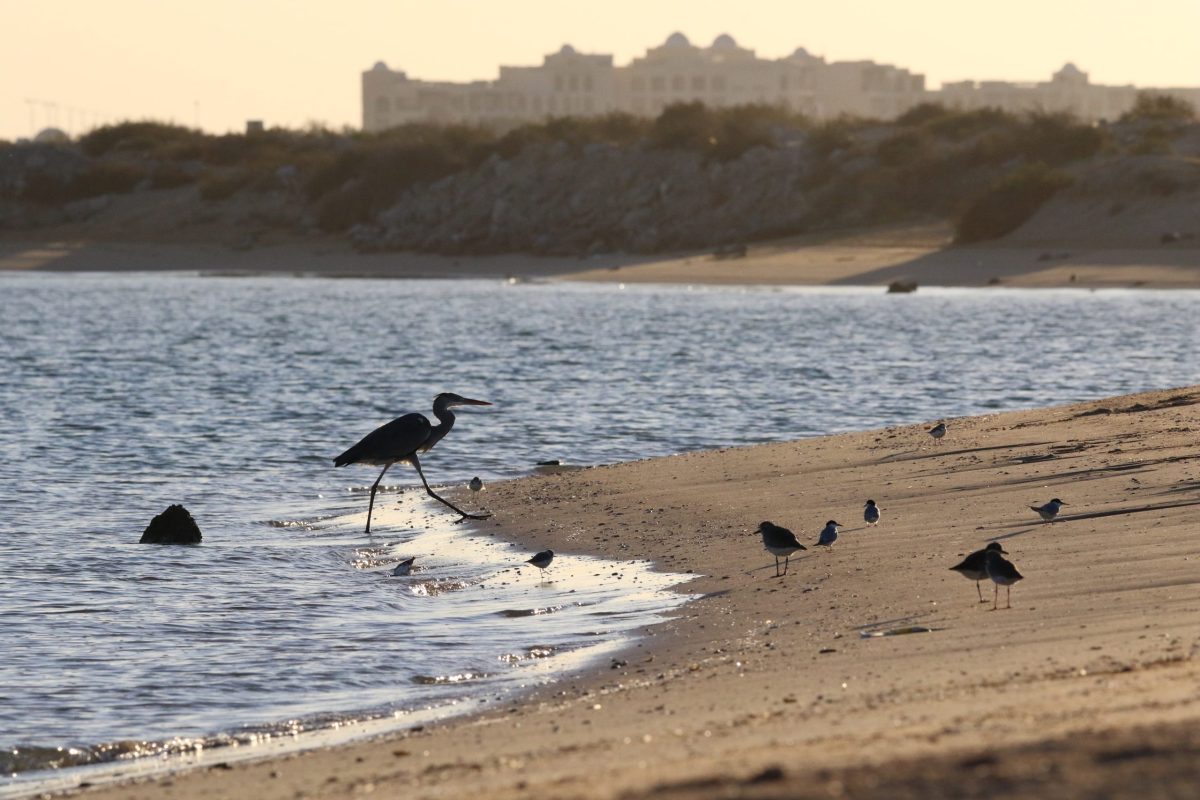
Then there's the Middle East itself, down 14% as conflict made some destinations genuinely dangerous or felt dangerous to would-be travelers. Even established Gulf destinations saw visitor numbers drop, though Egypt was a notable exception, actually gaining 16% more arrivals. That tells you travelers are finding alternatives where they can, seeking safe experiences in places that still welcome them.
What Experts Are Actually Worried About
The UN's own surveys of tourism industry insiders reveal the real obstacles facing travel in 2026. Rising transport costs top the list, followed by accommodation prices and the broader economic squeeze. But there's a silver lining, or at least a sliver of one. Experts express cautious optimism for the Northern Hemisphere summer season, betting travelers will shake off some uncertainty as the year progresses.
The wildcard remains unclear. How long does the conflict last? When do fuel prices stabilize? Will consumer confidence recover before peak travel season arrives? These questions hang over every airline, hotel, and destination that depends on steady visitor flow. Some travelers are reportedly choosing domestic options instead of international trips, a trend that could persist if airfares stay inflated and confidence stays fragile.
What the numbers ultimately show is that travel has thick skin. Even with geopolitical stress, economic pressure, and soaring costs, people found ways to explore. They may be choosing closer destinations or waiting for prices to drop, but they're still traveling. That resilience, according to UN Tourism Secretary-General Shaikha Al Nuwais, proves something larger about tourism itself. It's not just about vacations or luxury getaways. Travel creates jobs, strengthens local economies, and builds understanding across borders. When travelers stay home, communities that depend on those visitors feel the pain immediately.
The real test comes next. Will summer bookings rebound? Will airlines restore capacity as fuel prices stabilize? Will travelers confident enough to commit to long-haul trips again, or will they stick with nearby options? The Q1 numbers show we're not giving up on travel yet. But they also show we're making smarter, more defensive choices about where we go and how much we're willing to spend.