If you've landed at Washington Dulles recently and wondered why the place feels stuck in the 1980s, you're not alone. The airport has earned a reputation as one of the country's worst, with outdated terminals, cramped facilities, and that infamous "people mover" shuttle system that feels more theme park than modern transit. That's about to change in a big way.
A $22 billion renovation project is underway at Dulles International Airport, one of the largest airport overhauls ever attempted in the United States. Unlike many infrastructure projects that rely on taxpayer funding, this one is being financed entirely through private sources. The Metropolitan Washington Airports Authority, airlines like United (which handles 70% of traffic there), municipal bonds, and other private investors are footing the bill.
What's Actually Getting Built
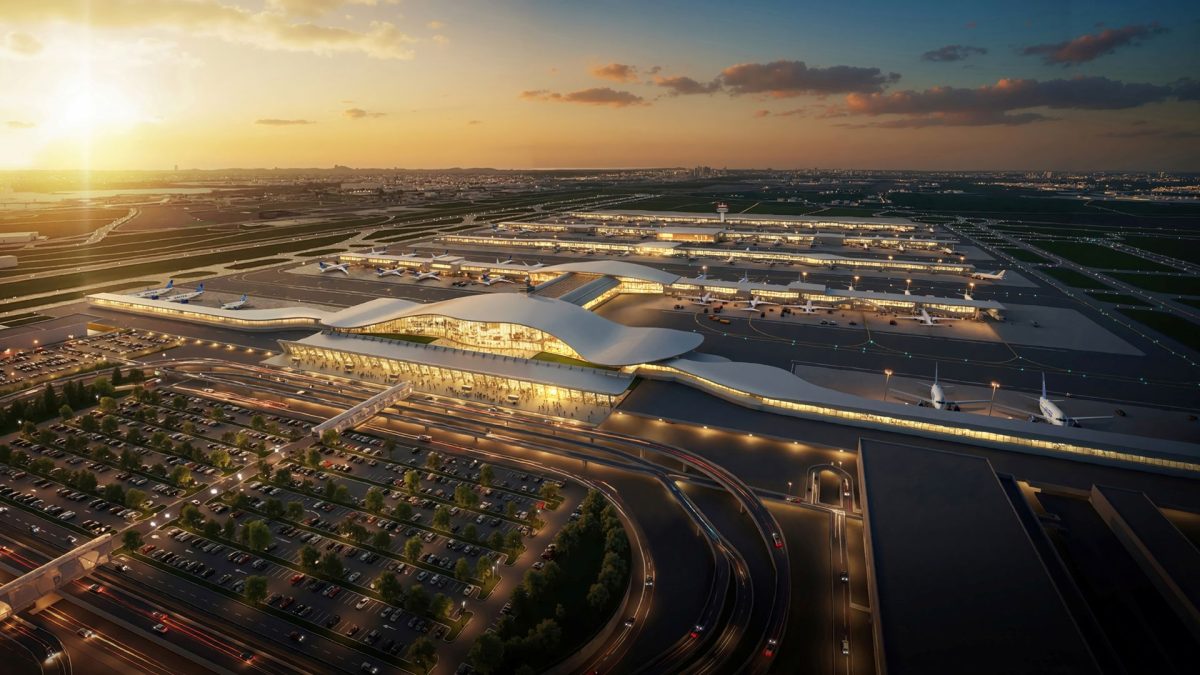
The scope of work is genuinely ambitious. Planners are tearing down those "temporary" concourses that have been standing for four decades and replacing them with modern facilities. The notorious people mover system that shuffles passengers between terminals will be replaced with a tunnel network, finally ending one of travel's most annoying rituals. Parking is expanding dramatically, with space for at least 32,000 additional vehicles. Check-in areas are being completely reimagined for the digital age.
There's also talk of expansive windows and architectural details designed to make the airport feel less like a concrete bunker and more like an actual gateway to the nation's capital. The entire project is slated to take eight years.
Why Now
Timing matters here. Dulles handled 29 million passengers in 2025, a 6.4% increase from the previous year, making it the fastest-growing large airport in the United States. The airport wasn't just aging poorly; it was aging poorly while demand was surging. That disconnect finally forced action.
The renovation also fits into a larger vision for Washington DC itself, with multiple construction projects underway across the capital region. Similar to how Lisbon's Bold Airport Gamble represents a massive bet on future growth, Dulles represents an investment in how the nation's capital connects to the world.
The Cost Question Everyone's Asking
Here's where things get interesting. Private funding means no direct tax burden, but travelers have legitimate concerns. With airlines and private investors bankrolling the work, questions linger about whether ticket prices will climb to recoup those investments. Fuel prices remain elevated following Middle East security disruptions, so airfares are already higher than passengers would like. Whether the renovation adds another layer to those costs remains unclear.
For context, China's airlines are investing heavily in new fleets, showing how major aviation infrastructure upgrades have become common globally. Every major airport is competing for passengers with better facilities and experiences.
Public Opinion Complications
Not everyone in the Washington area is thrilled about the project, even without tax dollars involved. Polling shows 58% of residents express dissatisfaction or anger about the various construction projects reshaping the capital. Some see the focus on Dulles as part of a broader spending pattern on DC infrastructure while other parts of the country face different priorities. That tension exists regardless of how the funding works.
Passengers should also consider how airports like those using British Airways' innovations are rethinking passenger experience. Dulles is clearly trying to catch up to that evolution.
What This Means for Travelers
If you're flying through Washington in the next few years, expect some construction chaos. The project spans eight years, so you'll encounter disruptions alongside progress. But the end game is worth the temporary inconvenience. A modernized terminal experience, actual functional parking, and replacing that ridiculous people mover system could make Dulles a genuinely pleasant airport to move through.
The bigger picture? Major American airports finally seem to understand that aging infrastructure is a competitive liability. Dulles joining that conversation means DC visitors and business travelers will soon have a facility that actually reflects the importance of the city it serves. Just maybe bring a book to the gate while construction continues.