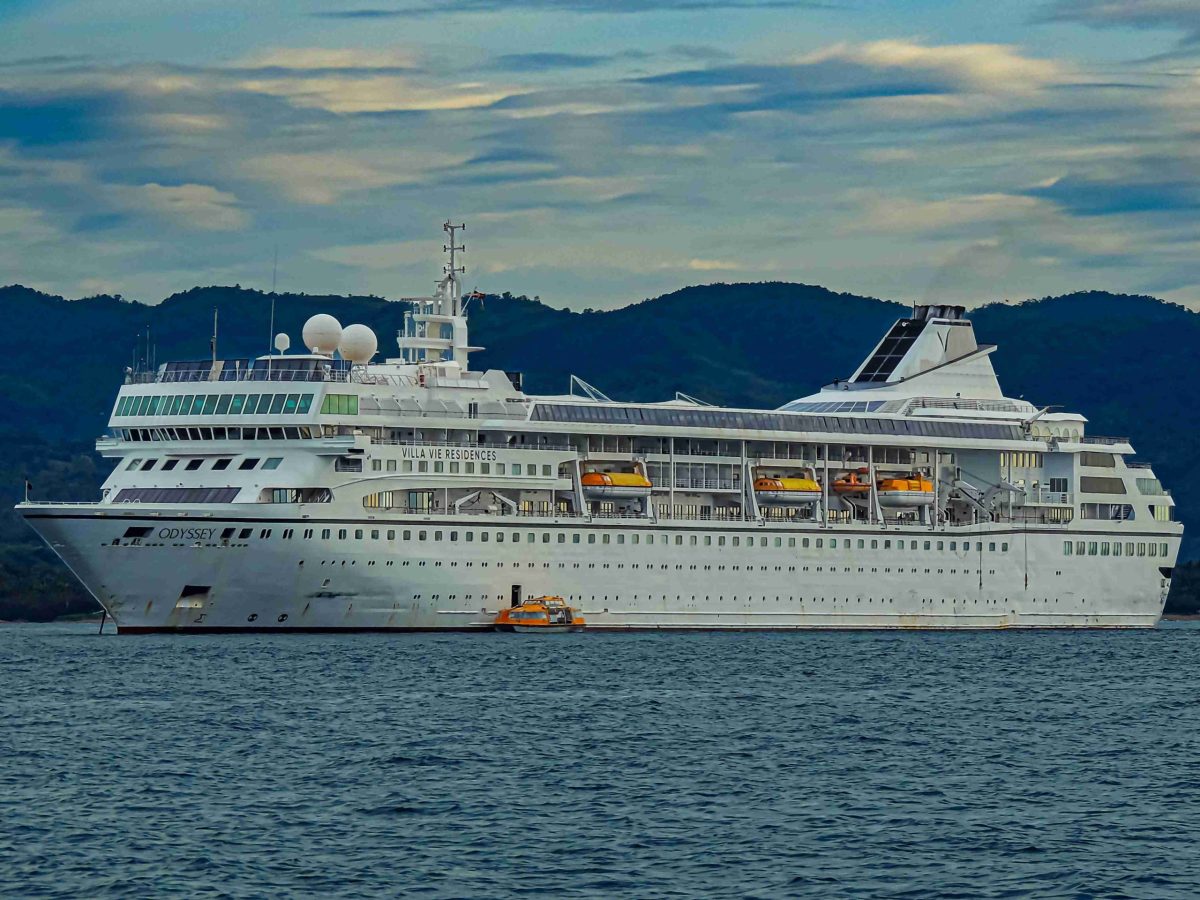
Imagine selling your house, packing your life into a suitcase, and stepping aboard a ship that was supposed to be your home for years. That was the reality for residents of the Villa Vie Odyssey, a residential cruise ship that launched in late 2024 with the promise of permanent life at sea. Prices started at $119,999, and many passengers embraced the idea wholeheartedly. But on 26 October 2026, that dream came to an abrupt halt in Cambodia, where passengers were told to leave the ship by 2 pm.
The culprit is a global fuel crisis. With the US-Israel conflict driving up oil prices, Brent crude surged 90% in the year to late October 2026. Villa Vie's monthly fuel bill per cabin skyrocketed from $1,800 to $8,000, a 344% increase that the company says it simply cannot absorb. In a statement, the cruise line admitted that passing the full cost to residents was not realistic, and the operating model became unsustainable.
Passengers had already been dealing with issues before the final blow. The Telegraph reported complaints about last-minute itinerary cancellations, plumbing problems, and unreliable Wi-Fi. When the end came, some criticized the lack of apology from the company. One passenger, blogger Randy Cassingham, described the situation as temporary, noting that the ship would enter a layup with crew remaining onboard to maintain essential systems.
Villa Vie's executive chairman, Mikael Petterson, explained that the company had tried to cut costs by spending more time in port and reducing sailing time. But those measures were not enough. "Those measures have not been enough to offset the extraordinary increase in fuel costs," he said. The company is now working on restructuring and recapitalization over the next 60 days, but Petterson admitted that "no outcome is assured."
Cambodia is a particularly tough place for this to happen. The country has no domestic oil refineries, so it relies entirely on imported refined fuel from regional suppliers like Singapore, Vietnam, Malaysia, and China. That makes it highly vulnerable to global shipping disruptions and price spikes. The irony is not lost on observers: a ship that promised endless horizons ended up docked in a nation that depends on the sea for its very fuel.
For travelers, this is a stark warning. The cruise industry has been booming, with new residential options and luxury voyages appearing all the time. But as this incident shows, even the most ambitious plans can be derailed by forces beyond anyone's control. If you're considering a long-term cruise or a residential berth, it's worth thinking about what happens if the ship can't sail. Check the fine print on fuel surcharges and cancellation policies. And remember that even the most polished brochure can't guarantee stability.
The Villa Vie Odyssey's fate also raises questions about the broader cruise market. With fuel costs rising, other lines may follow suit, either by raising prices or cutting routes. Already, we've seen Mexico's cruise fees triple, and Greenland is drawing a line against cruise ship overload. The era of cheap, carefree cruising might be ending.
For now, the passengers of the Odyssey are left to figure out their next steps. Some had sold their homes and belongings, expecting to live on the ocean for years. They now face the challenge of finding temporary accommodation and deciding whether to trust another cruise line or give up on the dream entirely. The company says it is working with residents to coordinate disembarkation and identify temporary living arrangements, but the emotional toll is clear.
As the situation unfolds, one thing is certain: the residential cruise concept, once seen as the ultimate freedom, has shown its fragility. If you're tempted by the idea of a life at sea, consider this a cautionary tale. The ocean is beautiful, but it's also unpredictable, and so is the business that takes you there. For those still dreaming, maybe start with a shorter voyage, like the Pan Am themed cruise in 2027, before committing to a lifetime on the waves.