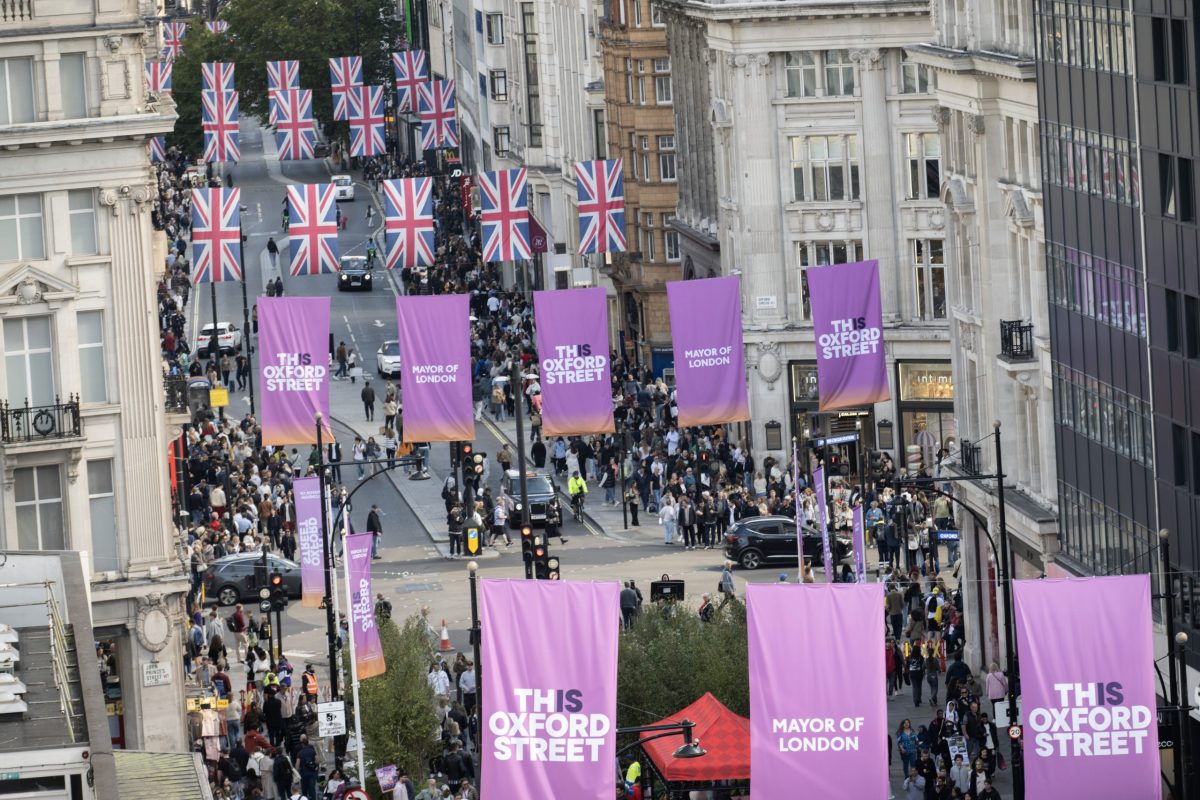
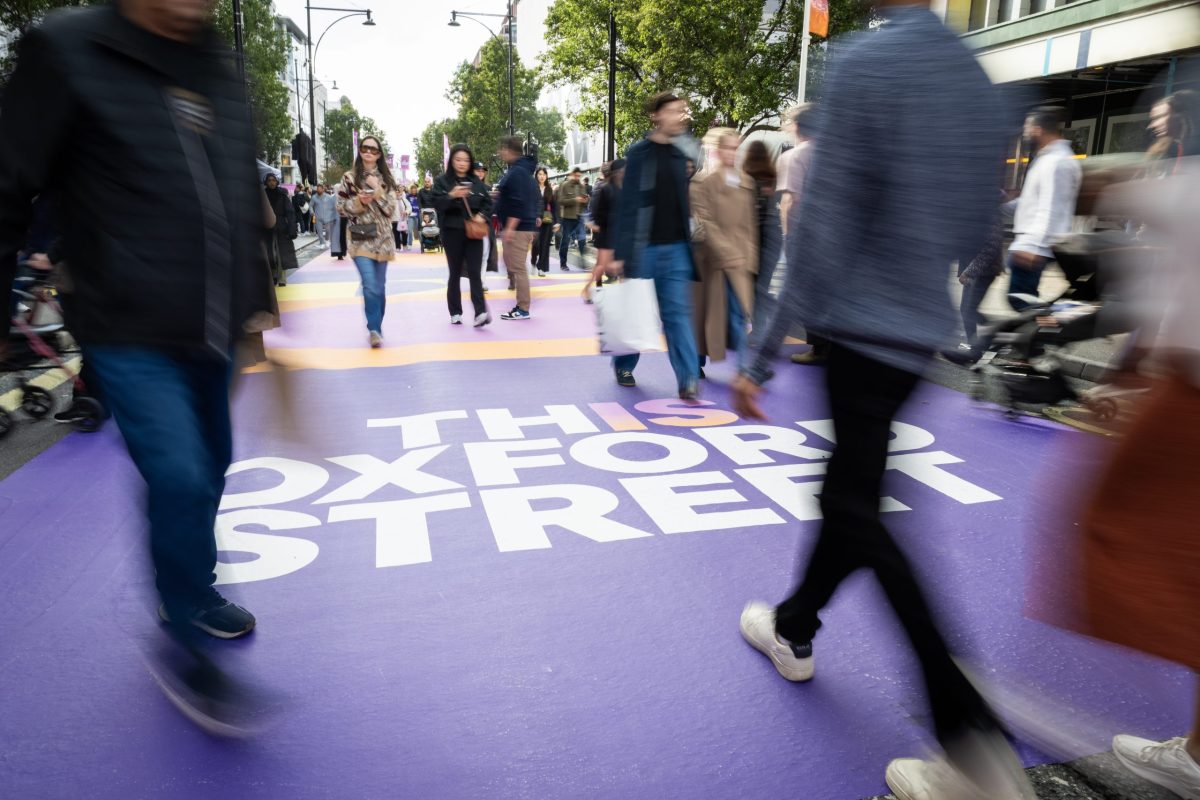
London's Oxford Street has been many things over the decades, from a Roman road to a Victorian shopping arcade to a traffic-choked canyon of fast fashion and souvenir shops. Now it's trying something new, a car-free stretch that lets you actually hear your own footsteps as you browse.
Since 26 October 2026, the nearly one-kilometer stretch between Orchard Street near Marble Arch and Great Portland Street beyond Oxford Circus has been closed to private cars, buses, taxis, bicycles, scooters, and pedicabs. That's right, even bikes are out, which feels almost radical in a city where cycling has become a religion. The traffic has been rerouted onto surrounding streets, and the result is a shopping district that finally feels like a place to linger rather than a place to escape.
A New Chapter for a Tired Icon
The move is the brainchild of London Mayor Sadiq Khan, who has been pushing this transformation for years. He called it "a truly momentous occasion for the capital," and for once the political hyperbole might be justified. Oxford Street has been struggling, with online retail eating into its footfall and the pandemic accelerating a shift in how we shop. The pedestrianisation is an attempt to win back visitors by making the street an experience, not just a transaction.
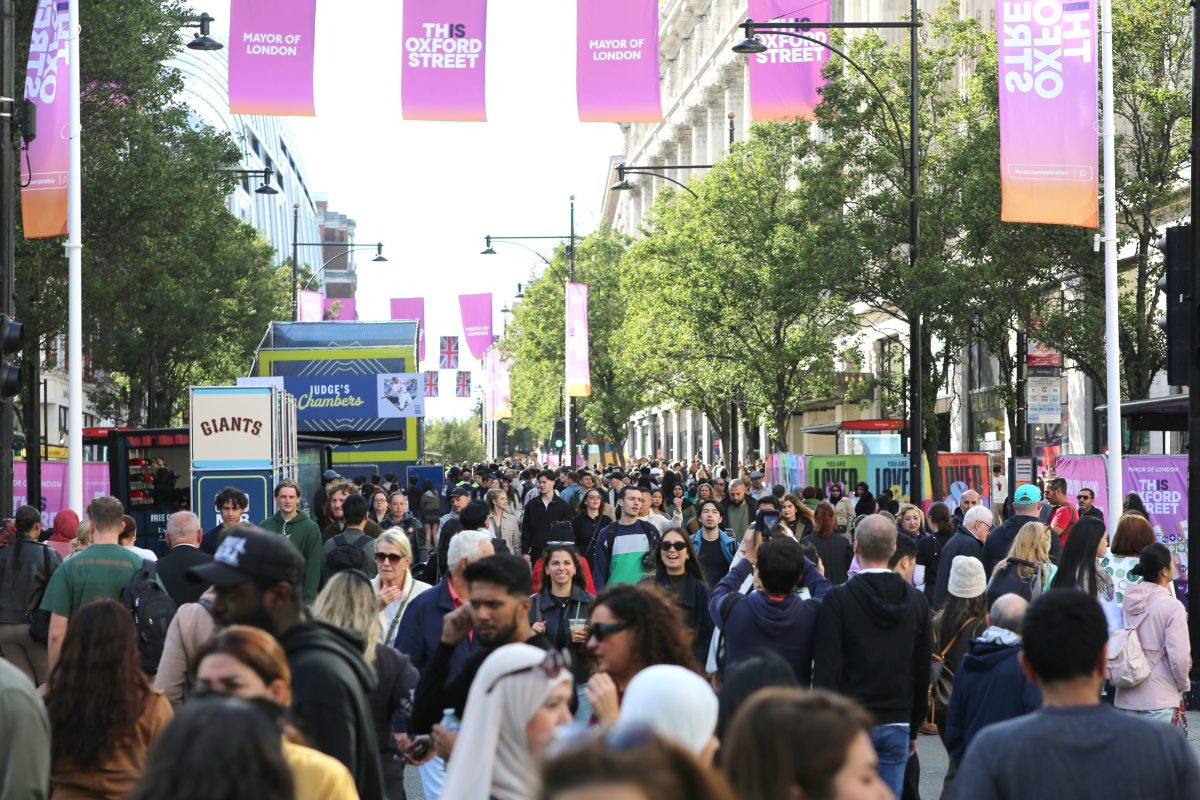
The numbers are impressive. The street already draws around 500,000 visitors daily and generates more than £3 billion in annual spending. City Hall estimates the car-free zone could add another £82 million a year to the local economy and support over 700 new jobs. Big names like Selfridges, John Lewis, and IKEA have all thrown their weight behind the project, which is a good sign for anyone who worries that change might scare off the retail giants.
What It's Like to Walk the New Oxford Street
Early reactions from shoppers have been overwhelmingly positive. One visitor, a biology teacher named Muneera Alfadhel, told Al Jazeera the experience felt "magical." That might sound like a stretch for a street known for its Primark and its crowds, but there's something genuinely pleasant about walking down the middle of the road without a bus bearing down on you. The quieter surroundings are a revelation, and the extra space means you can actually stop and look at the architecture, which is far more interesting than most people realize.
The first phase is temporary, with simple street improvements while the city collects feedback. By spring 2027, the plan is to plant more than 50 trees, install over 100 seats, add new lighting, and create two public squares. That's when Oxford Street will start to feel like a proper urban boulevard rather than a construction site with shops.
The Practical Details
If you're planning a visit, here's what you need to know. The pedestrianised zone is open 24/7, but deliveries are allowed between midnight and 7am, so don't expect a completely silent night. Emergency vehicles still have access, and replacement bus stops are located about 200 metres from the main stretch, so you won't have to walk far to catch a bus. Transport for London is monitoring traffic conditions closely, and they'll adjust if the surrounding roads get too clogged.
Not everyone is thrilled. Taxi drivers and some residents worry that diverting traffic will just push the problem onto side streets, and accessibility campaigners point out that longer walks to bus stops could be a barrier for people with limited mobility. These are legitimate concerns, and the city says it will gather feedback before finalising the permanent design. The fact that previous pedestrianisation plans have failed over the years suggests this is a delicate balancing act.
For travelers, the change is a win. You can now wander from Marble Arch to Oxford Circus without playing frogger, and the new public spaces will eventually give you somewhere to sit and rest your feet. If you're in London for the Christmas shopping season, this is the year to experience Oxford Street in a way that hasn't been possible in decades. And if you're curious about how other European cities are rethinking their streets, check out Europe's Streets Are About to Get a Whole Lot Kinder for a broader look at the movement.
The transformation is part of a wider effort to make London more walkable and less car-dependent. It's a bold experiment, and the early signs are promising. Whether it will survive contact with London's notoriously fickle weather and even more fickle politics remains to be seen, but for now, the city is betting that a car-free Oxford Street is the future. If you're planning a trip, you might want to see it for yourself before the permanent design is locked in. And if you're wondering how this compares to other London travel changes, London's Monthly Metro Pass Now Costs More Than a Weekend in Prague might give you pause.