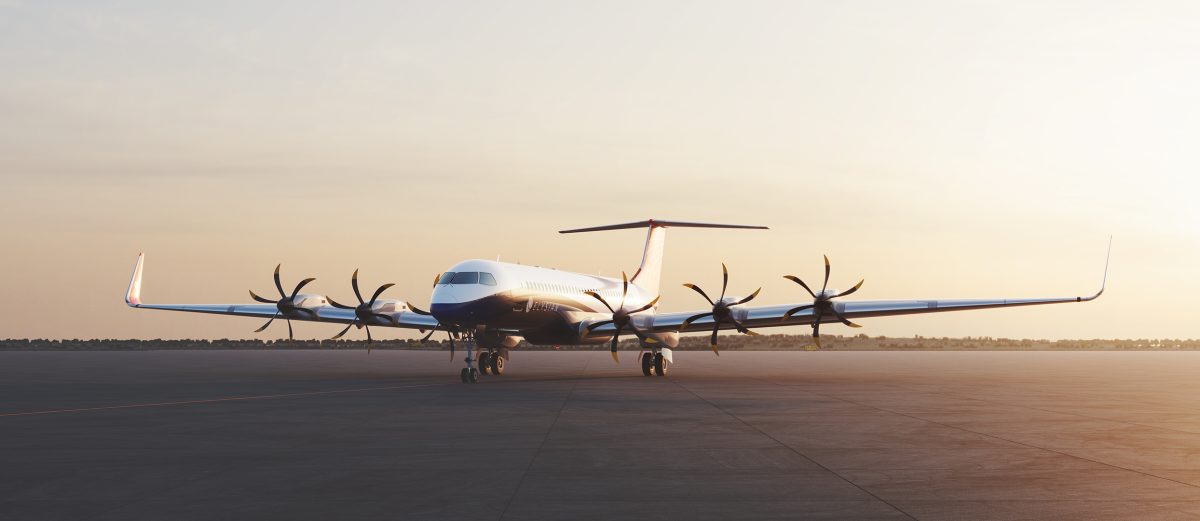
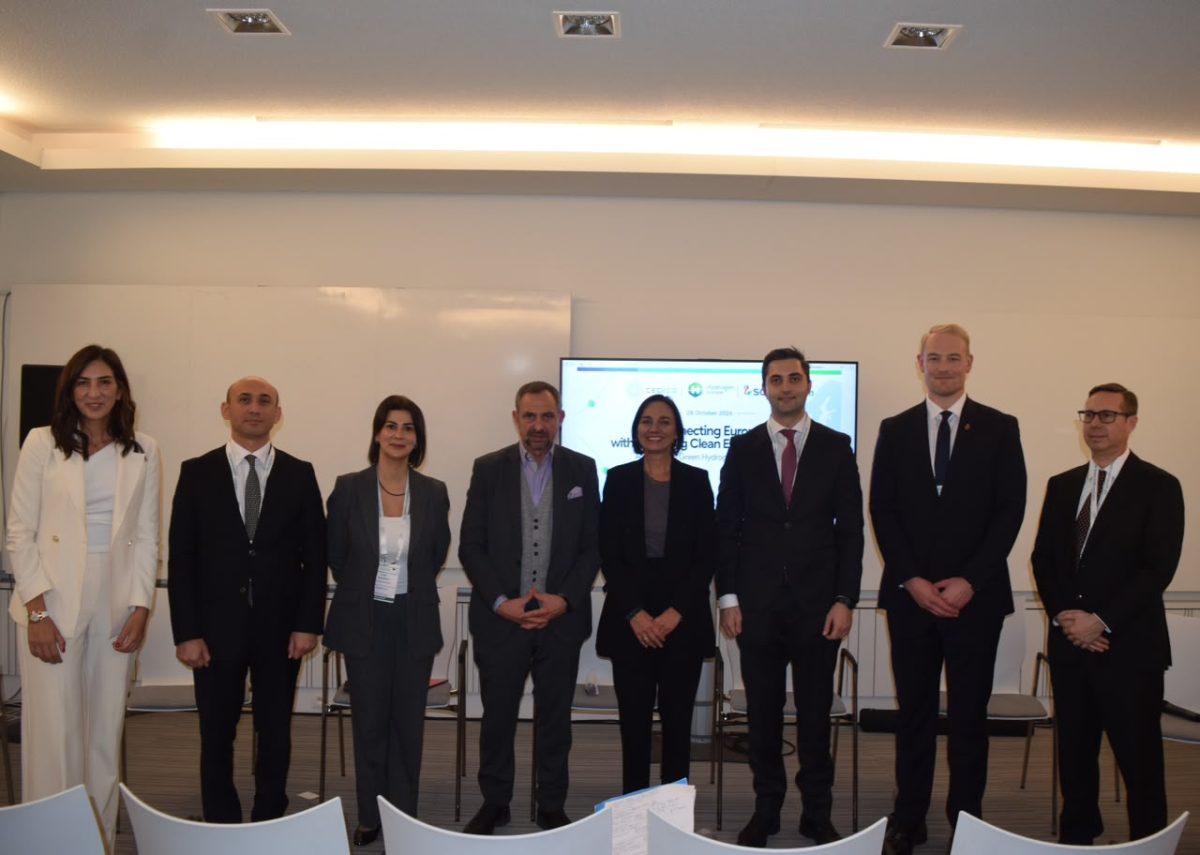
Brussels played host to a gathering that could one day change how you fly. On October 28, energy leaders from Europe, Azerbaijan, and Central Asia met to talk green hydrogen, a fuel that might help decarbonize aviation and other transport sectors. The event, held on the sidelines of European Hydrogen Week 2026, was organized by the Economic Cooperation Organization Clean Energy Centre (CECECO), SOCAR Green, and Hydrogen Europe.
The big idea is to build energy corridors that connect Europe with emerging clean energy markets, especially in the Caspian and Central Asian regions. These corridors could carry renewable electricity and green hydrogen across borders, opening up new supply chains for industries desperate to ditch fossil fuels. For travelers, the long-term payoff could be cheaper and more available sustainable aviation fuel, the stuff that might eventually power your flights without wrecking the climate.
Why green hydrogen matters for aviation
Green hydrogen is made using renewable electricity, and it's a key ingredient in synthetic aviation fuels, also known as e-fuels. These fuels combine hydrogen with captured carbon dioxide to create a drop-in replacement for conventional jet fuel. Unlike hydrogen-powered planes, which need entirely new engines and storage systems, e-fuels can be used in existing aircraft and airport infrastructure. That's a huge advantage for an industry that's notoriously hard to electrify.
Under the EU's ReFuelEU Aviation regulation, fuel suppliers must steadily increase the share of sustainable aviation fuel (SAF) they offer at EU airports. The mandate started at 2% in 2025, climbs to 6% in 2030, then 20% in 2035, and hits 70% by 2050. Synthetic fuels get their own dedicated requirements starting in 2030. But here's the catch: producing these fuels at scale requires massive amounts of renewable electricity and green hydrogen, not to mention serious investment in new plants. That's where international cooperation comes in.
Countries like Azerbaijan, with its abundant solar and wind potential, could become key suppliers of green hydrogen to Europe. The Brussels discussions explored exactly that, with Azerbaijan's ambassador to the EU, Mammad Ahmadzada, touting his country's role as a reliable energy partner. The hope is that new energy corridors will encourage cross-border investment and help both sides meet their climate goals.
For the travel industry, the stakes are high. Sustainable aviation fuel is currently scarce and expensive, and its availability depends on access to affordable renewable energy. If these hydrogen corridors materialize, they could diversify Europe's fuel supply chains and make SAF more accessible. But don't book your carbon-neutral flight just yet. Hydrogen corridors alone won't automatically produce jet fuel. You'd need dedicated manufacturing facilities, transport infrastructure, and commercial agreements to turn hydrogen into SAF.
Hydrogen has other transport uses too, from shipping to heavy trucks, so the benefits could ripple beyond aviation. But the path from a hydrogen corridor to a fuel tank is long and uncertain. As Europe pushes toward its 2050 decarbonization targets, initiatives like this one are a step in the right direction, even if the finish line is still far off.
For now, travelers can watch these developments with cautious optimism. The same way battery breakthroughs are shaping electric flight, green hydrogen could reshape the fuel landscape. And while travelers say they want green trips, the price tag still wins for many. Cheaper, cleaner fuel might change that equation.
The Brussels meeting was a signal, not a solution. It showed that governments and companies are serious about building the infrastructure for a cleaner transport future. Whether those plans translate into actual fuel in your plane's tank depends on the hard work of investment, regulation, and engineering. But for the first time in a long while, the pieces are starting to line up.