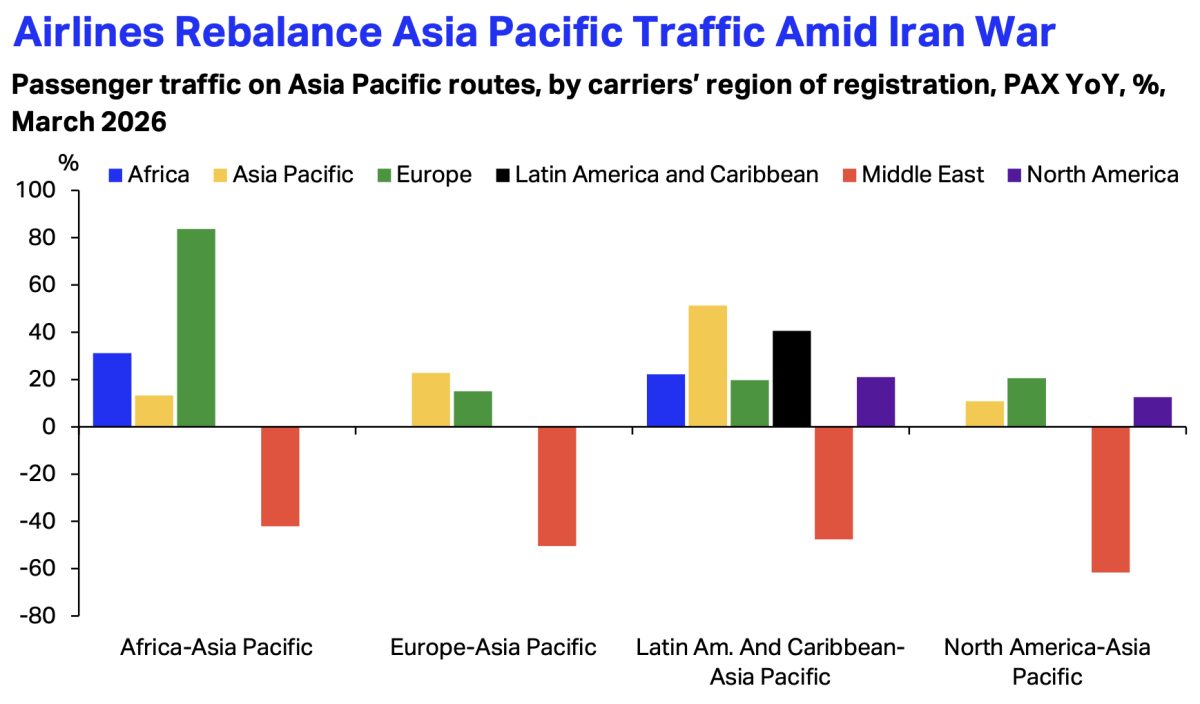
When conflict erupts in the Middle East, Dubai feels it immediately. The 2026 security crisis delivered a hard punch to one of the world's busiest aviation hubs, with passenger traffic at Dubai International Airport plunging 31 percent in the first half of the year. The numbers tell a stark story: just 13 million passengers moved through the terminal in the second quarter, compared to what had been steady double-digit growth in recent years.
The upheaval stemmed from airspace closures and military tensions that forced airlines to reroute flights, cancel services, and leave some travelers stranded across the Gulf region. Hotels filled with anxious guests. Social media filled with unsettling images. Consumer confidence in Arabian Gulf destinations simply evaporated. The broader region mirrored Dubai's pain, with aircraft movements across the Middle East falling 32 percent to 62,500 operations during the same quarter.
A City Fighting Back
What's remarkable is how quickly Dubai pivoted. By July, authorities rolled out an aggressive incentive campaign called "A Dubai Invite," offering residents rewards worth more than 700 euros (around 3,000 UAE dirhams) for convincing friends and family to visit during the typically slower summer season. The package unlocked hotel discounts, dining credits, attraction tickets, and lifestyle perks spanning over 20 participating venues. It was a calculated bet that nostalgia and savings could overcome fear.
Paul Griffiths, Dubai's airport CEO, acknowledged the damage but sounded genuinely optimistic during recent comments to the press. "The events of the disruption, which lasted two months, had an impact on traffic," he explained. "However, the trajectory now is universally positive." He pointed to measurable upticks in passenger volume as evidence that travelers were returning and airlines were restoring confidence in the route.
Unlike some airports facing infrastructure challenges, as Sydney works to expand capacity for 72 million travelers by 2045, Dubai's core problem was temporary. The airport itself sustained only minor damage and remained operational throughout the crisis. The real challenge was perception and consumer psychology.
Carriers Returning and Routes Reopening
Airlines that abandoned Middle East routes during the worst of the tensions are now signaling their return. Many had shifted aircraft and capacity to safer destinations, a move that reduced frequency and options for travelers heading to or transiting through the Gulf. That capacity is gradually flowing back. Griffiths expressed confidence that full operations would return "in a very short space of time," though he acknowledged that broader regional challenges (including the ongoing closure of the critical Strait of Hormuz) remain beyond the airport's control.
The stakes for Dubai extend well beyond airport statistics. Tourism underpins the emirate's economy. While Britain's airports shattered records despite Middle East chaos, Dubai faced the opposite scenario, watching as uncertainty kept visitors away. The incentive program represented a gamble that price and hospitality could rebuild trust faster than headlines could destroy it.
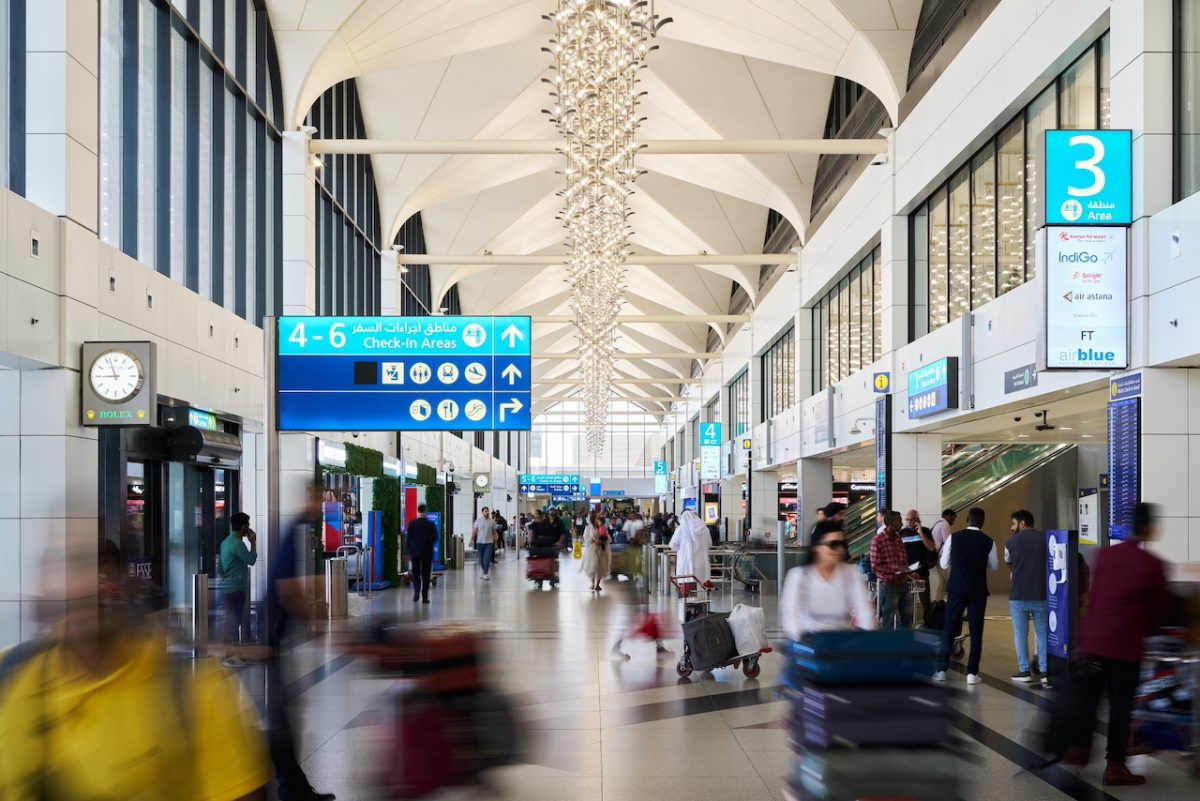
For travelers considering the region, the situation has stabilized considerably since spring. The airport terminal now operates smoothly, with social media posts featuring smiling staff, live music, and welcome gestures targeting returning visitors. Most commercial routes have resumed. Security risks remain lower than headlines might suggest, though checking current travel advisories for your specific itinerary remains essential before booking.
Dubai's recovery underscores a broader airport industry truth: when geopolitical storms pass, recovery is rarely linear, but it does come. The question now is whether the "Dubai Invite" program and returning carrier confidence can restore this hub to its pre-crisis dominance before the next disruption arrives.