Picture this: you're booking a flight from Berlin to Asia, and suddenly more of those routes funnel through Dubai instead of European hubs. That's the real fear driving a major clash between Germany and the aviation world right now, and it touches something deeper than just airline profits.
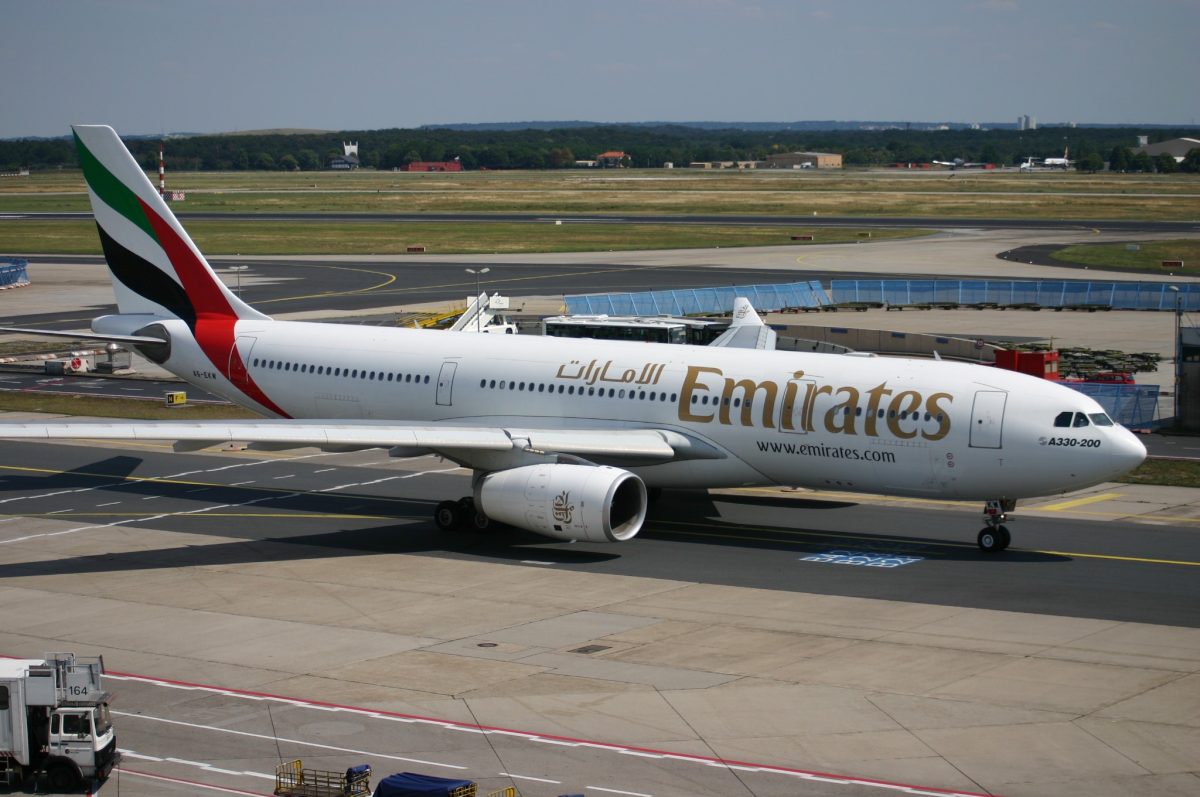
Emirates wants to launch daily service between Dubai and Berlin, plus another daily run to Stuttgart. The German airline pilots' association, representing over 44,000 crews across Europe, is saying hold on. Not because they oppose competition, but because they're convinced the match isn't fair.
What's Actually Being Proposed
Germany's Transport Ministry initially offered Emirates two weekly flights to Berlin. Then in February, after Chancellor Friedrich Merz visited the UAE, the Chancellery pushed for something bigger: six to seven flights a week to both Berlin and Stuttgart. Emirates has committed over 100 million euros annually to these operations, covering staff, fuel, airport charges, and everything in between. On the surface, that sounds like investment in German travel infrastructure.
But here's where it gets complicated. The European Cockpit Association (ECA) isn't just worried about market share. They're sounding an alarm about how this could reshape where European passengers connect to the rest of the world. Route more traffic through Dubai, and European cities become pit stops instead of genuine hubs. That means lost jobs, lost revenue, and less reason for airlines to base themselves in Europe.
The Unfair Advantage Nobody's Talking About
The pilots point to something concrete: Russian airspace. When Russia invaded Ukraine, European airlines were banned from flying over Russian territory. That adds hours and fuel costs to Asian routes. Meanwhile, Emirates keeps using Russian airspace freely, giving them a significant edge on those long-haul flights. During a period of skyrocketing jet fuel prices, every saved hour matters.
There's also a geopolitical layer. As Europe works to defend itself from Russian interference, including drone attacks, the UAE has actually expanded its own services to Russia, helping Moscow maintain international connections. Captain Paul Reuter, the ECA's vice president, framed it bluntly: "Competition is important, but it must be fair."
A Bigger Question About Europe's Future
This isn't really about blocking competition. The pilots have been careful to say Europe needs robust airline rivalry to keep fares down and service sharp. What they're pushing back against is a system where some carriers play by stricter rules than others. The ECA wants Germany to pause these negotiations until social standards and operational conditions level out across the board.
"The key issue is that Europe must be able to safeguard its own connectivity without becoming dependent on non-European hubs," Reuter said. Lose enough hub traffic, and European carriers lose the economics that keep them competitive. It becomes a spiral.
Where Things Stand
No deal has been finalized between Germany and the UAE yet. Lufthansa, Europe's largest airline, opposes the expansion. The German government faces a choice: does it prioritize new route announcements and business council requests, or does it move cautiously to protect long-term European aviation independence?
For travelers, the stakes might seem abstract. But they're real. Every route that gets redirected through a non-European hub changes where airlines invest in service, which destinations get flights, and ultimately, which routes are worth flying. The question now is whether consolidation and competition in global aviation happens on level ground or tilted terrain.