Picture this: you've just landed in Brussels after a long flight, and instead of breezing through passport control, you're staring at a line that snakes through the terminal like a lazy river. That's been the reality for many non-Schengen arrivals at Brussels Airport, with waits stretching up to five hours. The chaos has gotten so bad that the EU's migration chief is now publicly telling member states to get their act together before the Christmas rush.
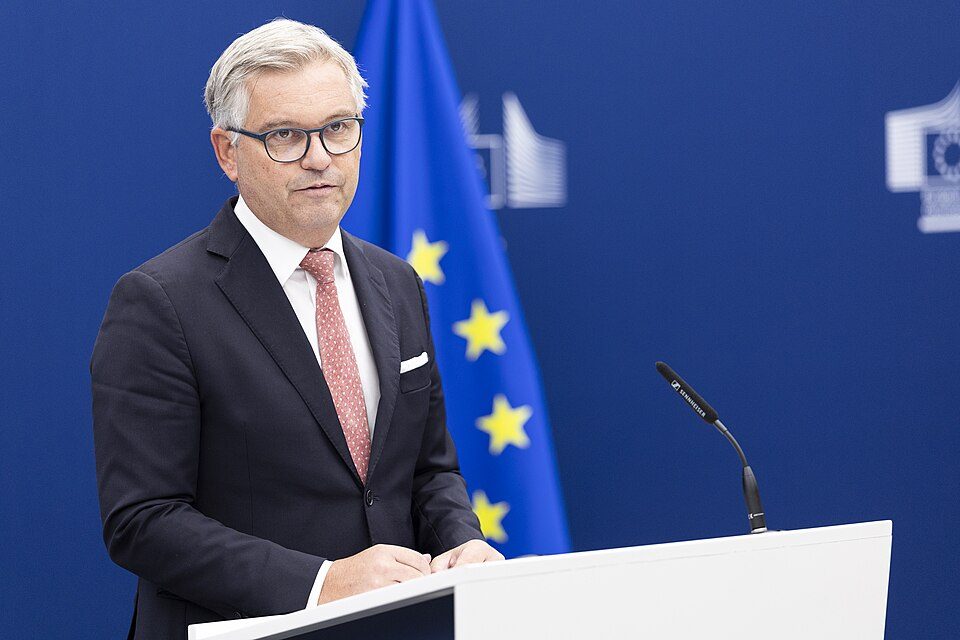
Magnus Brunner, the European Commissioner for Internal Affairs and Migration, didn't mince words in a recent interview with POLITICO. He said national authorities have had ample time to prepare for the EES, the EU's new digital border system that logs fingerprints and facial images of non-EU travelers. "Member states had enough time to prepare themselves for this system," he said, adding that it's a security issue and it has to work. The message is clear: the EU built the system, but it's up to member states to make it function.
Who's to Blame for the Brussels Airport Mess?
Belgium's Interior Minister, Bernard Quintin, isn't taking the criticism lying down. His office says police are fully staffing all 12 arrivals-control positions, but the airport's infrastructure can only handle about 500 to 600 non-Schengen passengers per hour. On busy mornings, nearly 3,500 such passengers can land between 6 am and 10 am. That's a math problem no amount of staffing can solve.
Brussels Airport, for its part, says "all parties involved" are working on fixes. Among the ideas being tested are new automated gates, pre-registration kiosks, extra police training, and more infrastructure. But for travelers, the here and now is what matters. Some passengers, including Americans, now have to register at a kiosk and then still see a staffed officer, which adds another bottleneck at peak times.
What This Means for Your Next Trip
If you're flying into Brussels from outside the Schengen area, brace for potential delays. The airport's revised procedures mean you might face longer lines than you'd expect, especially during morning arrivals. The good news? The EU has offered funding and support from Frontex, the border agency, to help ease the pressure. But Brunner says he's "very confident" things will improve before the next holiday surge.
This isn't just a Brussels problem. Airports across Europe, from Lisbon to Milan, have seen similar chaos this summer. Industry groups like ACI EUROPE and Airlines for Europe are pushing for better biometric processing and the option to pause biometric enrollment when lines get too long. They warn that persistent delays lead to missed flights and connections, putting unnecessary hardship on travelers.
For now, the message to travelers is simple: give yourself extra time if you're flying into Brussels from outside the Schengen zone. And if you're connecting, check with your airline about minimum connection times. The situation is fluid, and it could change by the time you fly.
Brussels isn't the only airport dealing with headaches. Ground crew strikes have also caused flight chaos at Brussels Airport, and volcanic ash has grounded flights in Sicily. If you're planning European travel, it's worth keeping an eye on airport news.
The EU's EES is meant to make borders smarter and more secure, but its rollout has been rocky. As Brunner put it, the system has to work. Whether it will by Christmas is anyone's guess, but one thing's for sure: travelers will be watching, and so will the clock.