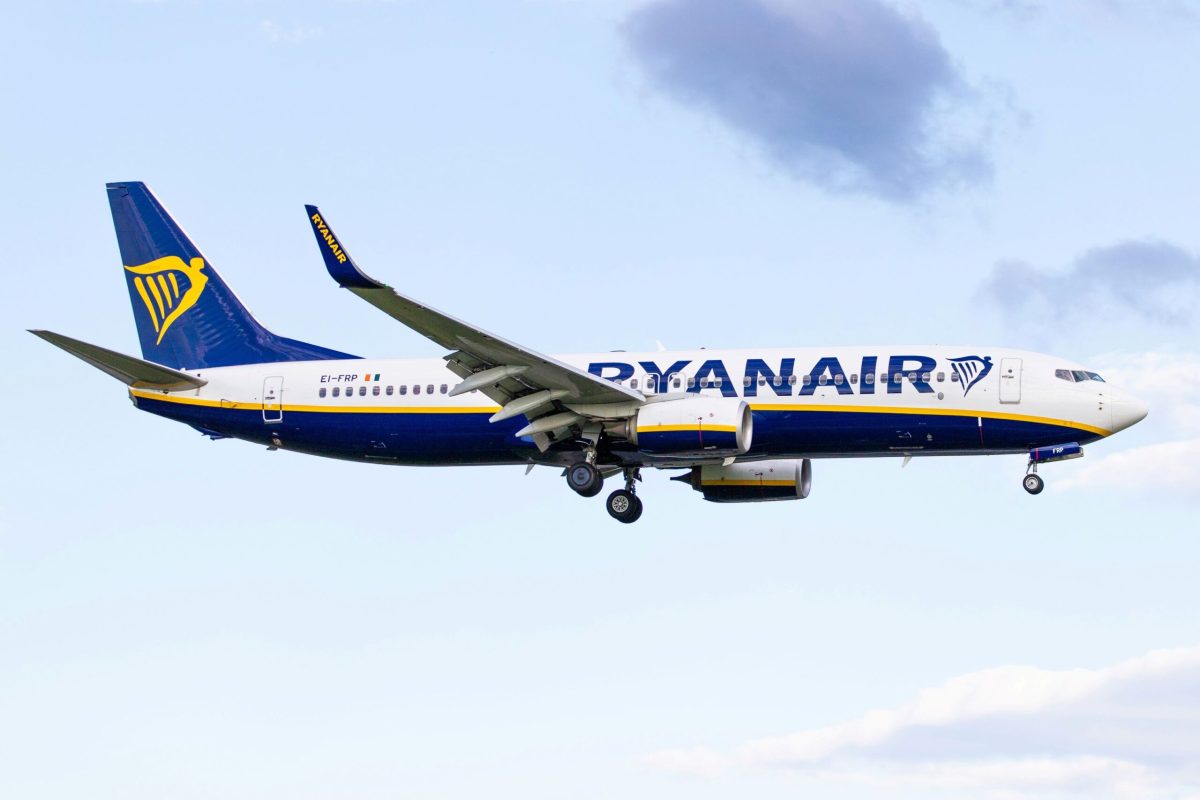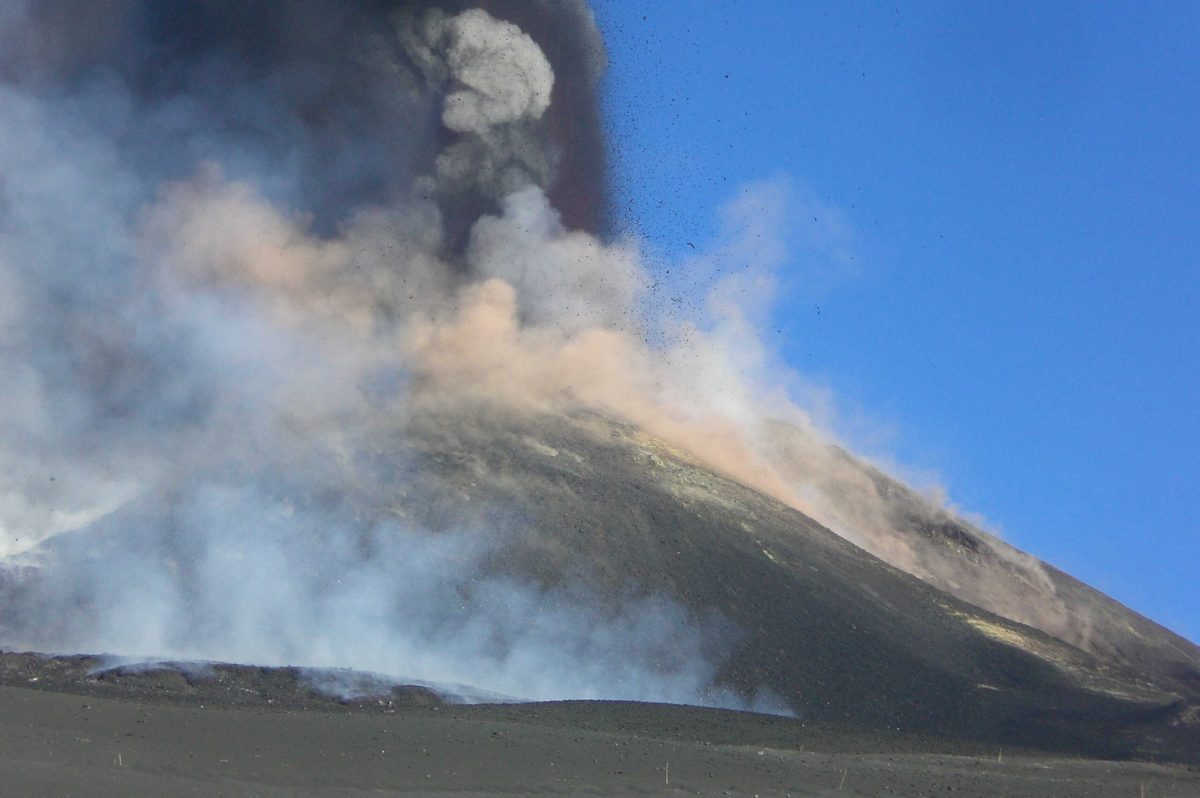
Catania Airport has now been closed for three straight days, and the culprit is a familiar one: Mount Etna, Europe's most restless volcano, is spewing ash into the skies above Sicily. The airport operator SAC confirmed that all arrivals and departures at Catania-Fontanarossa are suspended until at least 11:59 pm local time on Monday, September 28. The decision came after continued ash emissions and winds that pushed the volcanic grit directly into flight paths.
Passengers are being told to contact their airlines before heading to the terminal, since the situation could shift at any moment depending on Etna's mood and the weather. The disruption started on Saturday, September 26, and has rippled through the weekend, forcing dozens of flights to be diverted to Palermo, Comiso, and Trapani, which has put extra strain on Sicily's other airports.
This is not a one-off event. Etna has been making life difficult for Catania all summer. On September 14, flights were grounded again, just weeks after a much longer closure in August. That August episode was particularly brutal: the airport stayed shut for five consecutive days, with hundreds of flights canceled or rerouted during Italy's peak holiday season. According to Reuters, 36% of nearly 2,000 flights scheduled to arrive between August 6 and 12 were scrapped, and more than 600 were diverted to other airports across the island.
The pattern goes back even further. In July 2024, an eruption forced the airport to close, affecting around 15,000 passengers and leading to roughly 90 cancellations. A similar scene played out in August 2023. And on July 7 this year, about 130 flights were canceled and 50 diverted after a particularly violent blast sent ash clouds high into the atmosphere.
Why does a bit of volcanic dust cause so much chaos? The answer lies in what ash does to a jet engine. Fine particles can get sucked into the turbines, where the intense heat melts them into a glassy coating that can clog fuel nozzles and damage blades. Boris Behncke, a volcanologist at Italy's National Institute of Geophysics and Volcanology, put it bluntly: ash can force engines to stall. That's why airlines and airports err on the side of caution, even when the volcano is just simmering.
For travelers, the practical advice is simple: check with your airline before you leave home. The airport's website and social media channels are also worth monitoring, but the airlines are the ones who know whether your specific flight is still on the board. If you're flexible, consider flying into Palermo or Trapani and taking a bus or train to Catania, though those airports are also feeling the pressure from diverted traffic.
This summer's repeated closures highlight a bigger issue for Sicily's tourism industry. Catania is the island's busiest airport and Italy's fifth busiest by passenger numbers, making it a critical gateway for visitors heading to Taormina, Mount Etna itself, and the beaches of the Ionian coast. When it shuts down, the ripple effects are felt across the entire region.
Etna is one of the most active volcanoes on Earth, and it's not going to calm down anytime soon. For now, the best anyone can do is stay informed, stay patient, and maybe pack a backup plan. If you're flying in the coming days, keep an eye on the latest updates from your airline and the airport. And if you're planning a trip to Sicily, it might be worth checking out how other destinations are handling their own travel disruptions.