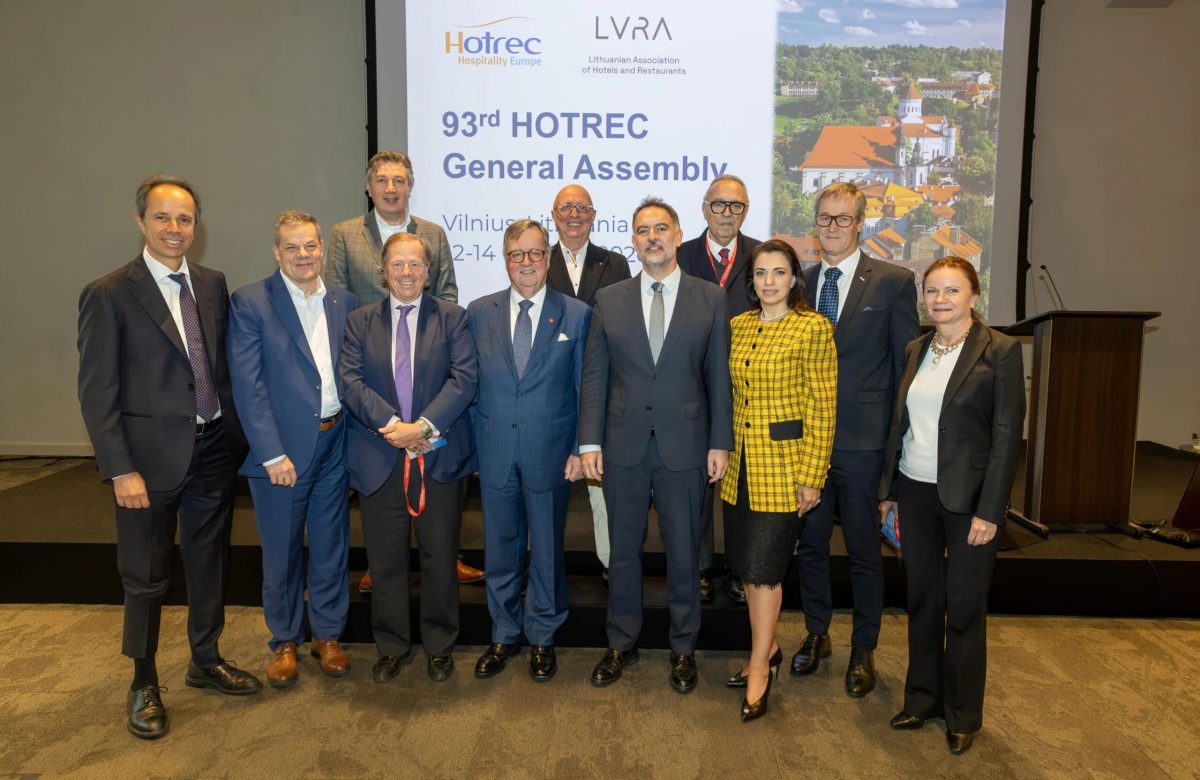
When Europe's hotel and restaurant leaders walked into their 93rd General Assembly in Vilnius, they had more than handshakes on the agenda. They had a two-year plan to push back against the forces reshaping travel: digital gatekeepers, labor shortages, and a regulatory wave from Brussels. And they've chosen the same captain to steer them through it.
Alexandros Vassilikos, who leads the Hellenic Chamber of Hotels, was re-elected president for a third consecutive term on 13 October 2026. He'll serve through the 2027-2028 mandate, joined by a familiar executive team. Morten Thorvaldsen from Norway's NHO Reiseliv stays on as vice-president, and Adrian Cummins of Ireland's Restaurants Association keeps the treasurer's seat warm.
The new executive committee reads like a map of European hospitality, with representatives from the Netherlands, Belgium, Spain, Germany, Italy, Sweden, Romania, and France. That breadth matters, because the challenges facing a Lisbon guesthouse are not the same as those hitting a Stockholm hotel. Yet the group's message is unified: Europe's hospitality industry needs a louder voice in EU policy.
Vassilikos didn't mince words about the stakes. "At a time of great geopolitical turbulence and rapid economic, technological and regulatory change," he said, "our responsibility is to ensure that our joint voice is heard clearly and strongly at European level." That's not just diplomatic talk. The sector employs millions across the continent, and its leaders are watching a handful of online travel agencies control how travelers book, and thus how hotels earn.
One stat from a recent HOTREC study explains the urgency: Booking Holdings and Expedia Group together handle over 85% of Europe's OTA bookings. That kind of concentration gives platforms enormous leverage over pricing and visibility. HOTREC is calling for EU action to make digital markets fairer, so independent hotels aren't squeezed by commission hikes or opaque ranking algorithms. It's a fight that echoes the broader turbulence in European travel, from airline shakeups to overtourism debates.
The Vilnius meeting also tackled the practical stuff. Members discussed energy efficiency, digital payments, and the rollout of the European digital identity wallet, which could change how travelers check in and pay. They talked about the future of restaurants and gastronomy, a sector still recovering from post-pandemic shifts in dining habits. And they zeroed in on resilience, because the next disruption is always lurking.
Marie Audren, HOTREC's director general, framed the mission simply: "Turning the realities faced by hospitality businesses into practical European policy solutions." That means defending competitiveness while pushing for sustainability and innovation. It's a balancing act, especially as labor shortages force hotels to rethink staffing and automation.
For travelers, these behind-the-scenes decisions matter more than they might think. When hoteliers push back on OTA dominance, it can mean better direct booking deals and fewer surprise fees. When they lobby for clearer digital rules, it can mean more transparent pricing. And when they invest in energy efficiency, it can mean greener stays without the greenwashing.
The next stop for HOTREC is Santorini, Greece, for the 94th General Assembly in April 2027. Between now and then, expect the association to keep pressing on the issues that keep hospitality executives up at night. If you're planning a European trip, keep an eye on how these policies play out, they might just shape your next hotel bill.