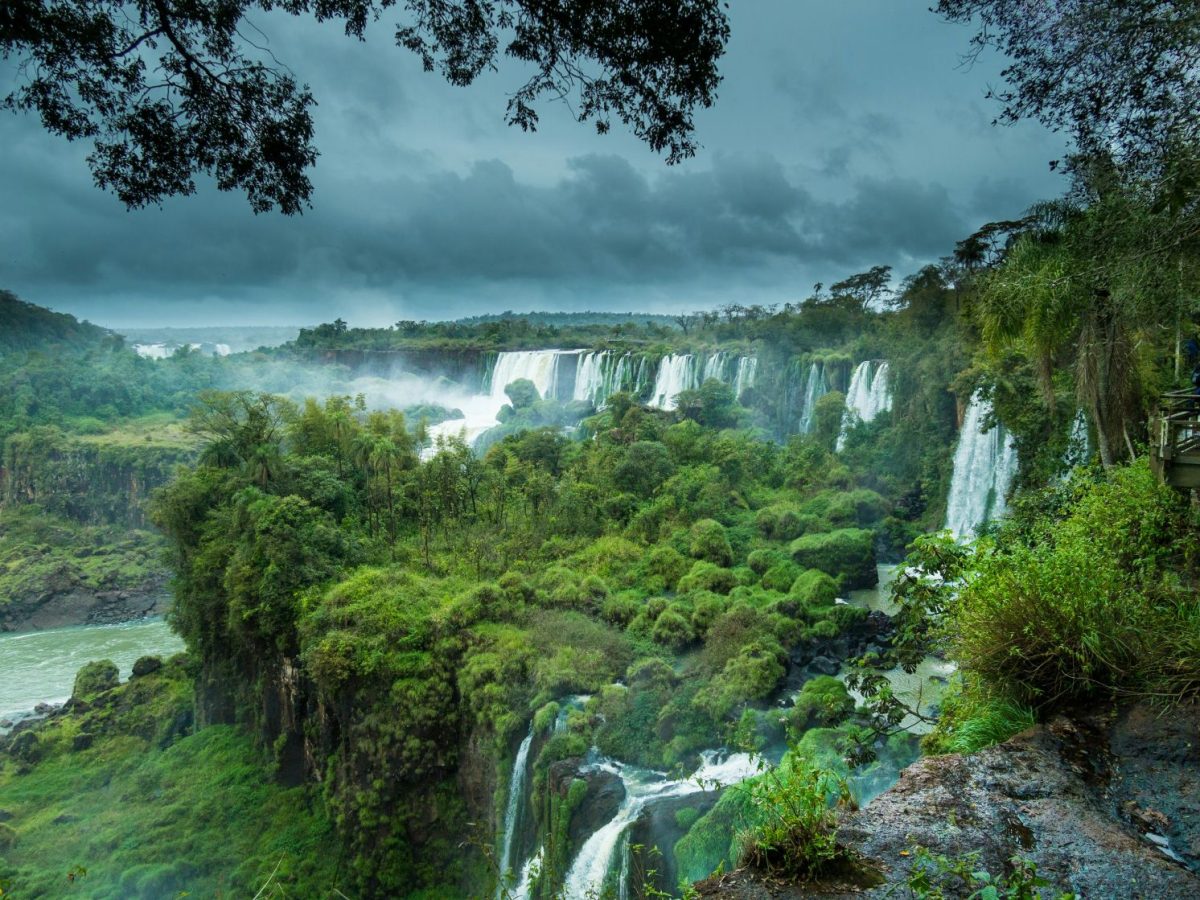
The mighty Iguazu Falls, one of the most spectacular waterfall systems on Earth, is living up to its reputation for drama. Heavy rains linked to El Niño have sent the Iguazu River into overdrive, forcing Argentine authorities to slam the brakes on tourist access once again. On Wednesday, October 14, the Upper and Lower Circuits, the walkways that lead visitors to the heart of the falls, were closed as a precaution. The national park itself remains open, but with a trimmed menu of attractions.
The numbers tell the story. The river's flow surged past 12,000 cubic meters per second on Monday, October 12, more than six times its historical average. That triggered an initial closure, followed by a brief reopening on Tuesday. But the reprieve was short-lived. Water volumes climbed again that afternoon, and by Wednesday, the safety threshold of 11,000 cubic meters per second had been breached once more. Park officials, working with the company that runs the tourist circuits, made the call to restrict access to the most exposed walkways and viewing platforms.
This is not a drill. The falls, which stretch nearly 2,700 meters along the Argentina-Brazil border, are a UNESCO World Heritage site and a bucket-list destination for good reason. But when the river swells, the experience changes fast. As one social media post put it, the difference is stark: water flow hit 455,000 cubic feet per second, a volume that transforms the falls into a thundering, mist-shrouded spectacle. It's awe-inspiring, but it's also dangerous. The walkways, some of which extend over the water, become risky when the current is that strong.
What's Open, What's Not
For travelers, the key distinction is this: an open park does not mean open waterfalls. The Yvyrá Retá visitor center, the Territorio Yaguareté attraction, and the Ecological Jungle Train are expected to keep running, along with restaurants and shops. Entrance prices remain unchanged. But the iconic Devil's Throat walkway, the one that puts you right above the churning abyss, stays firmly closed. It's a disappointment, but it's also a reminder that nature calls the shots here.
Park director José María Hervás explained that persistent rainfall and releases from upstream dams are behind the fluctuating water levels. The situation can change hour to hour. Check official park notices and weather alerts before you go, and be ready to pivot. The Buenos Aires Times reported the park's statement on Monday, which noted that "temporary restrictions are being imposed on the movement of people and access to public-use areas." That's the official language for "the paths are too dangerous right now."
El Niño's Travel Wrinkle
This isn't the first time Iguazu has felt the sting of El Niño. The climate phenomenon, which warms the tropical Pacific and reshapes weather patterns worldwide, brought flooding in 2023 and 2024 that damaged walkways in the Devil's Throat section. In August 2026, authorities removed those walkways as a precaution against another major surge. Now, the region is bracing again. Rising waters along the Uruguay River have forced dozens of residents to evacuate riverside areas in Concordia and Paso de los Libres, extending the impact beyond tourism.
For travelers, the lesson is clear: flexibility is your best travel companion. Book with refundable options, build in buffer days, and have a backup plan. If the falls are off-limits, the surrounding subtropical forest offers hiking, wildlife spotting, and the chance to see toucans and coatis in their natural habitat. The park is a biodiversity hotspot, home to threatened species that depend on the protected corridor between Argentina and Brazil.
El Niño's effects are not uniform. As global tourism shifts, climate patterns are adding a new layer of unpredictability. For tour operators, that means linking contingency plans to official alerts and being transparent about what happens when attractions close. For travelers, it means reading the fine print on insurance policies, especially clauses about weather-related cancellations and missed departures. The sequence at Iguazu, closure, reopening, renewed restriction, is a masterclass in why you should never assume a park will be open just because it was yesterday.
So, if you're planning a trip to Iguazu Falls, keep your plans loose. The falls will still be there, roaring and magnificent, when the water recedes. But the timing of your visit might just depend on the whims of the sky. And that's part of the adventure, if you let it be.