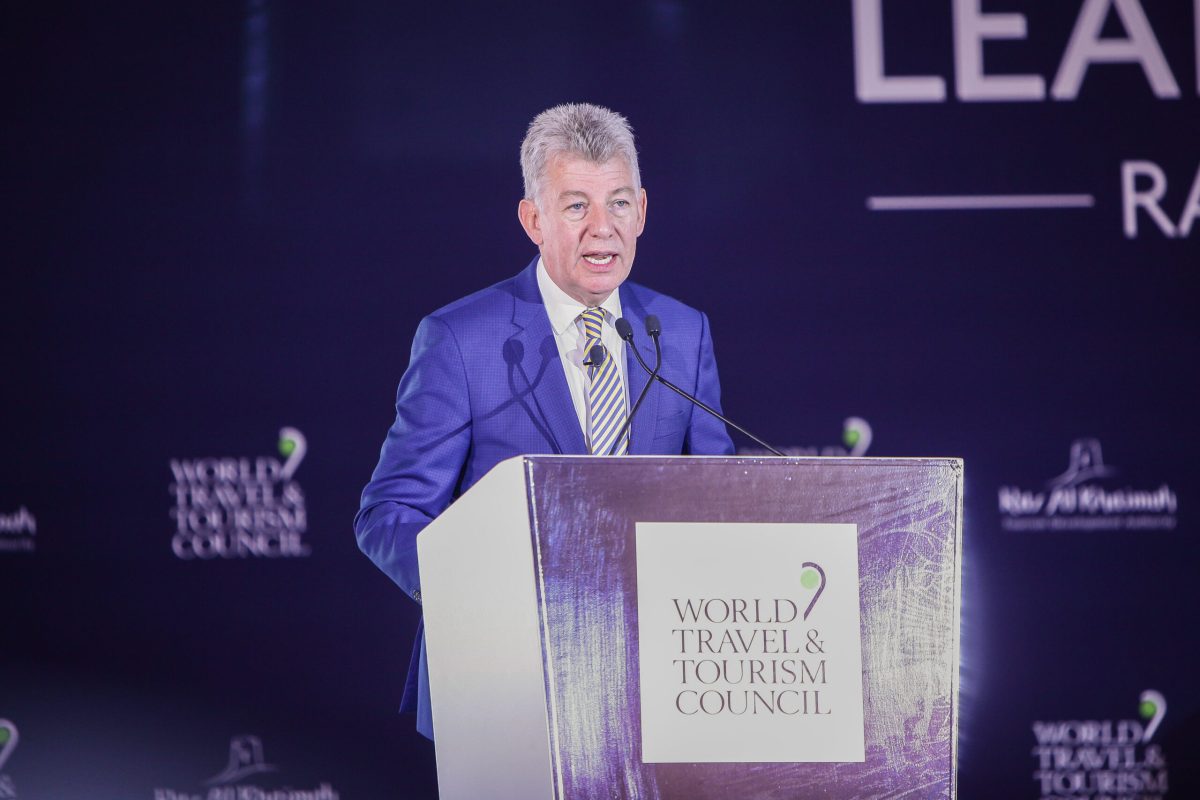
Imagine hopping on a flight from Exeter, Valencia, or Baden-Baden and landing in Dubai, then connecting to anywhere on the planet. That vision is closer than you think, according to Paul Griffiths, the CEO of Dubai Airports. Speaking at a World Travel and Tourism Council summit in Malta, Griffiths laid out a future where narrowbody jets fly longer routes to more regional airports, reshaping how and where we travel.
The plan centers on Al Maktoum International Airport, also known as Dubai World Central. Griffiths wants to turn it into the world's largest airport, with five runways, 400 terminal gates, and capacity for up to 260 million passengers a year by 2032. If all goes well, more than 600 cities could gain direct routes to Dubai. That's a game changer for travelers who currently have to trek to major hubs for long-haul flights.
Griffiths pointed out that aircraft technology is evolving fast. Smaller planes can now cross the Atlantic and land at secondary destinations where filling a widebody jet just isn't viable. "You'll be able to fly from Exeter or Lyon or Marseille to Dubai and then on to the world," he said, calling the shift "a great thing." For regional airports, this could mean a boom in operations and local economies, but only if they get their ground transport in order. Griffiths suggested that investing in surface access is a smart move for communities looking to benefit.
The Catch Is Fuel
More flights mean more emissions, and Griffiths didn't dodge that reality. He called sustainable aviation fuel (SAF) "probably the only way" to tackle aviation's carbon footprint. But production is still far behind where it needs to be. He pointed to Singapore's SAF levy on departing passengers as a model that makes travelers contribute to sustainability without crippling costs for airlines or hubs.
This isn't just about one airport's ambition. The broader industry is watching closely. As airports finally treat sustainability as more than a carbon game, the pressure is on to scale up SAF and other green solutions. Griffiths called on aviation leaders and governments to take environmental control seriously, setting targets and frameworks that balance growth with community impact.
For travelers, the takeaway is twofold. First, more direct routes to secondary cities are on the horizon, which could make trips cheaper and easier. Second, the environmental cost of flying is being addressed, but slowly. If you're planning to fly through Dubai in the coming years, expect changes, from new terminals to potential green levies.
Dubai's expansion is already stirring debate. European pilots have raised concerns about the impact on their jobs and the environment, as Europe's pilots draw a line against Dubai's airline expansion. Meanwhile, the city's tourism rebound after regional turmoil has been strong, as Dubai's tourism rebound after regional turmoil shows. And with Lufthansa's big Dubai comeback starting this October, the hub's appeal is only growing.
Griffiths remains bullish, predicting that over the next decade, regional airports will have "a fantastic opportunity" to expand. But he's also clear that the industry must act responsibly. "Environmental control is not optional," he said, urging stakeholders to set ambitious targets and build the infrastructure to meet them.
So, will you soon be checking in at your local airport for a flight to Dubai? If Griffiths has his way, yes. And with the right investments in fuel and ground transport, that future could be both exciting and sustainable.