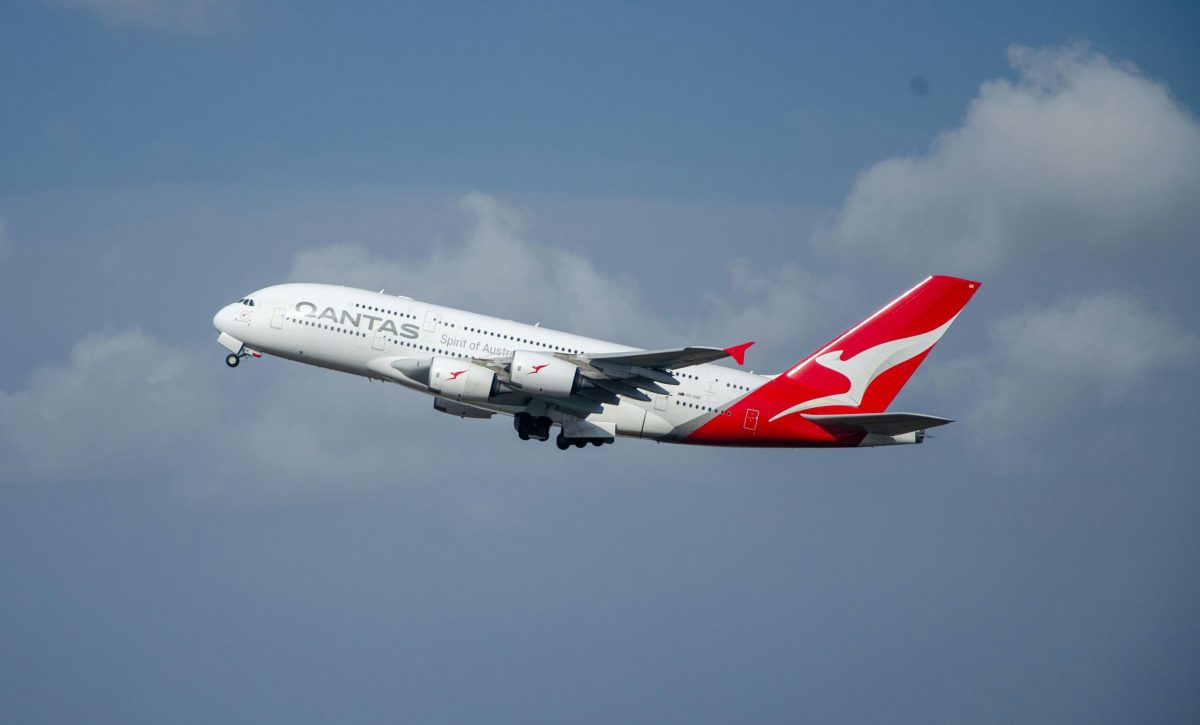
It sounds like the setup to a bad joke. A bug that weighs less than a paperclip brings a 250-tonne aircraft to its knees. But that is exactly what happened on Friday 9 October 2026, when bedbugs were discovered in the economy cabin of a Qantas Boeing 787 Dreamliner bound for Perth.
The flight, which had just landed in Rome after a long haul from Australia, was immediately pulled from service. The airline cancelled the return leg the next day, leaving passengers stranded in the Italian capital. Qantas rebooked affected travellers onto alternative flights within 48 hours and put the aircraft through a deep clean. A spokesperson confirmed that engineers inspected the plane and maintenance crews treated the interior.
How a Tiny Insect Halts a Jumbo
Bedbugs are nocturnal parasites that feed on human blood. They hide in seams, crevices, and folds of fabric, which makes them nearly impossible to spot during a quick turnaround. An adult bedbug is about the size of an apple seed, reddish brown, and flat. They move fast and can survive months without a meal. They do not transmit disease, but their bites leave itchy welts and their presence is enough to make any traveller's skin crawl.
The incident is not isolated. Bedbugs have been making headlines across Europe for years. During the Paris Olympics in 2024, reports of bedbugs on the metro and in hotels sparked a wave of panic. In the UK, pest control firms have reported a steady rise in infestations, with some monitors showing cases climbing by 20 to 25 percent annually in London and other major cities. Just weeks before the Qantas grounding, Southeastern trains in southern England were taken out of service for cleaning, and a library in Eastbourne closed temporarily after the insects were found inside.
What This Means for Travellers
For most of us, the risk of encountering bedbugs on a plane is low but not zero. The insects often hitchhike in luggage or clothing, so they can appear on any airline, in any class. Qantas says it deep cleans and disinfects its entire fleet every 50 days, which is standard practice in the industry. But even the most rigorous schedule can miss a bug that hides in a seat pocket or under an armrest.
If you are worried about bedbugs on your next flight, there are a few practical steps you can take. Check your seat and the area around you before settling in. Look for small rust coloured spots on the fabric, which could be dried blood or excrement. If you spot anything suspicious, alert a crew member immediately. Once you reach your destination, inspect your luggage before bringing it inside your home. Wash your clothes on a hot cycle, at least 60 degrees Celsius, and vacuum your suitcase thoroughly.
This is not the first time a tiny creature has disrupted air travel. Earlier this year, a power bank caught fire mid-flight and forced an IndiGo plane to land early, a reminder that even small items can cause big problems at 35,000 feet. And while bedbugs are not dangerous, they are a nuisance that no traveller wants to deal with.
The Qantas incident also highlights how quickly a single oversight can spiral. The airline apologised to affected passengers and said it was reviewing its cleaning procedures. For now, the Dreamliner is back in service, but the story serves as a reminder that even the most advanced aircraft are vulnerable to the smallest of stowaways.
If you are planning a long haul trip, it might be worth checking your airline's cleaning policies before you book. Some carriers are more transparent than others about their pest control measures. And if you are flying out of a busy hub like Rome, consider packing a small travel sized insect repellent or a portable steamer, just in case. It is a small step that could save you a lot of itching.
For more travel news and tips, check out our guide on the exact days to book holiday flights and save big in 2026, or read about the time a passenger hid live birds in his underwear on a flight from Cuba. Both stories prove that air travel is never boring.