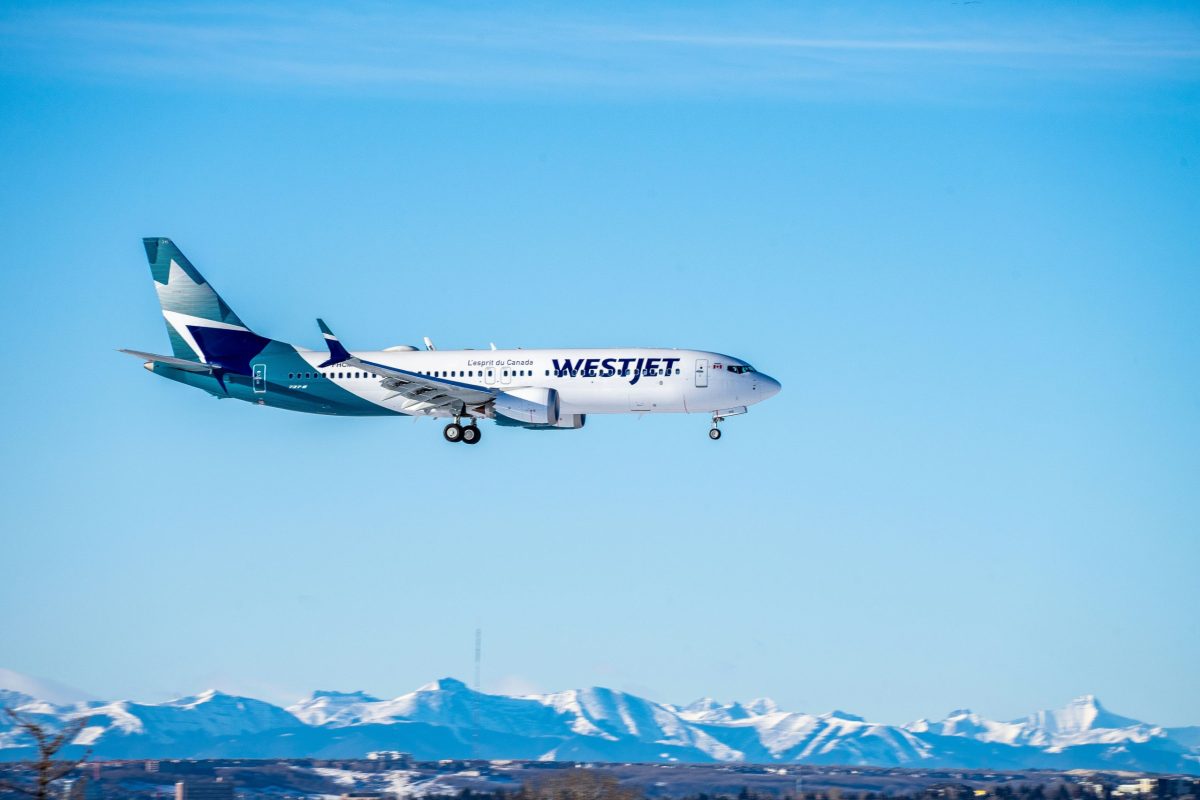
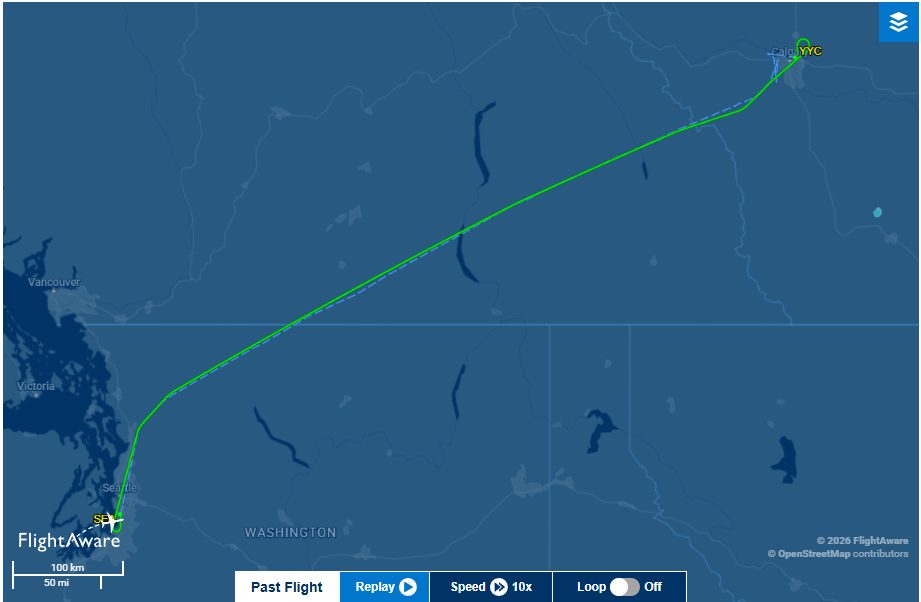
Flying is a ballet of precision, but sometimes the choreography falls apart before the plane even leaves the gate. That's exactly what happened to WestJet flight WS1553, a Boeing 737-800 bound for Calgary, when it spent over half an hour crawling across the tarmac at Seattle-Tacoma International Airport. The pilot, clearly fed up, burned 800 pounds of jet fuel just to reach the runway, enough to power the aircraft for eight minutes of cruise flight or cover roughly 110 kilometers, about the distance from Brussels to Lille.
The trouble started early. The flight was scheduled to depart at 10:30 am, but a delay pushed the pushback to just after 1:00 pm. Then came the taxi. The plane meandered through the airport's maze of taxiways, waiting and stopping, until it finally took off at 1:35 pm. For passengers, it was an exercise in patience. For the pilot, it was a glaring example of what he called "pretty classic" behavior for Seattle-Tacoma, a sentiment that has since rippled through the aviation community.
A Runway Closure That Changes Everything
The root cause is a construction project that has taken one of the airport's three parallel runways out of service. The middle runway, 16C/34C, will remain closed until November 15, 2026, forcing all traffic to squeeze onto the remaining two. That bottleneck turns routine taxiing into a slow, fuel-hungry crawl, especially during peak hours. The pilot's foresight saved the day, as he had requested extra fuel before departure, anticipating the delay. Without that buffer, the plane would have been forced to return to the gate to refuel, adding even more chaos to an already messy afternoon.
This incident isn't just a one-off complaint. It highlights a growing operational risk for airlines across North America, where airports are aging and infrastructure projects are becoming more common. As AI copilots begin to assist in the cockpit, human pilots still bear the burden of predicting ground delays and managing fuel loads. The WestJet crew's decision to top up the tanks was a small victory for common sense, but it raises a bigger question: how much fuel is being wasted every day at airports like Seattle, and who pays the price?
The Hidden Cost of Tarmac Traffic
For travelers, the takeaway is practical. If you're flying out of Seattle-Tacoma before the runway reopens, expect potential delays and longer taxi times. Airlines are aware of the issue, but the extra fuel burns money and increases emissions, a double whammy for an industry already under pressure to go green. The pilot's acerbic remarks, first reported by Airlive, underscore a frustration shared by many in the cockpit. It's not just about inconvenience, it's about efficiency and safety, as missed warnings and poor planning can have serious consequences.
This episode also shines a light on the unsung role of pilots in keeping flights on track. They're not just flying the plane, they're managing a complex web of logistics, from fuel loads to ground traffic. As European pilots push back against operational pressures, the Seattle situation is a reminder that ground delays are a global issue. For now, the best advice for passengers is to pack patience and maybe a snack, because the tarmac at Sea-Tac might be the longest part of your journey.
The good news? The runway is scheduled to reopen in late 2026, which should ease the congestion. Until then, the closure of runway 16C/34C is a key factor in your travel plans. And if you're wondering how to pass the time during a taxi, consider this: you could always simulate the flight yourself, but nothing beats the real thing, even if it means a little extra time on the ground.