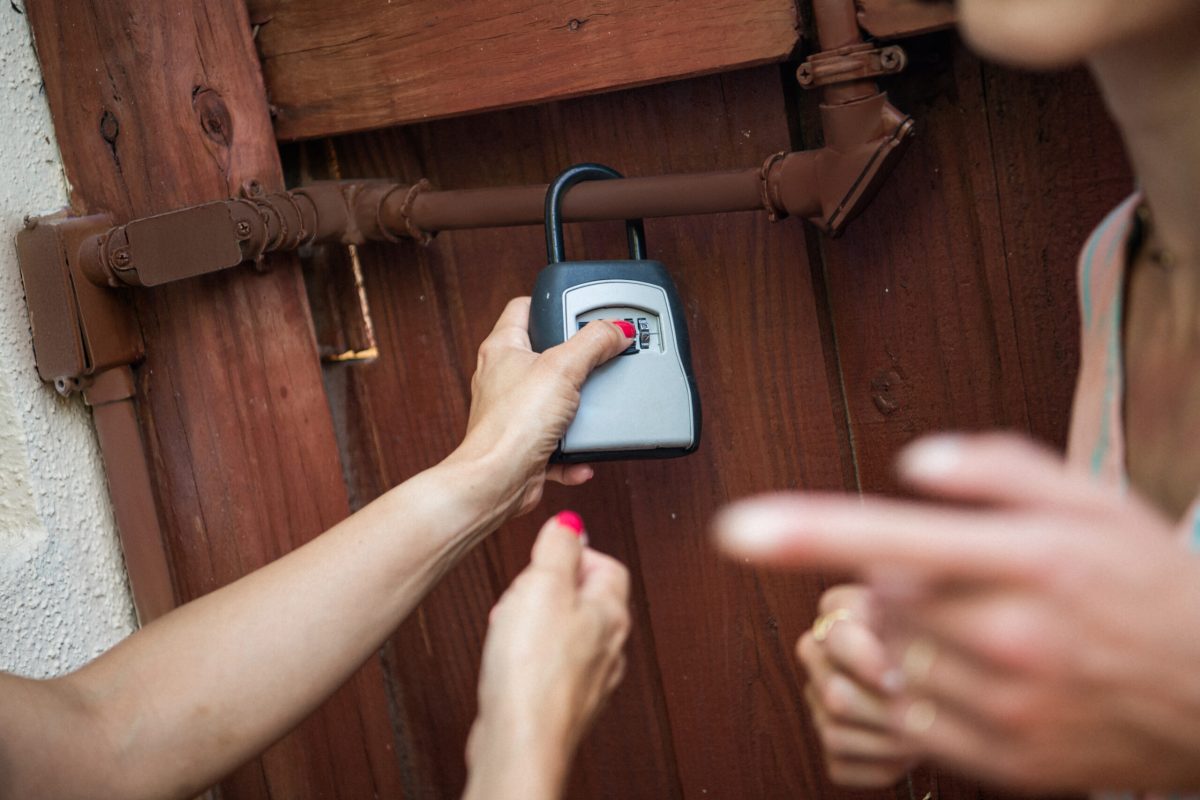
Every summer, the same story plays out: holiday weekends bring chaos to rental neighborhoods. Airbnb is betting that smarter technology can change that. The platform is rolling out its anti-party detection system again this July 4th weekend, a move that's become routine for the company but remains contentious among property owners who worry it cuts into their busiest booking window.
The system works like a bouncer at the door of the digital world. When you try to book an entire home, Airbnb's algorithms scan your reservation for red flags: how far in advance you booked, how long you're staying, whether your booking pattern matches previous party offenders. If the system thinks you're high-risk, you get blocked from booking that property or redirected toward private rooms or hotels instead. Airbnb won't detail exactly how these algorithms work, but the company has been refining them since 2020.
The results speak for themselves, at least on paper. During last year's Fourth of July weekend, the system redirected more than 20,000 guests away from entire-home listings. Florida, Texas, and California saw the heaviest intervention, with roughly 3,100, 3,100, and 2,500 guests blocked respectively. This marks the fifth consecutive year Airbnb has deployed these defenses specifically for July 4th, suggesting the company sees it as one of the riskiest weekends on its calendar.
Why Airbnb Had to Get Serious About Parties
The platform didn't adopt this stance out of nowhere. In 2022, Airbnb made its ban on unauthorized gatherings permanent, upgrading from a temporary pandemic-era rule to official policy. The reason? Airbnb Just Became Your Holiday Concierge (Whether You Asked or Not), and one of its duties is damage control when things go wrong.
Recent incidents have put pressure on the company to act. A Texas mansion rented through Airbnb for what the guest claimed would be a seven-person gathering instead hosted between 500 and 800 teenagers. The resulting damage was catastrophic. In another case, a shooting at an Airbnb house party in Butchertown, Kentucky left three people hospitalized. These aren't edge cases; they're wake-up calls that when rental homes become party venues, disaster follows.
The Host Dilemma
There's a flip side to all this caution. Property managers are frustrated. Josh Zozosky, who oversees more than 50 Airbnb homes in Charlotte, North Carolina, told local news that his houses frequently sit empty during peak holidays like July 4th. "Nothing we can do if we rely solely on Airbnb to fill those bookings," he said. The anti-party system is protective for some hosts but punishing for others, especially those running legitimate operations who depend on holiday weekends to cover their annual income.
The tension is real. Zozosky and others want Airbnb to strengthen its support when parties do happen, rather than just preventing them through aggressive filtering. The company's blocking of 20,000 bookings means 20,000 fewer opportunities for hosts to earn revenue, even if most of those bookings would have been legitimate. It's a blunt instrument solving a real problem.
What This Means for Travelers
If you're planning a July 4th getaway, you need to know this: your booking will be scrutinized. Booking last-minute? That's a red flag. Booking an entire home for just one night during peak season? Another. Young traveler, new to the platform, short reservation window? The algorithm is watching. It's not personal, but it can feel that way when your perfect rental becomes unavailable.
For most guests, this won't matter. Airbnb reports that fewer than 0.06% of US bookings in 2025 resulted in a reported party. Those are decent odds. But if you fall into a demographic or booking pattern the system deems suspicious, you may find yourself blocked or redirected before you even realize it happened.
The reality is that the short-term rental industry is in a constant tug-of-war between access, safety, and profit. Airbnb's solution is data-driven enforcement, powered by the kind of surveillance technology that keeps platforms humming and communities slightly safer. Whether that's worth the trade-off in lost bookings and frustrated hosts depends on who you ask.