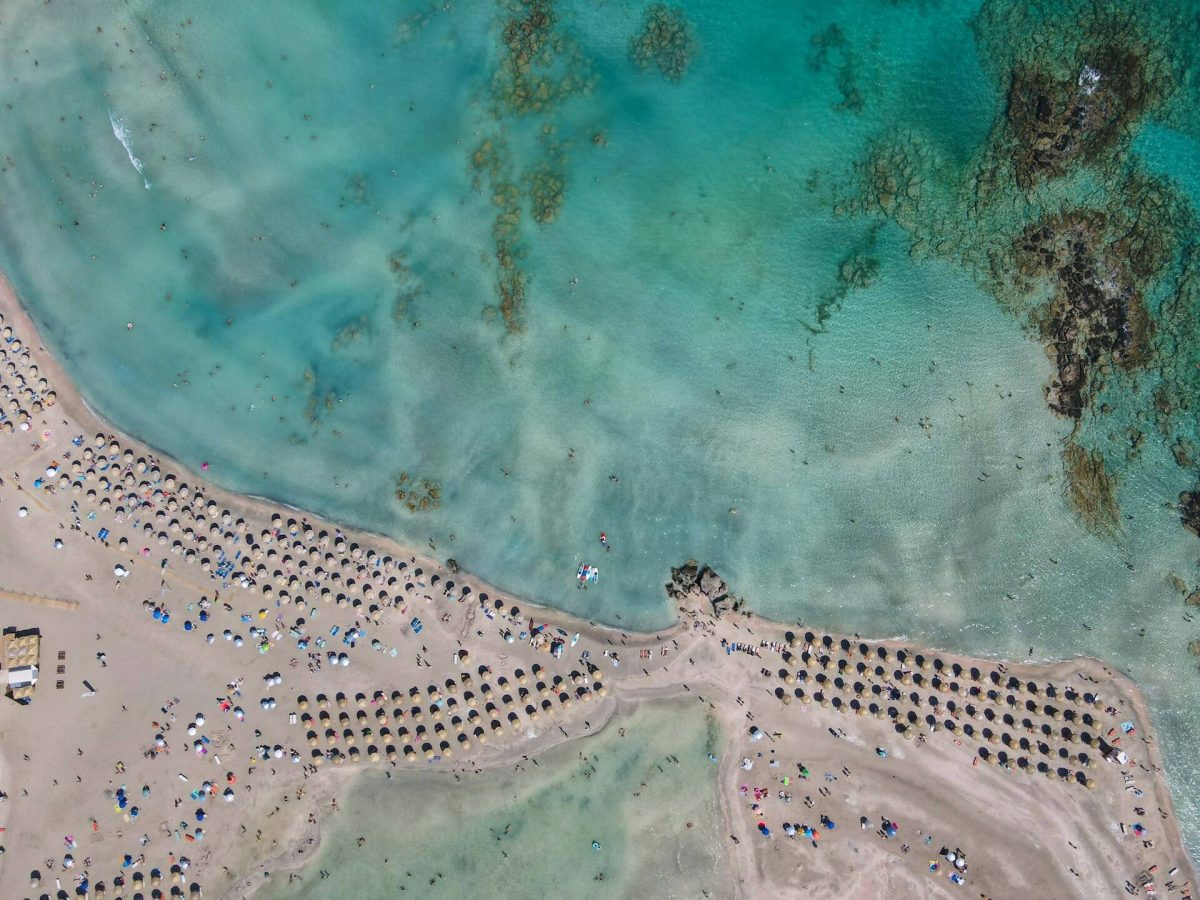
Greece is drawing a line in the sand, literally. The country has just expanded its list of protected beaches to 250 locations where sunbeds, umbrellas, water sports rentals, and organized events are now banned. This isn't about keeping tourists out entirely, but rather resetting the relationship between visitors and the shoreline.
The policy targets commercial beach culture specifically. Vendors can no longer install rental equipment like jet skis, pedalos, or kayaks. Loud music gets silenced. Cars are prohibited from driving on the sand. Even hotels lose the right to claim private beach sections or build permanent structures nearby. It's a fairly radical move in a country where beach tourism generates billions in revenue annually.
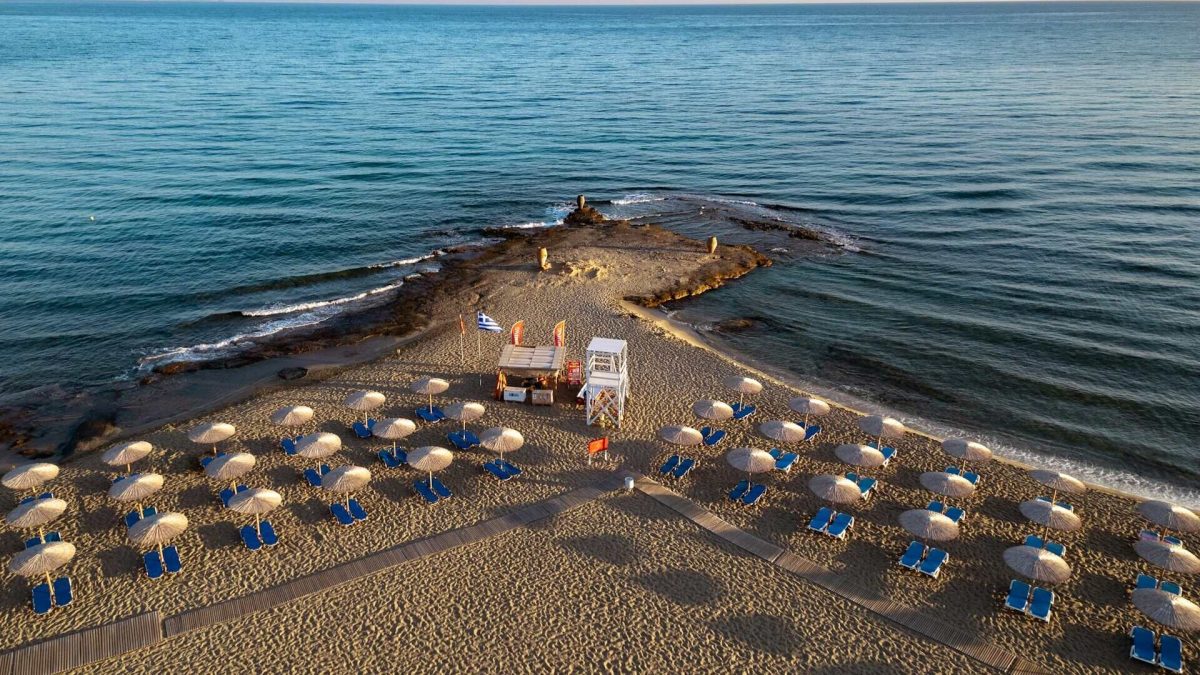
What can still happen? Visitors arrive with their own towels, sit on the sand, and grab a drink or snack from small mobile vendors. You're not barred from the water. You're just experiencing it without the infrastructure that's transformed many Mediterranean beaches into extensions of the resort hotel parking lot.
Why Greece is doing this now
The pressure has been building for years. Popular beaches across the Aegean and Ionian islands have become so crowded that the ground itself is literally wearing away. Many of these protected shores support rare plants and wildlife that can't survive alongside umbrellas, lounge chairs, and boom boxes. Some host sea turtle nesting sites or harbor plants found nowhere else in Europe. Climate change has only intensified the vulnerability.
Several of the newly protected beaches fall within the Natura 2000 network, Europe's continental system for safeguarding crucial habitats. On these sites, the restrictions are even stricter. Any activity that could alter the natural shape of the coast or damage its ecological function gets blocked. It's conservation with teeth.
The announcement came jointly from Greece's financial and environmental ministries right before peak season, signaling serious intent. The government wants to prove it's serious about balancing tourism prosperity with long-term environmental survival. This echoes broader European concerns about overtourism. Similar protective strategies are being examined across the continent as destinations grapple with visitor volume.
Where these beaches are scattered across Greece
The protected locations span the entire country. Crete, Rhodes, Corfu, Lefkada, and the Cyclades all have multiple sites. The island of Leipsoi stands out with over 20 untouched beaches, the highest concentration in Greece. If pink sand intrigues you, Elafonissi Beach in Crete remains protected while maintaining its fame for those distinctive seashells crushed into the shoreline.
Travelers planning summer trips will benefit from knowing which beaches fall under the new rules. The MyCoast app helps visitors identify protected locations in advance, allowing you to choose whether you want the quiet, natural experience or prefer heading to a beach with full resort amenities. Greece has also made entry easier for British visitors, so more people will be exploring the coastline this season.
What this actually changes for travelers
If you're someone who books a beach day based on having a rented sunbed waiting for you, these sites won't work. You'll need to pack your own towel, arrive earlier to claim a good spot, and bring water from elsewhere. There's no infrastructure to speak of. For others, that's precisely the appeal. Quiet stretches of natural coast have become rare enough in Mediterranean tourism that they're worth seeking out.
The move reflects a wider shift in how Europe approaches coastal travel. Tenerife has already invested 81 million euros in beach restoration, showing that island destinations across the continent recognize erosion and overtourism as existential threats. Greece's decision to restrict commercial activity rather than just manage visitor numbers is bolder than most.
For Greece, the calculation is straightforward. The short-term revenue hit from losing sunbed rentals and jet ski operators is worth preserving the ecosystems that make Greece worth visiting in the first place. A beach destroyed by overuse generates zero tourism revenue forever. One that remains natural and wild keeps drawing travelers seeking authenticity.


