There's a growing belief across Europe that the best tourism doesn't just look nice in photos. It respects the place, the people who live there, and the planet itself. That philosophy just got a major spotlight with the opening of the 2026 Destination of Sustainable Cultural Tourism Awards, a competition run by the European Cultural Tourism Network (ECTN) alongside Europa Nostra, the European Travel Commission, and NECSTouR.
For towns and regions that have spent the last three years building smarter ways to welcome visitors while keeping their culture alive, the deadline is May 15, 2026. The awards aren't just handing out trophies. Winners become models that inspire change across the continent, and finalists get invited to celebrate at the 19th International Conference for Cultural Tourism on the Greek island of Skiathos in late September 2026.
The competition spans six distinct categories, each reflecting what European tourism leaders see as the priorities shaping travel right now. One category focuses on making cultural tourism resilient in the face of climate change and environmental pressure. Another celebrates creative tourism where visitors help shape their own experiences rather than following a script. There's a category devoted entirely to using technology to enhance heritage tourism without losing its soul, plus one recognizing transnational routes that connect culture across borders, from the European Cultural Routes to heritage label networks.
What makes this different from other tourism contests is the emphasis on access and regeneration. Two categories specifically reward destinations that make culture reachable through walking, cycling, and hiking tourism, and others celebrate how heritage can actually revive communities that had been overlooked by mainstream tourism. Europe's tourism industry is finally ditching its playbook, and these awards are proof that the shift is becoming official policy.
Who Can Enter and What They Need to Show
Local governments, regional authorities, tourism boards, cultural institutions, and nonprofits can all submit entries. The key requirement is straightforward: demonstrate real, measurable results from the past three years. This isn't theoretical. Awards organizers want to see communities that have actually changed how tourism works in their region.
The overarching theme for 2026 is "Sustainable Tourism Strategy and Culture Compass for Europe: Synergies for Regenerative, Smart and Resilient Cultural Tourism." That mouthful hides something practical. Tourism should strengthen local identity, support the people who call these places home, and breathe life back into regions that bigger destinations have left behind. Think of it as the opposite of over-tourism.
Why This Matters for Travelers and Towns Alike
The awards connect directly to broader European goals around green transitions, digital innovation, and social inclusion. But for travelers, the real payoff is simpler: winning destinations are building experiences that feel authentic because they actually are. You're not just visiting a heritage site. You're supporting a model that keeps local traditions alive while protecting the environment.
Belgium just broke its tourism record again, partly because destinations there have figured out how to handle visitor numbers without destroying what makes them worth visiting. The awards recognize that same thinking spreading across Europe.
Now in its ninth year, the awards build on earlier competitions tied to the European Year of Cultural Heritage. That consistency matters. It signals that sustainable cultural tourism is no longer a niche idea. It's becoming how Europe wants tourism to work.
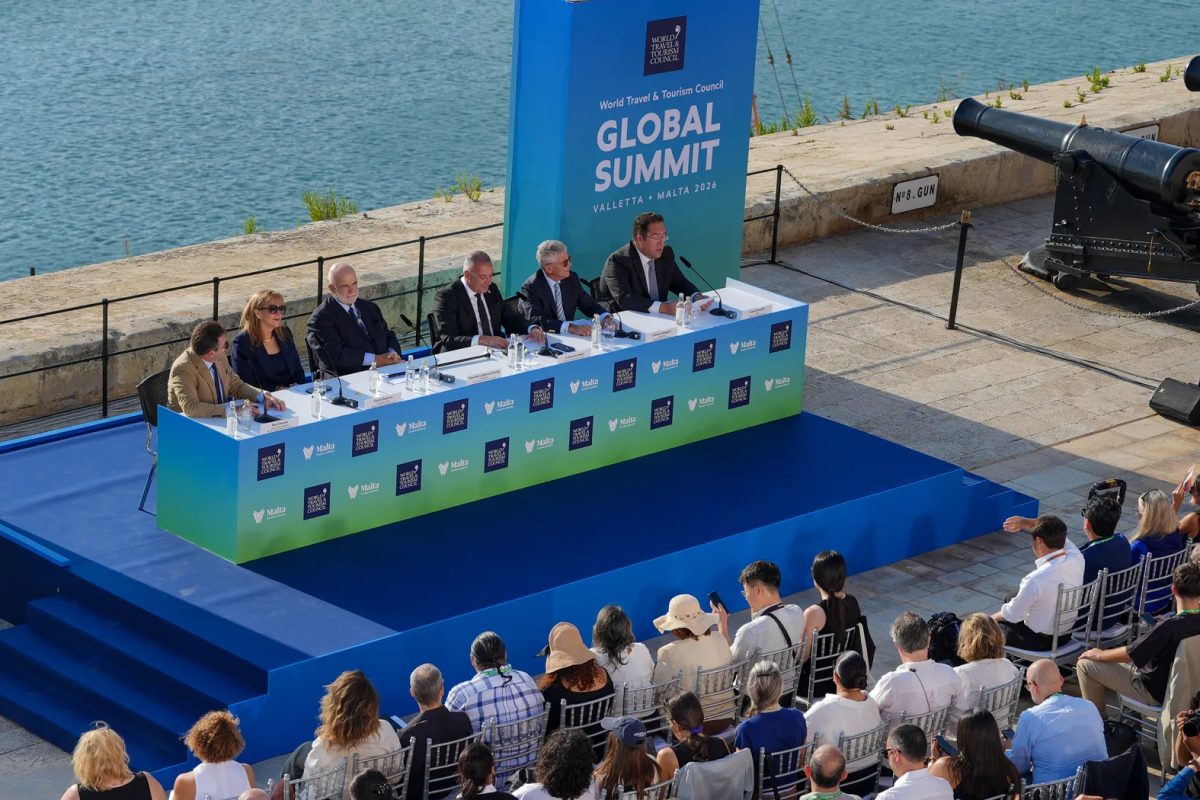
Finalists will gather in Skiathos for the award ceremony, turning September into a celebration of the destinations doing this work right. For towns and regions still trying to figure out the balance between welcoming visitors and protecting their own future, the competition offers both a deadline and inspiration. Apply by May 15, 2026, and show what you've built. The rest of Europe is watching.