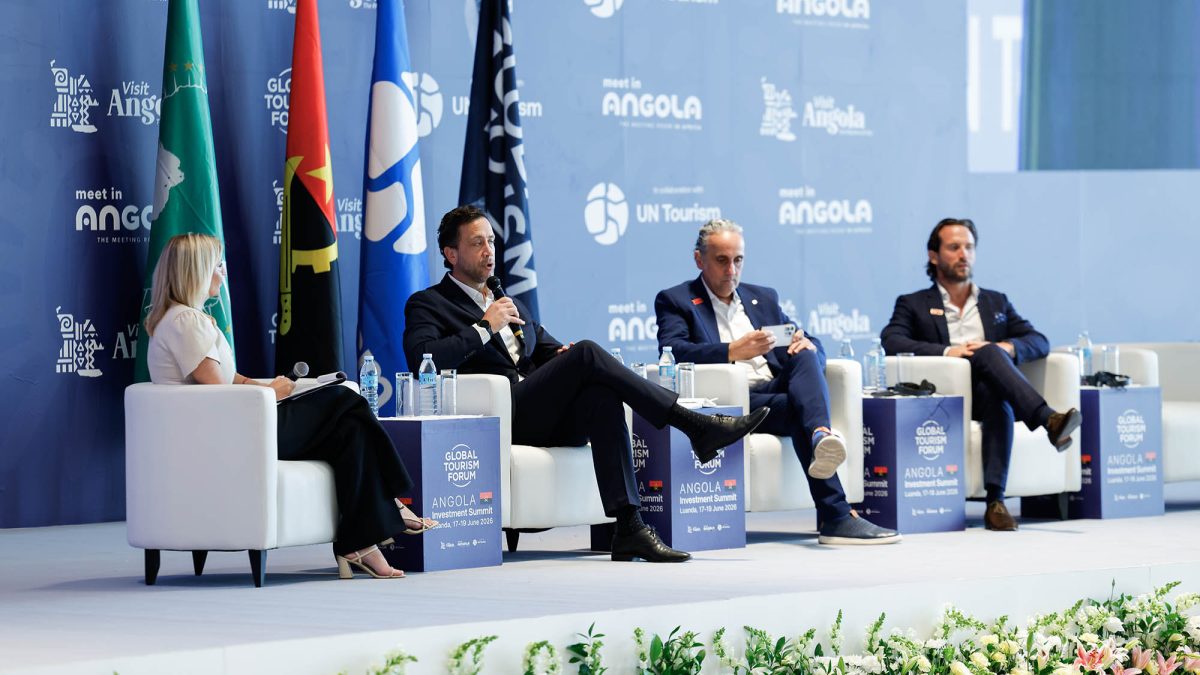
Angola is having a moment. At the Global Tourism Forum Angola Investment Summit in Luanda this past June, three of the hospitality world's heaviest hitters gathered to discuss what they see happening in a country that's been largely off the mainstream travel radar. The message was clear: Angola is ready, and major investment is coming.
The panel brought together Esteban Lozada from Hilton Hotels, Wesam Okasha from TUI Hotels & Resorts, and Erwan Garnier from Radisson Hotels, all tasked with spotting where the next generation of profitable hotel developments should go. What they found in Angola surprised even seasoned developers who've spent years tracking emerging markets across Africa.
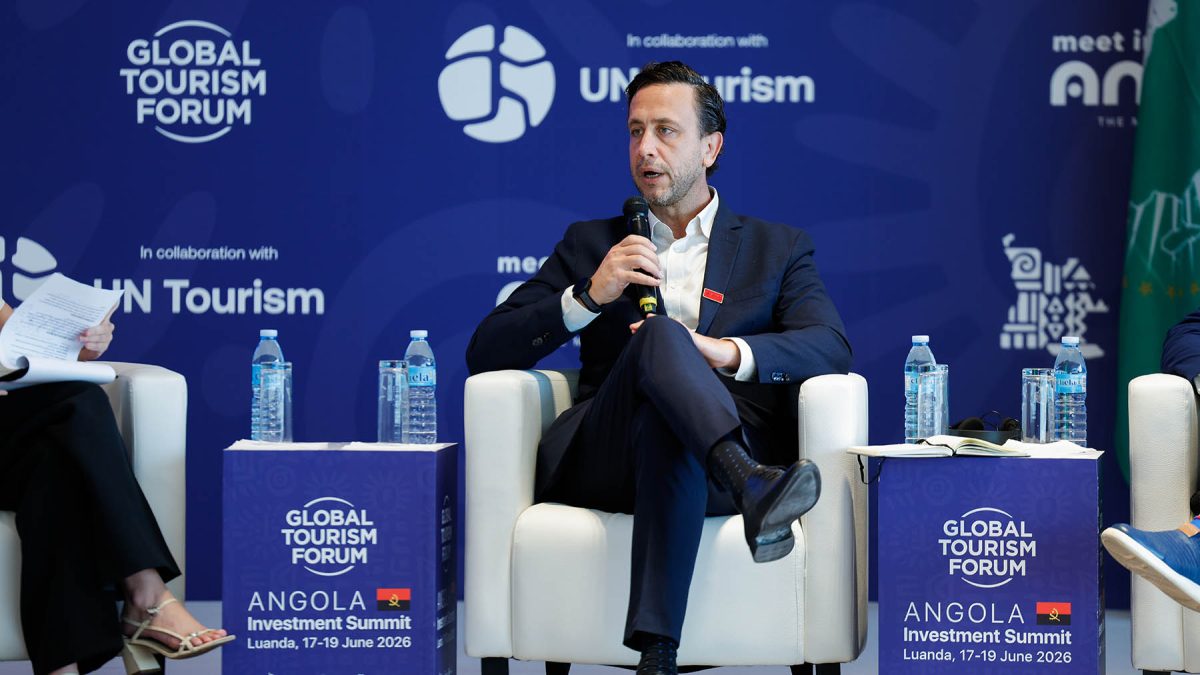
What makes Angola suddenly attractive
So what changed? Start with infrastructure. A new international airport means travelers can actually arrive easily. The government has been pushing serious reforms to make investment simpler and more profitable. Angola's pushing hard to diversify beyond oil, and tourism is a central part of that plan. President João Lourenço opened the summit by highlighting these economic shifts, signaling that the country is serious about building a hospitality sector.
But raw infrastructure isn't enough. Hotel executives look at dozens of factors before committing billions. They're asking: Are there demand generators (business travelers, tourists, conferences)? Is the airport connectivity strong? Are hospitals reliable? Is the security situation stable? Does the broader economy support growth? Angola is checking more of these boxes than it did even five years ago.
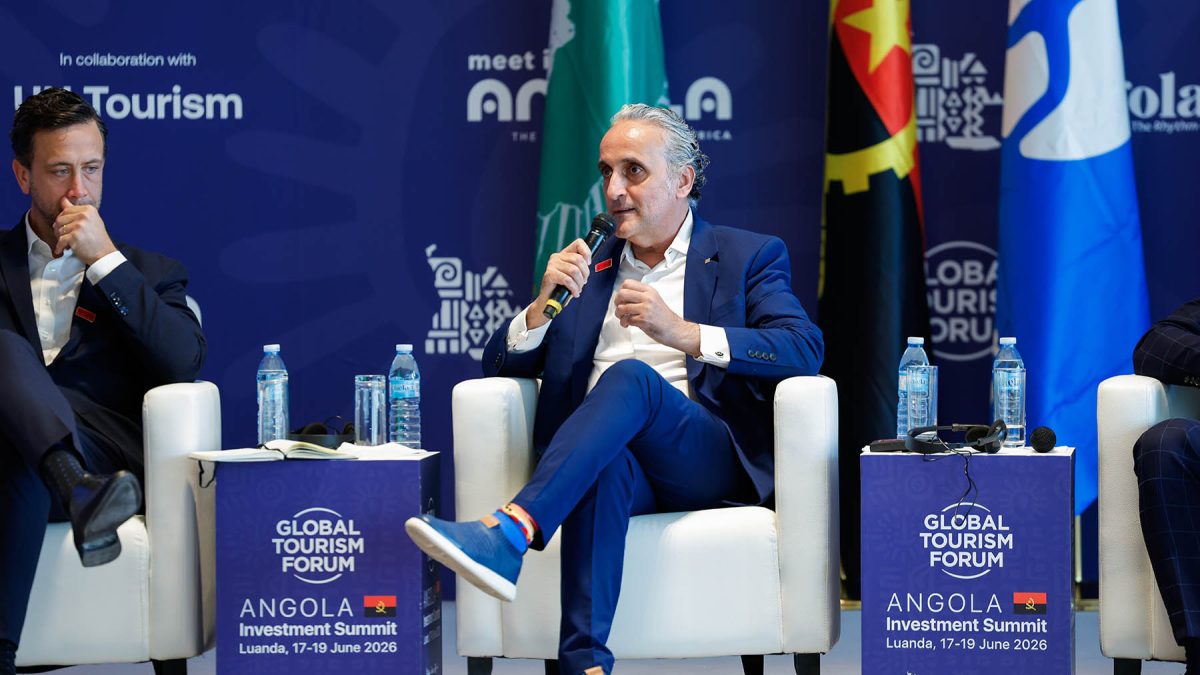
For Lozada at Hilton, the country's potential lies in its diversity and improving fundamentals. Several major hotel projects are already in development, and Hilton is expanding its African footprint aggressively. But the real advantage is that Angola doesn't feel saturated yet. There's room to build something meaningful without competing against an oversupply of rooms.
How TUI plans to do it differently
TUI's strategy reveals something crucial about what makes Angola attractive right now. Rather than just dropping rooms in a city center, the brand wants to apply what they call their cluster model: a combination of room types, diverse experiences, multiple brands, and tourism tied directly to local communities. Angola's 1,600-kilometer coastline offers golf, beach leisure, nature reserves, and cultural experiences all within reach of each other. That's the kind of variety that lets you build a well-rounded destination, not just a single resort.
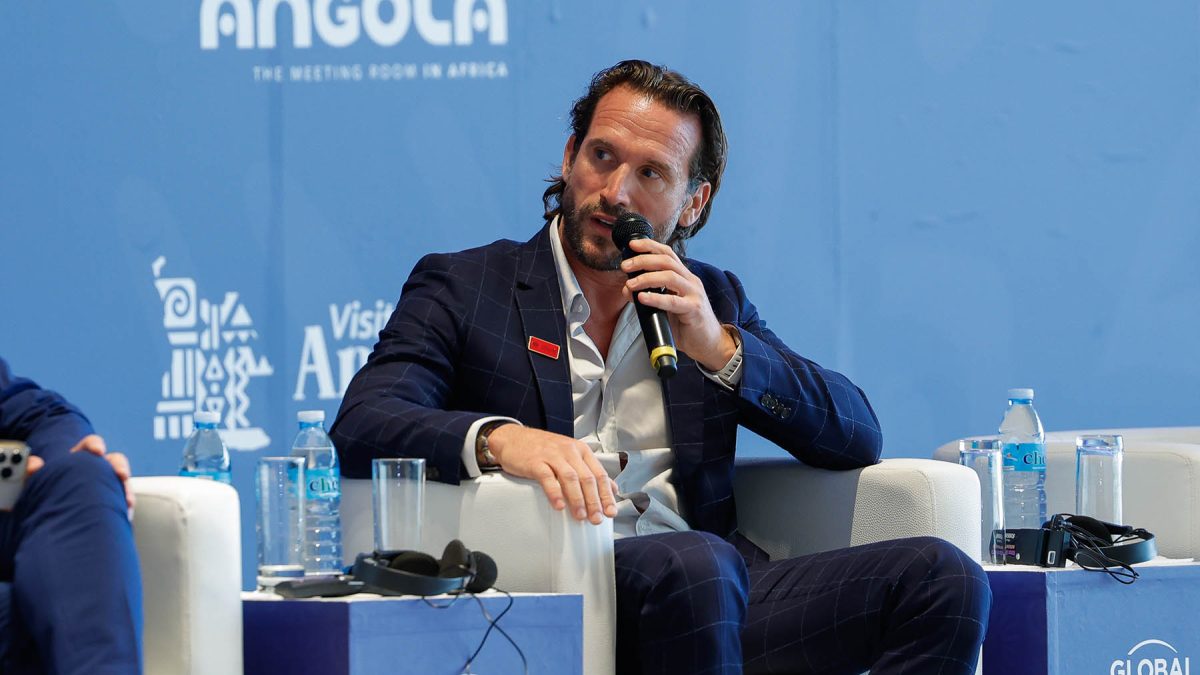
What really signals TUI's long-term commitment is their bet on people. Their first Angola project includes plans for a hotel school that will train over 2,000 locals for the hospitality sector. This isn't window dressing. If Angola's tourism industry is going to work, it needs workers with proper training, not imported staff. TUI is also binding their Angola projects to their net-zero commitment by 2050, building sustainability into the design from day one rather than bolting it on later.
Radisson's patient approach
Erwan Garnier from Radisson brought a different perspective. His brand has been studying Angola quietly for over a decade, watching conditions evolve. That patience matters. He was honest about why so many African hotel projects fail: lack of funding, high development costs, poor project structuring, and execution problems specific to each market.
The secret, he explained, is working closely with local investors, local talent, and long-term partners rather than trying to impose a cookie-cutter approach. Angola's partnerships with global players like the UAE show how regional collaboration is accelerating change. These partnerships create the stability that international brands need to commit real capital.
The reality check
This isn't hype. These are companies that have learned hard lessons in places where promises didn't match reality. They wouldn't be publicly committing to Angola if the fundamentals weren't there. Business travel alone could anchor Angola's hospitality growth, which is less vulnerable to tourism downturns than leisure travel.
But the executives were also clear on one thing: Angola's future depends on the government maintaining momentum. The investment climate needs to stay business-friendly. Airport connectivity needs to keep improving. Training programs need proper funding. If those conditions hold, the panel suggested the hospitality industry in Angola could flourish in ways that create jobs, tax revenue, and real economic benefits beyond hotel chains.
For travelers, this means something simple: Angola won't stay off the map much longer. In a few years, this might be where you're booking your next African trip, not because it's the adventure de jour, but because the infrastructure, service, and experiences will actually be there.