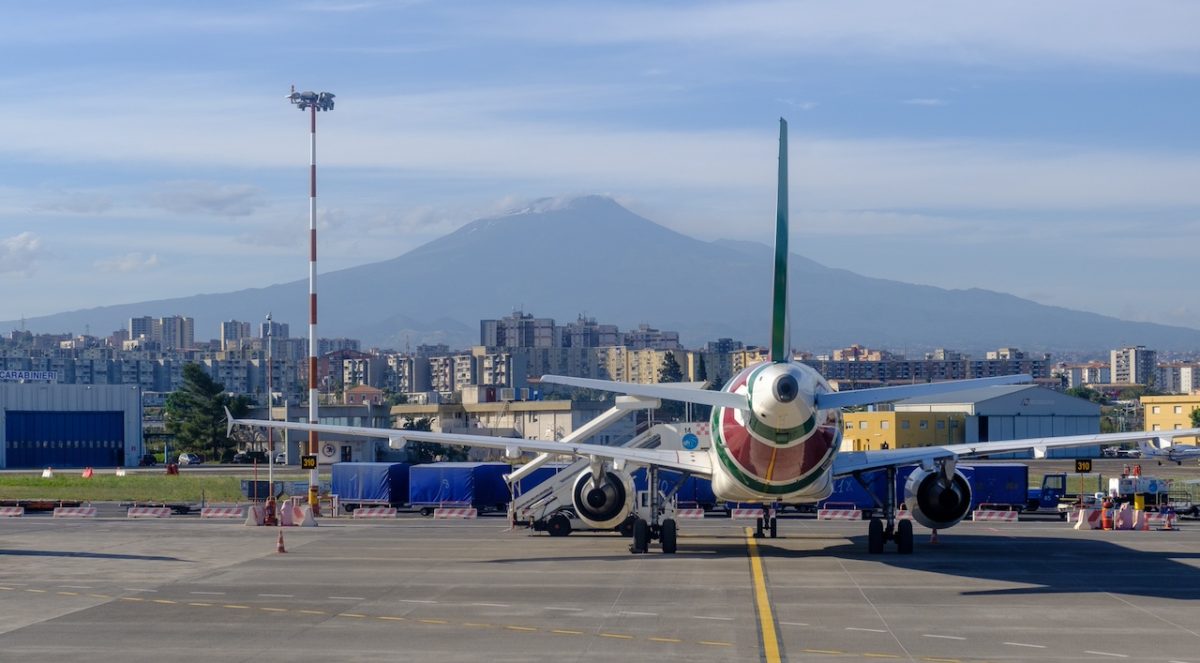
Sicily's airport chaos began early on July 5, 2026, when Mount Etna decided to remind everyone why it earned its reputation as Europe's most restless volcano. Ash and volcanic material erupted from a vent near the Voragine summit crater, shooting plumes of debris into the atmosphere and directly into the paths of aircraft. By July 6, Catania Airport, the island's main hub, had no choice but to shut down entirely.
The numbers tell the story. Around 130 flights were cancelled outright, while another 50 got diverted to alternative airports. The cancellation list reads like a who's who of European budget and legacy carriers: Ryanair, easyJet, British Airways, Wizz Air, ITA Airways, Lufthansa, KLM, Air France, Iberia, Jet2, and others. Most routes connect Sicily to destinations across Europe, though some long-haul services to New York and Montreal also took a hit. If you had a ticket through Catania that day, you weren't flying anywhere soon.
When Volcanoes Make Flying Impossible
Volcanic ash isn't like regular clouds. Particles are sharp, abrasive, and essentially poison to jet engines. When ash enters an engine, it can reduce visibility to dangerous levels, clog fuel systems, and cause temperatures to spike in ways that turn a safe flight into a mechanical nightmare. That's why aviation authorities take this threat seriously. The Volcano Observatory Notice for Aviation (VONA) issued the highest red-level alert, signalling that aircraft absolutely should not attempt to take off or land.
The ash column itself reached about 4,500 metres into the atmosphere before dispersing. The pyroclastic activity on July 5 produced spectacular imagery, the kind of natural theater that looks incredible from a distance but becomes a serious problem for air traffic control when you're trying to move 40,000 passengers a day. Weather patterns then carried that ash across significant distances, forcing aviation authorities to make conservative decisions about when flights could safely resume.
The Domino Effect Across Europe
One airport closure ripples outward fast. Palermo Airport, on the northwestern coast of Sicily, suddenly became the island's lifeline, handling dozens of extra flights on July 5 alone with more expected to follow. Comiso and Trapani airports also absorbed diverted traffic. Airlines got creative with alternatives, routing some flights to Rome and Vienna. For passengers who did land in Palermo instead of Catania, several carriers arranged bus transfers to get travelers to their intended destinations.
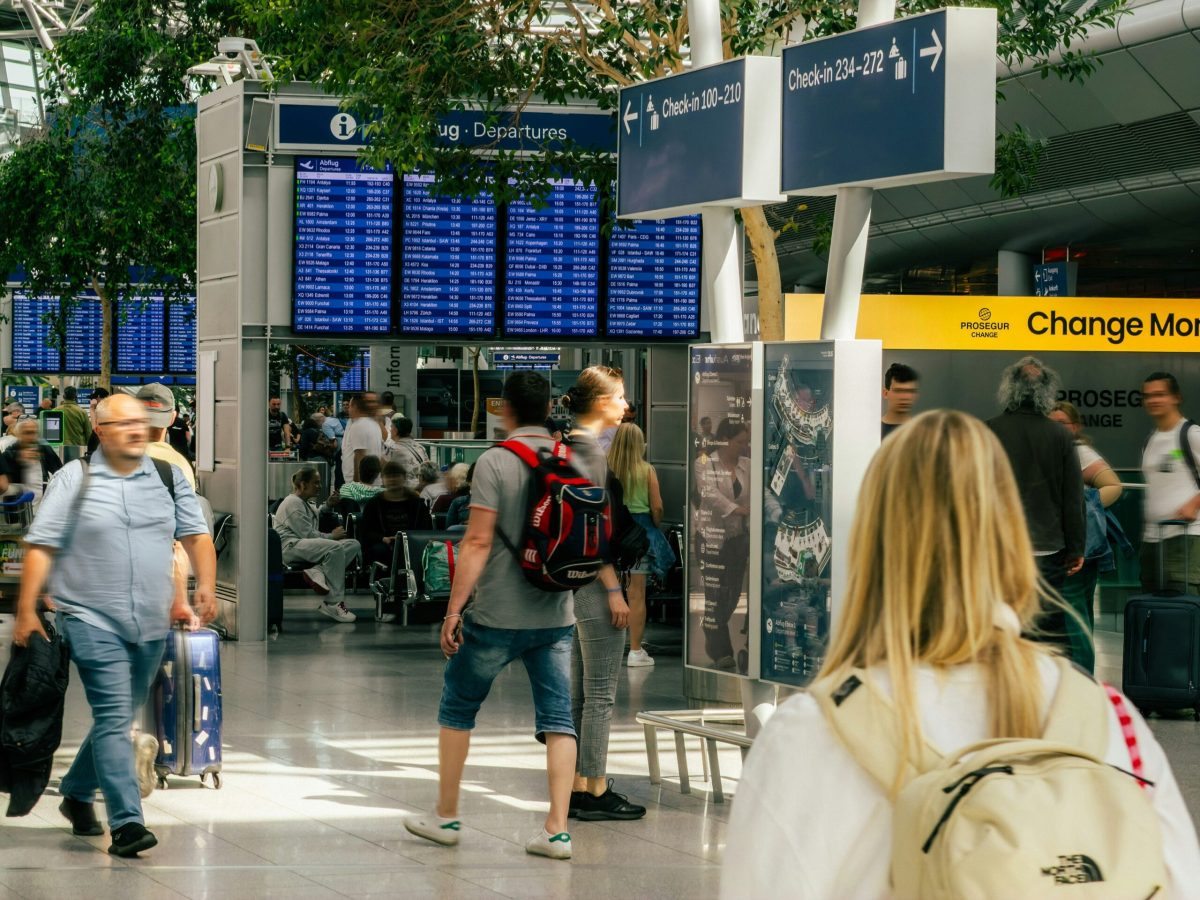
The situation exposed a gap between natural disaster and airline responsibility. While volcanic eruptions are legally considered extraordinary circumstances beyond an airline's control, passengers were still entitled to meals, accommodation, and the choice between rebooking or refunds. However, getting that assistance proved challenging for some. Social media reports showed hundreds of travelers, including minors and passengers with disabilities, stranded overnight with minimal help from airline staff.
The Warning Signs Were There
Etna didn't wake up grumpy on July 5 without warning. Italy's Department of Civil Protection had already escalated the volcano's alert level from green to yellow in late June after detecting increased volcanic tremors. Lava flows that had been active since late June finally stopped just before the explosive ash eruptions began. The volcano essentially gave authorities time to prepare, even if travelers caught in the disruption still faced real headaches.
For anyone planning a trip to Sicily or flying through the region, the lesson here is simple: bookmark your airline's website and check your flight status before leaving home. Volcanic activity can shift quickly, and airport disruptions from natural causes tend to cascade across the network. Download your airline's app, sign up for push notifications, and keep your baggage packed light enough to handle last-minute changes. When you're dealing with one of the world's most active volcanoes, flexibility isn't just helpful, it's essential.